


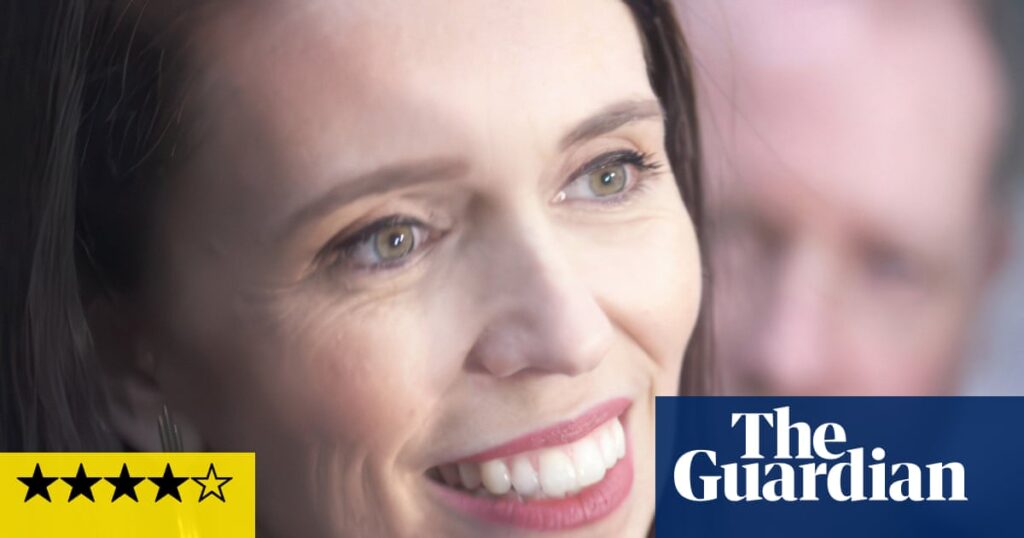
New Zealand’s former Prime Minister Jacinda Ardern is portrayed as a truly human leader in a new documentary, reflecting the same authenticity she exhibited during her tenure from 2017 to 2023. Unlike many politicians who often appear detached, Ardern is shown as a relatable figure who ascended to power rapidly, without the typical hardened exterior of seasoned politicians. Her vulnerability and genuine nature set her apart in a world where such traits are rare.
The documentary, while sympathetic, strategically highlights Ardern’s humanity, occasionally glossing over the gritty realities of political life. A notable moment occurs when her partner, Clarke Gayford, questions if she might be overextending herself. Her quick retort about delegation offers a glimpse into the assertiveness necessary for political success. This scene subtly highlights the pressures faced by leaders and the personal dynamics behind the public facade.
Challenges and Triumphs in Leadership
Throughout her career, Ardern faced significant challenges, including gender-based criticism reminiscent of Australia’s former Prime Minister Julia Gillard. Despite this, she maintained her composure and remained largely unchanged. The film provides intimate insights into her journey, from leading the New Zealand Labour Party in 2017 to becoming the world’s youngest female elected leader. Her tenure was marked by significant events, including the Christchurch mosque shootings, where her compassionate response and subsequent ban on assault rifles garnered international acclaim.
“She spent her political capital shrewdly at that moment by banning assault rifles. The world loved her for it.”
Ardern’s handling of the COVID-19 pandemic initially appeared fortuitous, as New Zealand seemed to evade the worst of the outbreak. However, as new waves emerged, her approval ratings dipped, and she faced opposition from a vocal far-right anti-vaccine movement. The documentary captures the vitriol she faced, highlighting the challenges of being a female leader in a polarized political climate.
Reflecting on Ardern’s Legacy
Ardern’s leadership style, characterized by empathy and directness, raises questions about the place for such leaders in contemporary politics. Her approach contrasts sharply with the often combative and impersonal nature of modern political discourse. Experts suggest that her success was not only due to her political acumen but also her ability to connect with the public on a personal level.
“The sad thing is that there doesn’t appear to be much space for someone like Ardern in modern politics; less space than ever in fact.”
Her tenure offers a case study in balancing personal authenticity with the demands of political office. As political analyst Dr. Emily Roberts notes, “Ardern’s ability to maintain her identity while navigating the complexities of leadership is both her greatest strength and the source of her challenges.”
Looking Ahead: The Future of Authentic Leadership
The documentary prompts a broader discussion about the future of leadership in politics. As the political landscape becomes increasingly polarized, the demand for leaders who can bridge divides and resonate on a personal level grows. Ardern’s legacy may inspire a new generation of politicians who prioritize empathy and authenticity over traditional political posturing.
In conclusion, Jacinda Ardern’s portrayal in the documentary serves as a reminder of the power of genuine leadership. Her story underscores the potential impact of leaders who prioritize humanity and connection, even in the face of adversity. As the documentary reaches audiences worldwide, it may spark a reevaluation of what qualities are most valuable in those who seek to lead.