

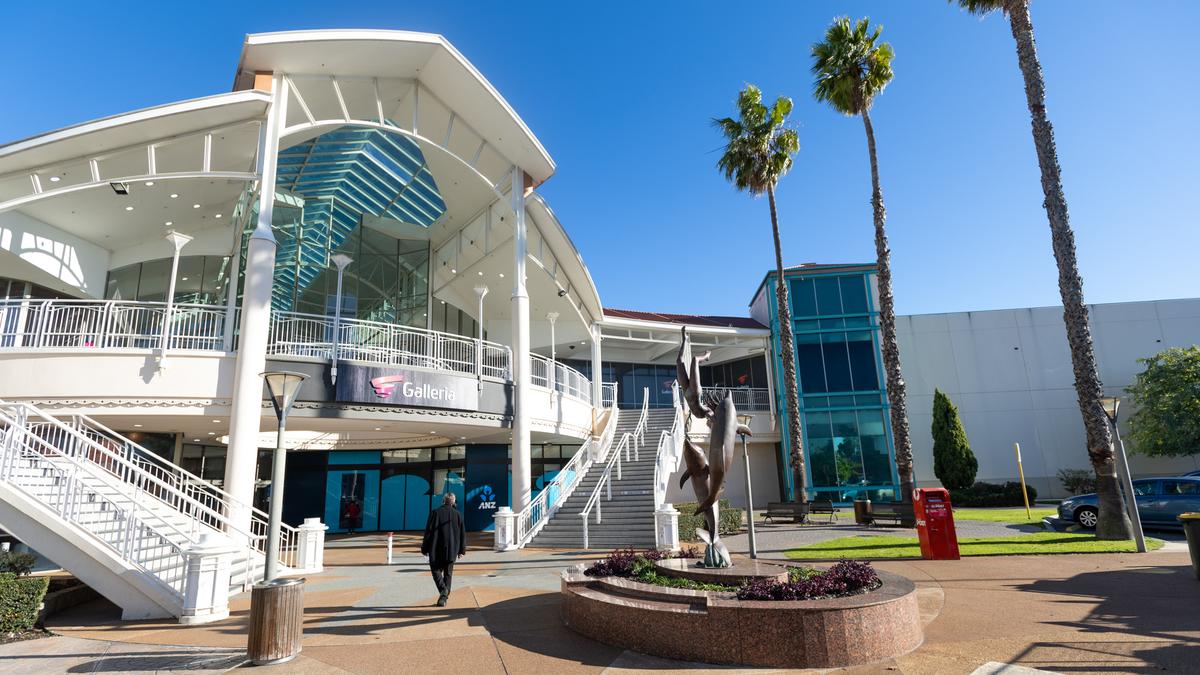

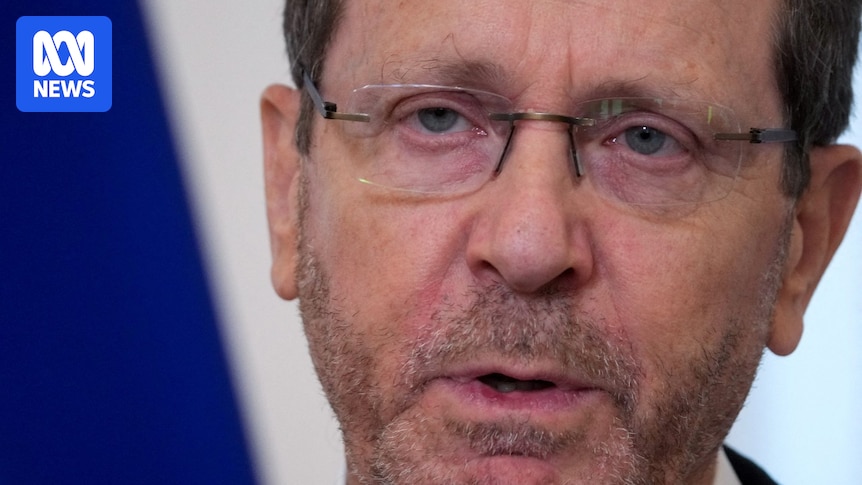
When Israeli President Isaac Herzog arrives in Australia this weekend, he can expect a warm official welcome. As an invited guest of the Australian government, every courtesy will be extended to Israel’s head of state, including the customary red carpet treatment. This visit is seen as a gesture of solidarity, particularly in the wake of the Bondi Beach terrorist attack, which has deeply affected Australia’s Jewish community.
However, Herzog’s visit is not without controversy. Protests and calls for his arrest over alleged incitement of genocide in Gaza have been growing. Herzog, who emerged from the center-left of Israeli politics and once advocated for a two-state solution, now finds himself in an unexpected position amid these allegations, which he denies.
Political Shifts and Controversies
Isaac Herzog, son of former Israeli President Chaim Herzog, was once the leader of Israel’s Labour Party and attempted to unseat Prime Minister Benjamin Netanyahu in 2015. Since his election as president by the Knesset in 2021, Herzog’s political alignment appears to have shifted closer to Netanyahu. He is currently considering a pre-emptive pardon for the prime minister over longstanding corruption charges.
Former Israeli diplomat Alon Liel, a friend from Herzog’s Labour Party days, expressed disappointment over Herzog’s ideological shift. “Today’s behavior as president doesn’t resemble his political career,” Liel told the ABC. “He’s acting now as the president of everybody. And as you know, the right wing is in power, and this war was done under a right-wing government, including extreme right elements. He sees this as Israel.”
The Weight of Words
The role of the Israeli president is largely ceremonial, with limited influence over government policy. However, Herzog’s recent comments following the October 7 terrorist attack have sparked controversy. His remarks have been cited by South Africa in its genocide case against Israel at the International Court of Justice, although Israel denies the genocide accusation.
“It’s an entire nation out there that is responsible. It is not true, this rhetoric about civilians who were not aware or not involved. It is absolutely not true,” Herzog said about Gazans.
A UN special commission of inquiry found that while Herzog’s comments did not “expressly call for the genocide of Palestinians in Gaza,” they “may reasonably be interpreted as incitement” due to Israel’s military operations in the enclave. Herzog maintains that his words were taken out of context and emphasizes his condemnation of violence against innocent civilians.
Legal Immunities and Diplomatic Protocols
Despite calls for Herzog’s arrest by some Australian groups, including the Greens, legal experts assert that such an arrest is unlikely. Don Rothwell, a professor of international law at the Australian National University, explained that while Australia could theoretically prosecute Herzog for incitement to genocide under the Commonwealth Criminal Code, the prosecution would likely fail due to his head of state immunity.
“There’s nothing barring a prosecution,” Rothwell said. “But as soon as prosecution commenced, lawyers for someone like Isaac Herzog would claim before a court that … as sitting head of state, he enjoys what’s called head of state immunity.”
The Australian Federal Police confirmed to parliament that there is no active investigation into Herzog and that he enjoys “full immunity” as head of state.
Reactions and Diplomatic Implications
Herzog’s visit has begun to attract attention in Israeli media, particularly due to opposition from the left-wing Jewish Council of Australia (JCA). The JCA has vocally opposed the visit, prompting reactions from Israeli politicians. Opposition leader Yair Lapid labeled the JCA as “extremists” and criticized their stance on social media.
“I know you think that if you just keep being servile lackeys of Hamas and the murderousness of radical Islam, people will forget that you’re Jews — but it won’t help you,” Lapid posted.
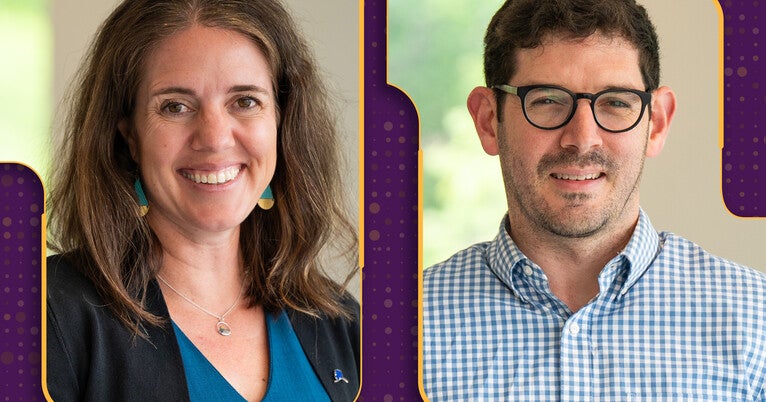
JCA executive officer Sarah Schwartz expressed the community’s grief over the Bondi attack but noted that the Jewish community is not uniformly supportive of Israel or Herzog. Former foreign affairs director-general Alon Liel suggested that Herzog might be pressured to criticize Australia’s recognition of a Palestinian state, a stance expected by Netanyahu.
As Herzog prepares for his visit, the diplomatic tensions and legal discussions surrounding his trip highlight the complex interplay between international law, political alliances, and the ongoing Israeli-Palestinian conflict. The outcomes of this visit may influence future diplomatic relations between Israel and Australia.