



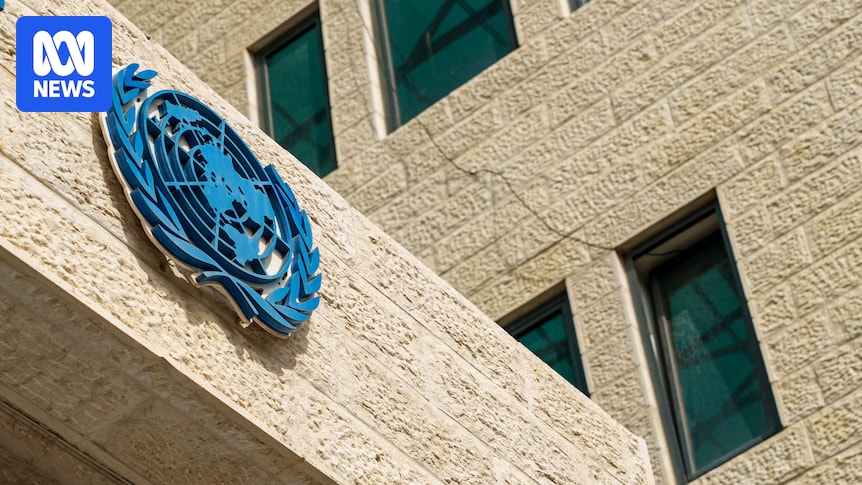
Israeli authorities have commenced the demolition of the former headquarters of the United Nations Relief and Works Agency for Palestinian Refugees in the Near East (UNRWA) in occupied East Jerusalem. This action, taken on Tuesday morning, has been condemned by the United Nations as a “serious violation of international law.”
The site, which UNRWA occupied for decades, was vacated by international staff in early 2025 following a legislative ban on the agency’s operations in Israel, leading to the revocation of their visas. On the morning of the demolition, Israeli security forces arrived with heavy machinery, forcing security personnel to vacate the premises before bulldozers began tearing down the buildings.
Background and Legislative Context
The legislative ban, passed by the Knesset in 2024, prohibits UNRWA’s operations within Israel, complicating the agency’s work in Gaza and the West Bank due to Israel’s control over entry and exit points. UNRWA has been a critical provider of educational and health services to Palestinians in these regions, including East Jerusalem.
Israel’s government has long criticized UNRWA, alleging infiltration by Hamas and involvement in attacks against Israel, particularly citing the October 7 incident. Although a UN investigation resulted in the dismissal of nine staff members, the UN maintains that accusations against the agency as a whole are baseless.
Reactions and International Implications
UNRWA spokesperson Jonathan Fowler expressed grave concerns over the demolition, emphasizing the inviolability of UN premises. “Like all UN member states, Israel is obliged to protect and respect the inviolability of UN premises — no exceptions,” he stated.
Conversely, Israel’s Foreign Ministry spokesperson, Oren Marmorstein, defended the demolition, asserting Israel’s ownership of the compound and compliance with both Israeli and international law. “Even prior to the passage of legislation in January 2025, UNRWA-Hamas had already ceased its operations at this site and no longer had any UN personnel or UN activity there,” he remarked.
“UNRWA-Hamas employees participated in the October seventh massacre and the kidnapping of Israelis,” Marmorstein added. “Numerous employees within the organisation are Hamas and Palestinian Islamic Jihad terrorists, and the organisation’s infrastructure has been used for tunnel construction, rocket fire, and terrorist activities.”
Historical Parallels and Future Outlook
This development mirrors previous tensions between Israel and international bodies over jurisdiction and operational mandates in disputed territories. Historically, actions perceived as undermining international law have led to diplomatic strains and calls for intervention by global entities.
The demolition of the UNRWA compound may further exacerbate tensions between Israel and the international community, potentially impacting diplomatic relations and humanitarian operations in the region. As the situation unfolds, the international community will likely scrutinize Israel’s adherence to international agreements and the potential humanitarian impact on Palestinian populations reliant on UNRWA’s services.
Moving forward, the focus will be on diplomatic dialogues and potential legal challenges to address the implications of this demolition. The broader geopolitical landscape will also play a crucial role in shaping the outcomes of this contentious issue.