

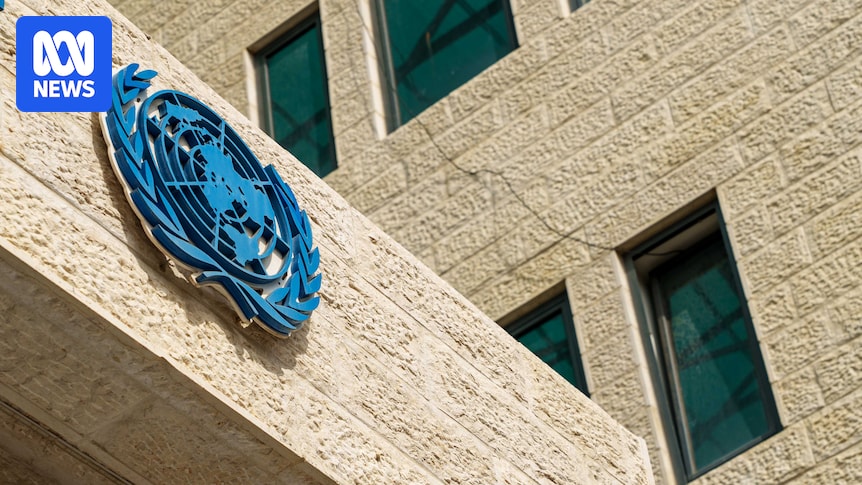
Israeli authorities have commenced the demolition of the former headquarters of the United Nations Relief and Works Agency for Palestinian Refugees in the Near East (UNRWA) in occupied East Jerusalem. This move, executed on Tuesday morning local time, has been labeled by the UN as a “serious violation of international law.”
The compound, occupied by UNRWA for decades, was vacated by international staff in early 2025 following a legislative ban on the agency’s operations in Israel. This ban led to the revocation of their visas. Israeli security forces, accompanied by demolition equipment, arrived at the site, compelling security guards to vacate before bulldozers began dismantling the buildings.
Historical Context and Legislative Actions
The demolition follows years of Israeli government criticism of UNRWA, accusing it of infiltration by Hamas, particularly in Gaza. The Israeli government has alleged that some UNRWA staff were involved in the attacks against Israel on October 7. A UN investigation resulted in the dismissal of nine staff members potentially involved, though the agency has consistently denied these broader allegations.
In 2024, the Knesset passed legislation prohibiting UNRWA’s operations within Israel, complicating the agency’s activities in Gaza and the West Bank due to Israel’s control over entry and exit points. This legislation has significantly impacted UNRWA’s ability to provide essential services, such as education and healthcare, to the Palestinian population in these regions.
Reactions from UNRWA and Israeli Officials
UNRWA spokesperson Jonathan Fowler expressed grave concerns over the demolition, stating, “This is a huge source of concern because this should be a wake-up call.” He emphasized Israel’s obligation to protect UN premises under international law, a stance echoed by many international observers.
Conversely, a spokesperson for Israel’s Foreign Ministry, Oren Marmorstein, refuted UNRWA’s claims, asserting that the compound is owned by the state of Israel and that no UN personnel or activities had been present there since before the 2025 legislation. He stated,
“The compound does not enjoy any immunity and the seizure of this compound by Israeli authorities was carried out in accordance with both Israeli and international law.”
Implications and Future Outlook
The demolition of the UNRWA compound is part of a broader implementation of the ban on the agency, which Israeli officials argue is justified by alleged connections to Hamas and other militant groups. Marmorstein further claimed that UNRWA employees were involved in the October 7 attacks and that the organization’s infrastructure has been used for hostile activities.
The international community remains divided over the issue, with many countries and organizations urging Israel to reconsider its stance on UNRWA. The agency plays a crucial role in providing essential services to Palestinian refugees, and its restriction could exacerbate humanitarian challenges in the region.
As tensions continue to rise, the future of UNRWA’s operations in the region remains uncertain. The international community will likely continue to monitor the situation closely, advocating for a resolution that respects both Israeli security concerns and the humanitarian needs of the Palestinian population.