


In a significant geopolitical development, Iran’s newly appointed Supreme Leader, Mojtaba Khamenei, has issued his first statement, pledging to keep the Strait of Hormuz closed. This strategic move could potentially drive global oil prices to unprecedented levels. The statement, delivered via state television, marks Khamenei’s debut in international diplomacy following his selection by a clerical assembly.
The announcement comes amidst escalating tensions in the Middle East, with the United States and Israel intensifying their military operations against Iran. Khamenei, who has not been seen publicly since his appointment, is reportedly “damaged” but operational, according to US President Donald Trump. This assertion aligns with reports from Iranian officials who confirmed Khamenei’s injuries sustained during recent conflicts.
Defection of Iranian Diplomat in Australia
Adding to the diplomatic turmoil, it has been revealed that Mohammad Pournajaf, Iran’s second most senior diplomat in Australia, defected from the regime and sought asylum in Australia three years ago. This defection, kept secret until now, highlights the internal dissent within Iran’s ranks. The London-based Iran International news service reported Pournajaf’s asylum request, underscoring the ongoing challenges faced by the Iranian government.
This development follows the dramatic escape of several members of the Iranian women’s football team, further illustrating the regime’s internal instability. The defection of such a high-ranking diplomat is a rare occurrence and signals potential fractures within Iran’s diplomatic corps.
Military Escalations and Regional Impact
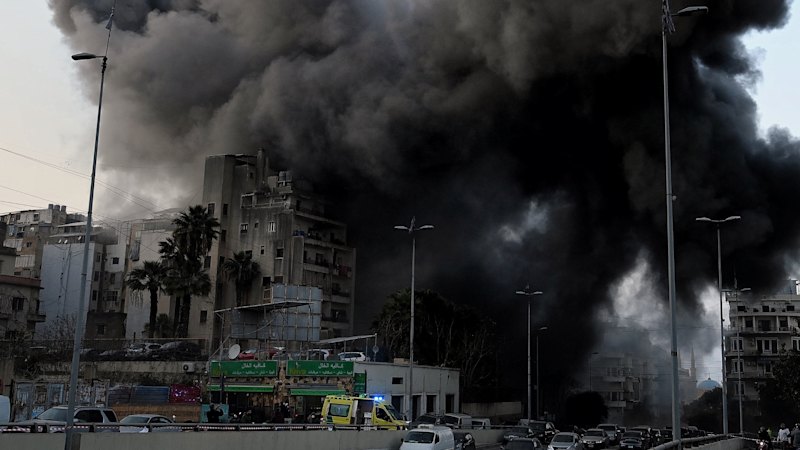
Meanwhile, the region continues to witness intense military activity. A missile attack by Hezbollah on the Israeli city of Zarzir injured 58 people, primarily due to shattered glass. In retaliation, Israel launched strikes in Beirut, resulting in casualties and significant property damage. The conflict has also seen Saudi Arabia intercepting multiple drones, while the UAE reported damage from missile debris in Dubai.
The Islamic Revolutionary Guards Corps (IRGC) announced its latest wave of attacks against Israeli and US forces, further escalating the situation. These developments have contributed to a volatile security environment, with potential implications for global energy markets.
Economic Repercussions
The ongoing conflict has already begun to affect global oil prices, with Australia experiencing a nearly 20% increase in petrol prices over the past month. Energy Minister Chris Bowen announced the release of significant fuel reserves to mitigate regional shortages. This price surge is mirrored across Asia, with countries like Cambodia and Vietnam seeing dramatic increases in fuel costs.
GlobalPetrolPrices.com reports a 67% increase in Cambodia’s Octane95 prices over two weeks, highlighting the broader economic impact of the conflict.
International Reactions and Diplomatic Maneuvers
In response to the escalating violence, Qatar has condemned Israel’s military actions in Lebanon, calling for international intervention to halt the attacks. The conflict has resulted in over 600 Lebanese casualties and the displacement of 800,000 people, according to Qatar’s Ministry of Foreign Affairs.
Amid these tensions, the UK has suggested that Russia may be influencing Iran’s military tactics, drawing parallels to Russian strategies in Ukraine. This assertion underscores the complex geopolitical alliances at play, with Russia and Iran deepening their military cooperation in recent years.
Potential for Ceasefire
Despite the ongoing hostilities, there are reports of back-channel communications aimed at negotiating a ceasefire. Iran has indicated that it would consider halting its military activities if the US and Israel pledge not to launch future strikes. However, it remains unclear whether such assurances are forthcoming, as diplomatic efforts continue behind the scenes.
As the situation unfolds, the international community remains on high alert, with the potential for further escalations impacting global stability and economic conditions.
The unfolding events in the Middle East serve as a stark reminder of the region’s volatility and the far-reaching implications of geopolitical conflicts. As Iran’s new leadership asserts its position, the world watches closely, anticipating the next moves in this high-stakes geopolitical chess game.