

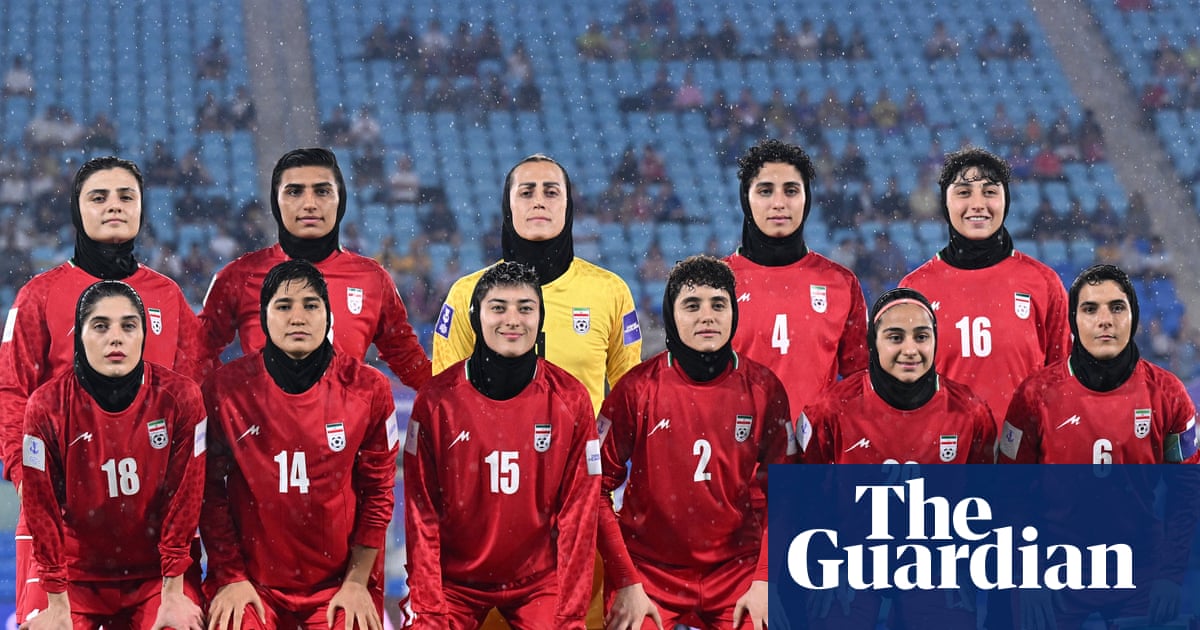

Three more members of the Iranian women’s football squad have returned to Iran after being granted asylum in Australia, leaving behind teammates who have chosen to stay. This decision was confirmed by Australia’s Home Affairs Minister, Tony Burke, on Sunday morning. The trio’s departure means only three out of the seven squad members who sought asylum will remain in Australia.
The team’s situation gained international attention after they were labeled “wartime traitors” for refusing to sing the national anthem before a match at the Women’s Asian Cup. The incident drew global scrutiny, including calls for support from former US President Donald Trump, amid escalating tensions in the Middle East.
Complex Decisions Amid Political Tensions
Minister Burke emphasized the challenging context in which these decisions were made. “After telling Australian officials they had made this decision, the players were given repeated chances to talk about their options,” Burke stated. “While the Australian government can ensure that opportunities are provided and communicated, we cannot remove the context in which the players are making these incredibly difficult decisions.”
Burke assured that the Australian government had done everything possible to offer the women a chance for a safe future in Australia. However, the decision to return highlights the complex personal and political pressures faced by the players.
Protests and Tense Departures
On Monday, the scene at the team hotel on the Gold Coast in Queensland was tense, as anti-Iranian regime protesters gathered while the players prepared to leave for the airport. The Royal Pines hotel lobby witnessed chaotic scenes as government minders searched for the women seeking protection in Australia.
One player reversed her decision to seek asylum, contacting Iranian embassy officials. Others traveled with team officials to Malaysia and are believed to be awaiting their return to Iran from Kuala Lumpur.
“Australians should be proud that it was in our country that these women experienced a nation presenting them with genuine choices,” Burke said, acknowledging the role Australia played in offering asylum options.
New Laws Amid Middle East Conflict
Simultaneously, the Australian government has enacted new laws to prevent certain temporary visa holders from seeking permanent residency in light of the Middle East conflict. These laws aim to stop Iranian tourists from traveling to Australia if their visa was issued before the US and Israel’s military actions against Tehran, particularly if there is a concern they might overstay or apply for protection.
The federal government has expressed strong support for the US and Israeli-led operations in Iran and is providing military assistance to the United Arab Emirates to counter retaliatory strikes from Tehran.
Historical Context and Future Implications
The plight of the Iranian women’s football team is not an isolated incident but part of a broader historical context of athletes using their platform to protest against oppressive regimes. This situation echoes past instances where sports figures have faced repercussions for political stances, such as the famous Black Power salute at the 1968 Olympics.
Looking forward, the decisions made by these athletes could influence future asylum policies and international relations. The Australian government’s response to this situation may set a precedent for how similar cases are handled, particularly as geopolitical tensions continue to rise.
As the remaining players navigate their new lives in Australia, the international community watches closely, aware that their choices may inspire others facing similar dilemmas.