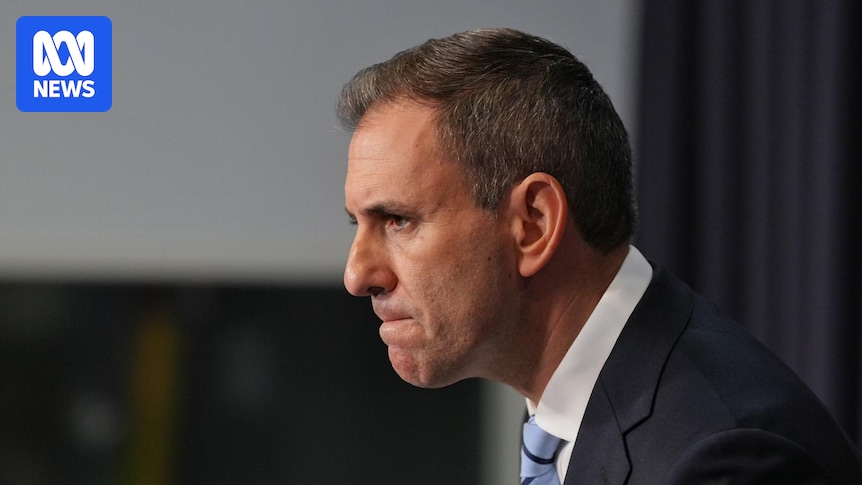




With a swift stroke of the pen, life changed dramatically for several players from Iran’s women’s soccer team. In a decisive move, Home Affairs Minister Tony Burke granted asylum to these athletes, who feared returning to their homeland amidst a media and diplomatic storm. Already vetted by Australia’s domestic spy agency, ASIO, the players were offered protection, humanitarian visas, and a pathway to permanent residency. The moment was captured by photographers, highlighting a celebrated ministerial intervention across Australia.
However, this swift action stands in stark contrast to the experiences of many other refugees entangled in a system notorious for its slow pace and lack of political involvement. While the soccer players’ asylum was celebrated, it was bittersweet for others who share the same plight but remain unseen by the public eye. The disparity in treatment has sparked a broader conversation about the fairness and consistency of Australia’s asylum policies.
The Broader Refugee Experience in Australia
For refugees like Narges, a 27-year-old Iranian living in Melbourne, the swift granting of asylum to the soccer players is a bittersweet reminder of her own uncertain status. Narges and her family fled Iran in 2013, seeking safety from the regime. After a perilous journey by boat to Christmas Island and a subsequent transfer to Nauru, they have lived in Australia on six-monthly bridging visas. Despite being recognized as genuine refugees, their future in Australia remains uncertain due to policies that prohibit permanent settlement for those who arrived by sea after 2013.
As war continues in Iran, thousands of Iranians and Kurds in Australia await decisions on their protection claims. While processing times have improved under the Labor government, the wait remains excruciatingly long for many. The system’s complexity and perceived cruelty are often highlighted by refugees and their advocates.
Voices of the Refugees
Mahsa Mazaheri, another Iranian refugee, expresses mixed emotions about the asylum granted to the soccer players. Having fled Iran with her mother in 2013, Mazaheri understands the risks of returning home. Yet, she feels the discrimination in the Australian government’s approach to asylum seekers. The uncertainty of her legal status makes everyday life challenging, from planning for the future to feeling secure in her new home.
Fatemeh Lahmidi, who fled Iran over 13 years ago, echoes these sentiments. As an aged care worker, she contributes significantly to a sector in need of dedicated staff. Yet, her family’s future remains in limbo. Lahmidi’s story highlights the emotional toll of leaving one’s homeland and the ongoing struggle to build a new life in Australia.
Ministerial Powers and Their Impact
The intervention by Minister Burke underscores the significant power held by Australia’s immigration minister. Abul Rizvi, a former deputy secretary of the Department of Immigration, describes these powers as “God-like,” often exceeding those of the prime minister. This power can change lives instantly, as seen with the soccer players, but it also raises questions about consistency and fairness in its application.
Reverend Meredith Williams, a Uniting Church minister, has been assisting an asylum seeker who fled Iran after severe punishment. She points out the disparity in treatment, noting that the government can act swiftly when politically favorable, yet many deserving cases remain unresolved.
The Human Cost of Policy
For many refugees, bridging visas offer temporary relief but come with significant challenges. Restrictions on work and study, coupled with the constant need to reapply, create an environment of uncertainty and frustration. Narges, for example, dreams of becoming a dentist but is barred from pursuing higher education due to her visa status.
Employers like George Malliaros, who see potential in refugees like Narges, are also constrained by these policies. The inability to offer training and career advancement limits both the individual and the broader community.
The Path Forward
As Australia grapples with its asylum policies, the stories of refugees like Narges, Mazaheri, and Lahmidi highlight the need for a more compassionate and consistent approach. The recent asylum granted to the Iranian soccer players serves as a reminder of what is possible when political will aligns with humanitarian needs.
Farhad Bandesh, a Kurdish refugee who spent years on Manus Island, offers a poignant plea for change. He emphasizes the importance of recognizing refugees as integral members of the community, deserving of the same opportunities and security as any other Australian resident.
The Australian government faces a critical juncture in its handling of asylum seekers. As new laws potentially restrict the entry of Iranians with temporary visas, the need for a coherent and humane policy becomes ever more pressing. The stories of those who have risked everything for a chance at a better life serve as a powerful call to action for policymakers and the public alike.