



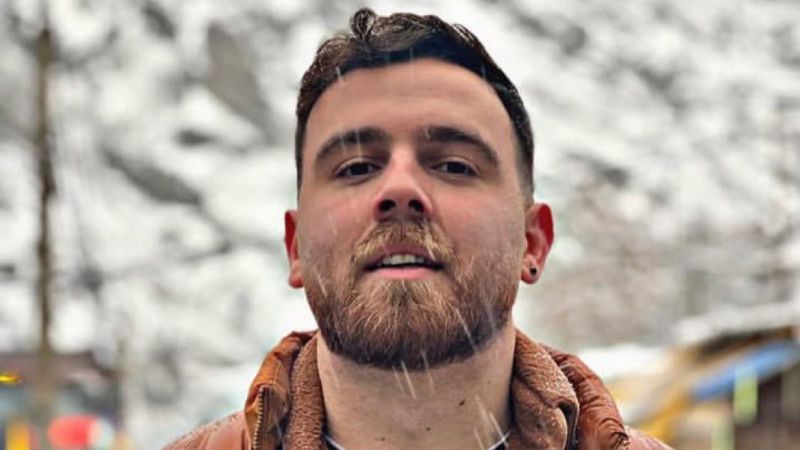
An Iranian man, Erfan Soltani, who was detained in connection with anti-government protests and reportedly sentenced to death, has been released on bail, according to a rights group and Iranian state media. Soltani, 26, was arrested last month as demonstrations swept across the country, prompting a harsh crackdown by authorities.
Soltani was taken into custody on January 10 at his home in Fardis, a city approximately 25 miles west of Tehran. He faced charges of “assembly and collusion against the country’s internal security” and “propaganda activities” against the regime, as reported by the state broadcaster IRIB. His arrest and potential execution drew international attention and concern.
International Reactions and Government Assurances
The US State Department and one of Soltani’s relatives initially claimed that Iranian authorities planned to execute him. However, Iran’s judiciary dismissed these reports as “fabricated news,” according to IRIB. Soltani’s family later indicated that his execution had been postponed, and US President Donald Trump stated he had received assurances “on good authority” that there were no plans for executions in Iran amid fears for Soltani’s fate.
President Trump had previously warned Iran against executing protesters, asserting that the US would “take strong action.” On Saturday, Soltani was released on bail, confirmed by Hengaw, a Norway-based human rights organization, and Iranian state media outlet Press TV via a Telegram post.
The Broader Context of Iranian Protests
Soltani’s case became one of the most high-profile internationally during the massive anti-government protests that convulsed Iran last month. The protests were met with a brutal crackdown by Iran’s security forces, including a nationwide internet shutdown. According to Hengaw and one of his relatives, Soltani was in good physical health and had been able to meet with his family as of January 19.
In an interview with CNN last month, Soltani’s relative, Somayeh, described him as an “incredibly kind and warm-hearted young man” who has “always fought for the freedom of Iran.”
More than 6,400 protesters have been killed and over 1,000 arrested since the protests began, according to reports by the US-based Human Rights Activists News Agency (HRANA). An additional 11,280 deaths are under review. CNN cannot independently verify HRANA’s numbers.
Government Response and International Tensions
Despite the internet shutdown, reports of the crackdown continued to emerge, with witnesses, human rights activists, and medical professionals detailing widespread violence against protesters. Iran’s supreme leader, Ayatollah Ali Khamenei, acknowledged the deaths of thousands of Iranians during the unrest but attributed some of the deaths to Trump, who he claimed “openly encouraged” the protesters by promising them US “military support.”
During the protests, Trump urged Iranians to persist in their demonstrations and “take over” the country’s institutions, assuring them that “help is on its way.” However, no military action was taken during the protests or the subsequent crackdown.
Future Implications and Diplomatic Efforts
In the aftermath, Trump is reportedly considering a major strike on Iran following unsuccessful negotiations regarding the nation’s nuclear program and ballistic missile production. The US has also increased its military presence in the region.
In a recent post on Truth Social, Trump demanded that Iran negotiate “a fair and equitable deal – NO NUCLEAR WEAPONS,” warning that the next US attack on the country “will be far worse” than the previous one against three of Iran’s nuclear sites.
Iran’s Foreign Minister Abbas Araghchi expressed confidence in achieving a deal with the US concerning Tehran’s weapons program. However, Ayatollah Ali Khamenei issued a stark warning, stating that any US-initiated conflict would escalate into a regional war.
“The Americans should know that if they initiate a war, this time it will be a regional war,” Khamenei declared to a crowd at Tehran’s Imam Khomeini mosque.
As diplomatic efforts continue, the international community watches closely, aware that the outcome could significantly impact regional stability and global geopolitics.