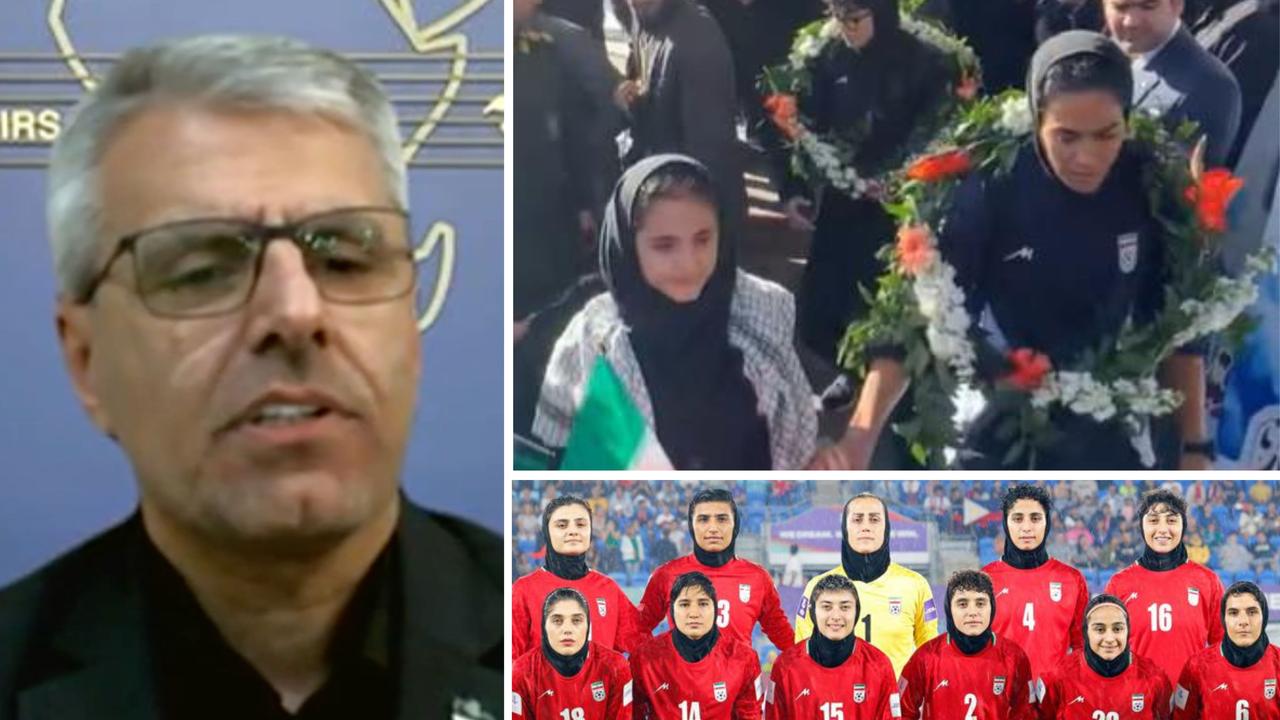
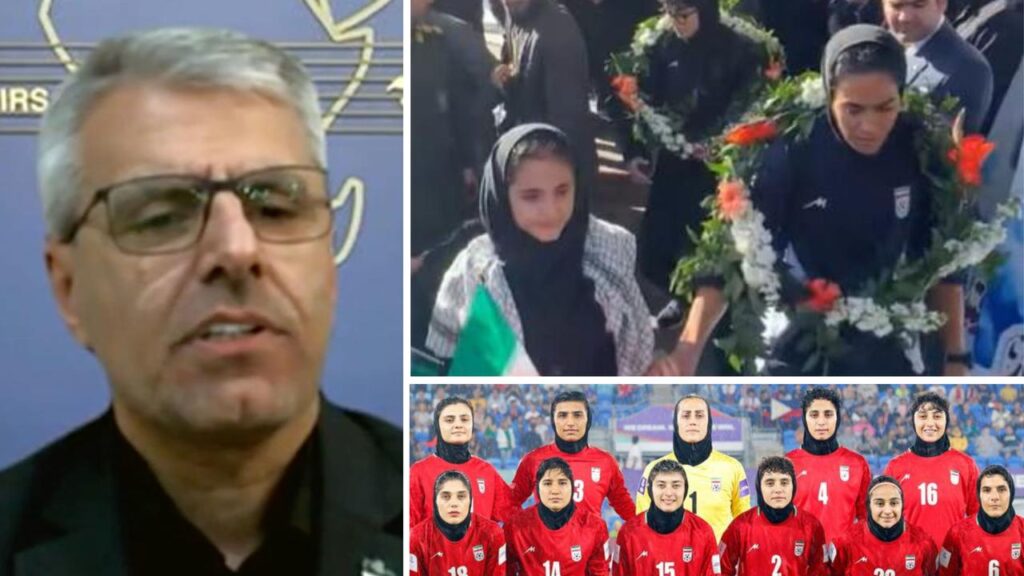
An Iranian official has accused Australia of taking members of the Iranian women’s football team “hostage,” escalating tensions amid a broader geopolitical crisis involving the United States and Israel. The accusation centers on six players and one support staffer who recently sought asylum in Australia. According to Iran’s Ministry of Foreign Affairs, these individuals were “forced” to stay in Australia, although all but two have since returned to Iran.
The claim comes at a time of heightened conflict involving the US and Israel against Iran. In an unprecedented move, US President Donald Trump publicly criticized Israel for a covert attack on Iran’s energy infrastructure, stating that Washington was unaware of the operation. This marks the first significant rift between the two allies since the conflict began three weeks ago.
US-Israel Tensions Over Secret Attack
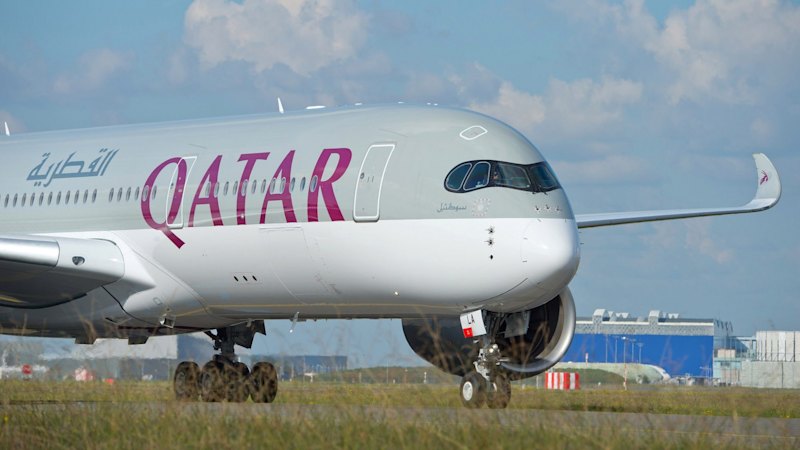
President Trump’s rebuke of Israel followed a series of retaliatory strikes by Iran on Qatari energy facilities, which caused crude oil prices to surge by five percent on Thursday. The attacks targeted Qatar’s Ras Laffan LNG facility, raising fears about global energy supply disruptions.
Trump’s comments on Truth Social revealed that the US had been blindsided by Israel’s initial strike on the South Pars gas field, part of the world’s largest natural gas reservoir. “Washington knew nothing” of the Israeli attack, Trump declared, emphasizing that “NO MORE ATTACKS WILL BE MADE BY ISRAEL” on the Iranian site.
“Washington knew nothing of the Israeli attack,” Trump declared on Truth Social, vowing “NO MORE ATTACKS WILL BE MADE BY ISRAEL” on the Iranian site.
Potential Consequences and Global Impact
The ultimatum from Trump signifies a potential shift in the US-Israel relationship, with the US demanding that Israel cease its attacks if Iran halts its retaliatory actions in the Gulf. Failure to comply, Trump warned, could lead to the US “massively blowing up” the South Pars field.
Tehran has already launched several revenge attacks across Gulf energy sites following Israel’s initial strike, further complicating the situation. The conflict has had a significant impact on global energy markets, with rising oil prices affecting economies worldwide.
Domestic Implications in the US
Domestically, the conflict has also had repercussions in the United States. US Vice President JD Vance acknowledged the challenges posed by rising petrol prices, admitting that Americans are “hurting” at the pump. This admission contrasts with President Trump’s efforts to downplay the economic concerns, highlighting a potential disconnect within the administration.
US Vice President JD Vance admitted the US “has a problem” with petrol prices and Americans were “hurting” at the pump.
Historical Context and Expert Opinions
This development follows a long history of complex relations between the US, Israel, and Iran. Experts suggest that the current tensions could lead to a significant realignment of alliances in the region. Dr. Sarah Ahmed, a Middle East policy analyst, noted that “the US’s public rebuke of Israel could embolden Iran and alter the dynamics of power in the region.”
Historically, the US and Israel have maintained a strong alliance, particularly in matters concerning Iran. However, this recent discord may signal a shift in US foreign policy, as the Trump administration appears willing to challenge Israel’s actions more openly.
“The US’s public rebuke of Israel could embolden Iran and alter the dynamics of power in the region,” Dr. Sarah Ahmed, Middle East policy analyst.
Looking Ahead
As the situation unfolds, the international community is closely monitoring the developments. The potential for escalation remains high, with significant implications for global energy markets and geopolitical stability. Analysts warn that any further military actions could exacerbate tensions and lead to broader conflict in the Middle East.
For now, all eyes are on the diplomatic efforts to resolve the crisis and the responses from the involved nations. The coming days will be crucial in determining the future course of this conflict and its impact on international relations.