


In a significant escalation of tensions in the Middle East, Iranian Intelligence Minister Esmail Khatib was killed by an Israeli strike in Tehran, as confirmed by Iran’s president. The Israeli military described the operation as a “targeted strike,” further inflaming an already volatile situation.
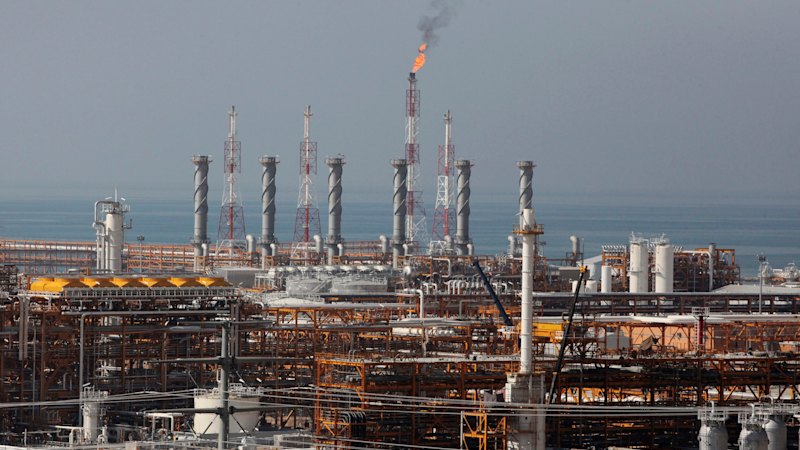
This development comes amidst a backdrop of heightened hostilities, with Iran’s massive offshore South Pars natural gas field recently coming under attack. In retaliation, Iran has issued warnings of potential strikes on oil facilities across Saudi Arabia, the UAE, and Qatar, declaring them “direct and legitimate targets.”
The price of oil has surged by five percent, exceeding $108 per barrel, reflecting the market’s anxiety over the potential impact on global energy supplies. US Director of National Intelligence Tulsi Gabbard has noted that while the Iranian regime remains intact, it is significantly weakened since the conflict began on February 28.
Regional Tensions and Global Implications
The conflict’s ripple effects are being felt worldwide. In Australia, Treasurer Jim Chalmers warned that inflation could spike above five percent if the conflict persists. Prime Minister Anthony Albanese is set to discuss measures to mitigate the impact on fuel supplies at a national cabinet meeting.
Meanwhile, US President Donald Trump faces domestic pressure as petrol prices have soared more than 80 cents a gallon since the conflict’s onset. Despite calls for a pause in hostilities, the Iranian government appears unwilling to negotiate, viewing a ceasefire as a strategic vulnerability.
Escalation in Lebanon
In Lebanon, the conflict has intensified as Israel escalates airstrikes on Beirut, resulting in at least 10 deaths and the destruction of significant infrastructure. Israeli forces have targeted bridges over the Litani River to prevent Hezbollah from mobilizing, further complicating the humanitarian situation.
Dr. Wael Mroueh from Jabal Amel University Hospital in Tyre described the severe injuries sustained by victims, highlighting the conflict’s brutal toll on civilians. The United Nations peacekeeping force has reported increased Israeli military activity within Lebanese territory, raising fears of a broader military operation.
Impact on Global Energy Infrastructure
The conflict’s impact on energy infrastructure is profound. Qatar’s Ras Laffan Industrial City, home to the world’s largest liquefied natural gas export plant, suffered “extensive damage” from an Iranian missile strike. This attack underscores the vulnerability of Gulf energy assets and has led to a surge in oil and gas prices.
With the Strait of Hormuz closed, major Gulf producers are reducing production, and several plants have shut down due to drone attacks. The long-term implications for global energy supply remain uncertain, even as some facilities declare force majeure on deliveries.
Australia’s Response
In response to fuel shortages, Australia is set to release emergency stockpiles of petrol and diesel. Energy Minister Chris Bowen has reached an agreement with fuel companies to address regional shortages, and the government has eased quality standards to increase market supply.
NSW Premier Chris Minns emphasized the need for a national plan to manage the crisis, calling for clear escalation pathways should the conflict persist. The national cabinet meeting aims to develop strategies to shield Australian households from the conflict’s economic impacts.
US Military and Political Reactions
US President Donald Trump recently honored six US service members killed in a plane crash over Iraq, as the US military continues operations against Iran. The crash, which claimed the lives of all crew members, has brought the US death toll in the conflict to at least 13.
Trump’s administration faces mounting challenges as the conflict strains international relations and domestic resources. The Federal Reserve has held interest rates steady, acknowledging the uncertainty posed by the Middle East conflict and its potential to disrupt the US economy.
As the situation unfolds, global leaders and markets remain on edge, navigating the complex web of geopolitical tensions and economic repercussions. The path to resolution appears fraught with challenges, as nations brace for the potential long-term impacts of this escalating conflict.