



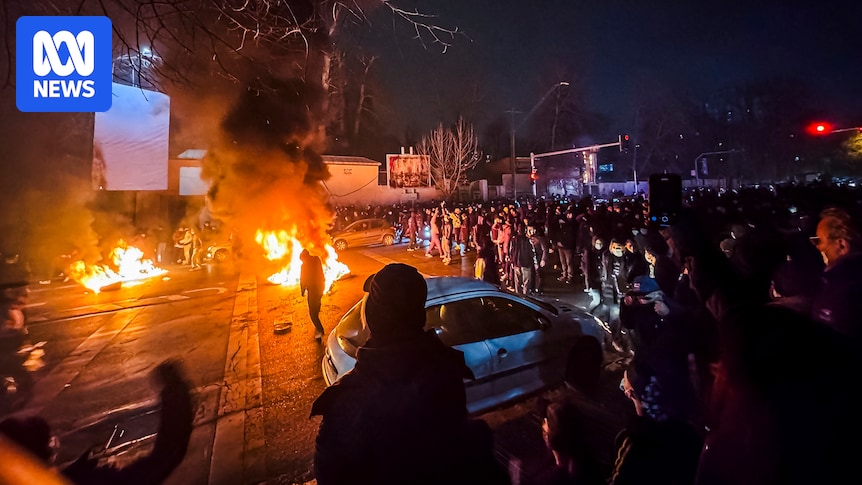
Anti-government chants echoed through the streets of Tehran on Saturday night as protesters mounted the largest movement against Iran’s Islamic republic in over three years. Despite a deadly crackdown and an internet blackout, demonstrators continued to challenge the theocratic regime.
Iranian authorities have hinted at a potential escalation in their response, with the Revolutionary Guards pledging to protect the government. This comes as Supreme Leader Ayatollah Ali Khamenei remains defiant, attributing the unrest to U.S. interference.
The protests, which began on December 28 due to the collapse of the Iranian rial amidst crippling international sanctions, have evolved into a broader call for the ousting of clerical authorities. The unrest marks one of the most significant challenges to Iran’s leadership since the 1979 Islamic revolution.
International Reactions and Escalating Violence
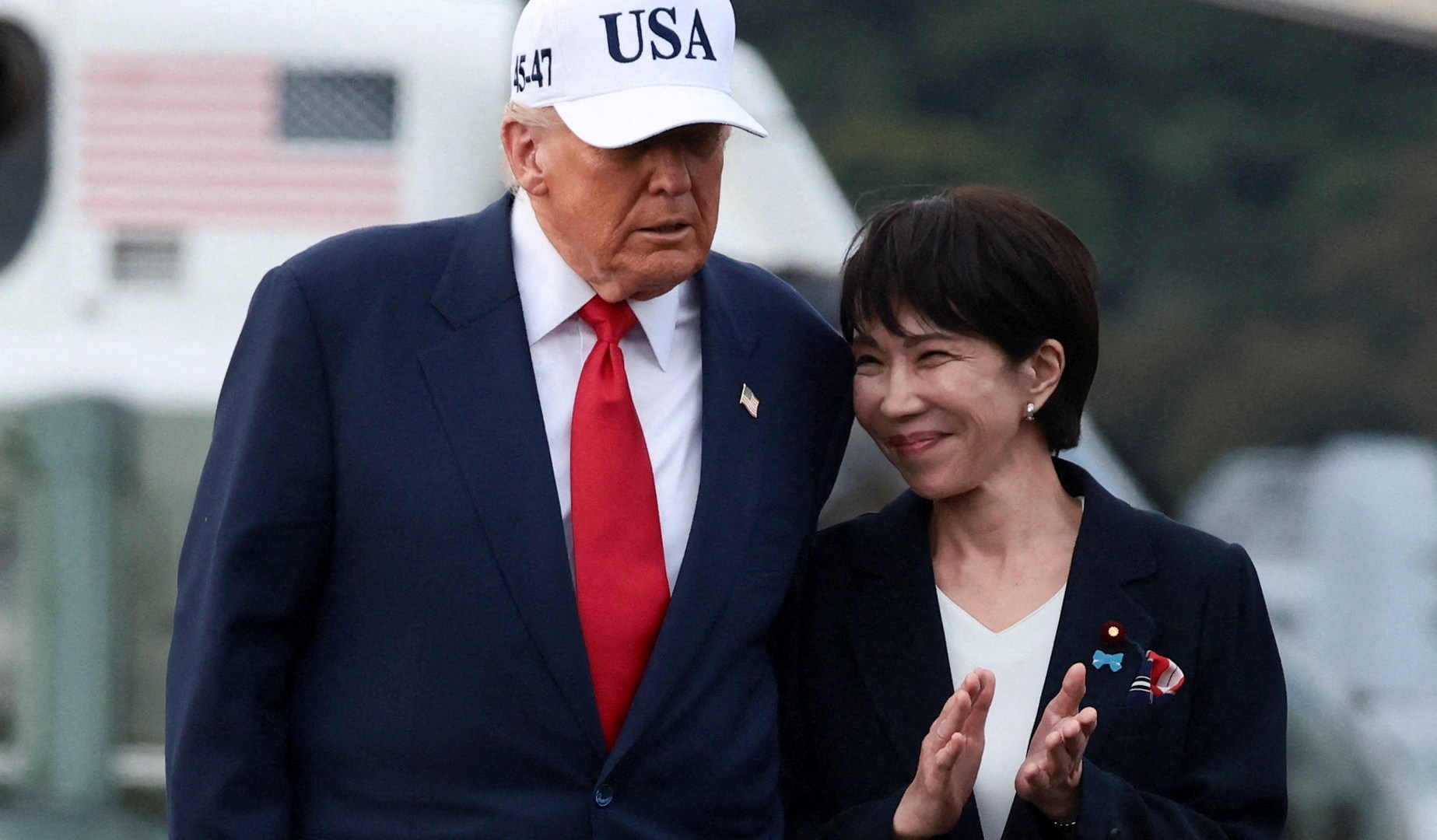
U.S. President Donald Trump expressed his readiness to support the protest movement, following comments warning Iran of potential military action. The demonstrations have been marked by violence, with reports of casualties difficult to verify due to the internet blackout.
Video footage verified by AFP showed crowds in northern Tehran setting off fireworks and chanting slogans in support of the ousted monarchy. Reza Pahlavi, the U.S.-based son of Iran’s deposed shah, has called for more targeted protests, urging citizens to “prepare to seize and hold city centres.”
Iranian authorities initially called for restraint but have since hardened their stance. Rights groups have raised alarms over the increasing use of lethal force against protesters. The U.S.-based Human Rights Activists in Iran reports a death toll of at least 72, with over 2,300 detained.
“Prosecutors must carefully and without delay, by issuing indictments, prepare the grounds for the trial and decisive confrontation with those who, by betraying the nation and creating insecurity, seek foreign domination over the country,” warned Iran’s Attorney-General Mohammad Movahedi Azad.
Historical Context and Government Response
The current wave of protests is reminiscent of previous unrest in Iran, including the 2009 disputed election protests and the 2019 demonstrations over economic hardships. The government’s response has been consistent with past crackdowns, characterized by a heavy-handed approach.
Amnesty International has expressed concern over the “unlawful use of lethal force” by security forces. Images shared by the Norway-based Iran Human Rights group purportedly show bodies of those killed in the protests, further highlighting the severity of the crackdown.
In cities across Iran, including Mashhad, Tabriz, and Qom, large protests have been reported. In Tehran’s Saadatabad district, demonstrators chanted “death to Khamenei,” while in Hamedan, a man waved a shah-era Iranian flag amid the chaos.
Global Implications and Future Prospects
World leaders have called for restraint from Iranian authorities. European Union chief Ursula von der Leyen voiced support for the protests, condemning the “violent repression” of demonstrators.
Amidst the turmoil, airlines have begun suspending flights to Iran. Austrian Airlines and Turkish Airlines have both announced cancellations, citing safety concerns.
The Iranian government has accused protesters of acting as “mercenaries for foreigners,” with Ayatollah Khamenei lashing out at the U.S. for allegedly fueling the unrest. This rhetoric, coupled with the ongoing crackdown, suggests a prolonged period of instability.
As the situation unfolds, it remains uncertain how the Iranian regime will navigate this crisis. The international community continues to watch closely, with potential geopolitical ramifications looming should the unrest persist.