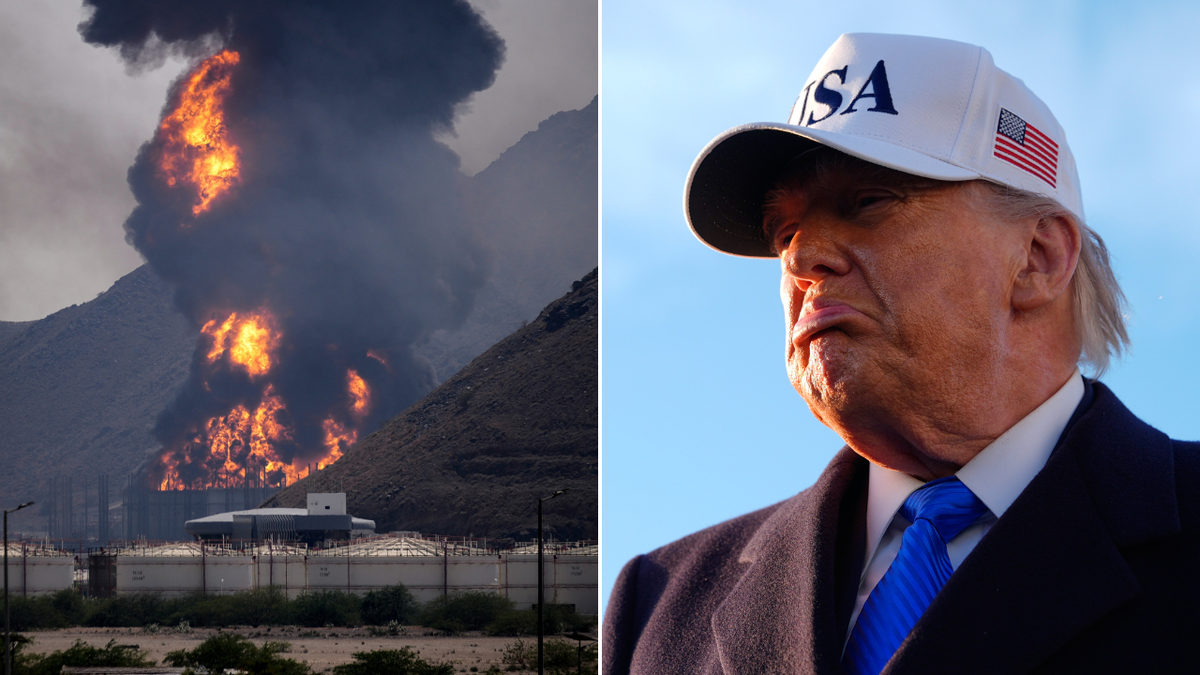

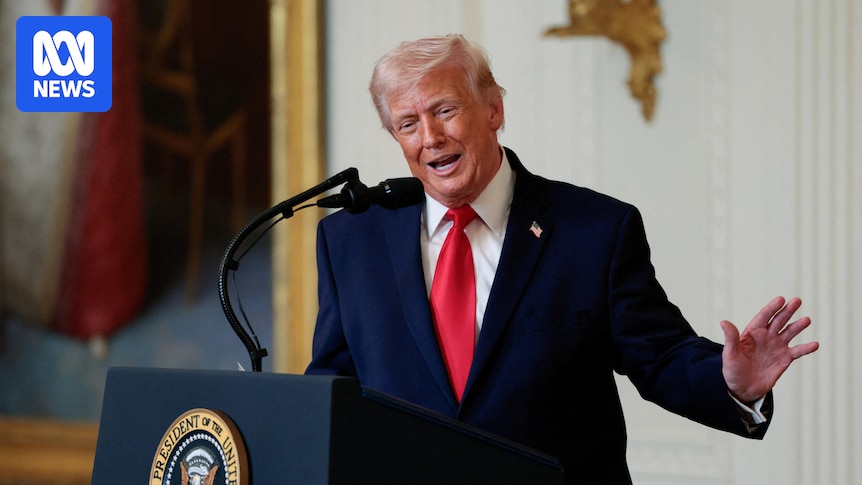
If there ever was a strategic rationale behind former President Donald Trump’s decision to escalate tensions in the Middle East, it appears to be unraveling as the second week of the Iran conflict draws to a close. Analysts now suggest that Iran, not the United States, is setting the terms of engagement, shifting the battle from military might to economic influence and psychological warfare.
This development follows a series of strategic moves by Iran that have shifted the balance of power. Iran has effectively taken control of the global oil market, undermining the United States’ apparent strategy to dominate Venezuelan and Iranian oil resources to gain a competitive edge over China. The tide has turned, analysts say, and Iran now holds the advantage.
Iran’s Strategic Maneuvers
This week, Iran demonstrated its influence over regional economies reliant on oil and gas, forcing them to halt production amid drone and missile threats. Additionally, Iran’s election of a hard-line leader defied Trump’s previous assertions about influencing Iranian leadership.
The Islamic Revolutionary Guard Corps announced that an attack on an Iranian bank gave Iran the prerogative to target U.S. financial interests in the region, sparking a mass evacuation from Dubai’s financial and tech districts. The sense of instability was further heightened by a significant explosion near Dubai’s international financial district, described locally with characteristic understatement as “minor damage.”
“Debris from a successful interception caused minor damage to the facade of a building in the city centre,” reported local sources.
Economic Implications
Gulf states now face an existential threat to their economic models, which rely not only on oil and gas revenues but also on their status as transport hubs and financial centers. The potential loss of these revenue streams poses a significant challenge to their diversification efforts.
Meanwhile, the international community anticipates that President Trump may seek a resolution to the conflict before his scheduled meeting with Chinese leader Xi Jinping on March 31. However, this presumes that Trump retains the ability to influence events, a notion increasingly questioned by analysts.
Energy Market Dynamics
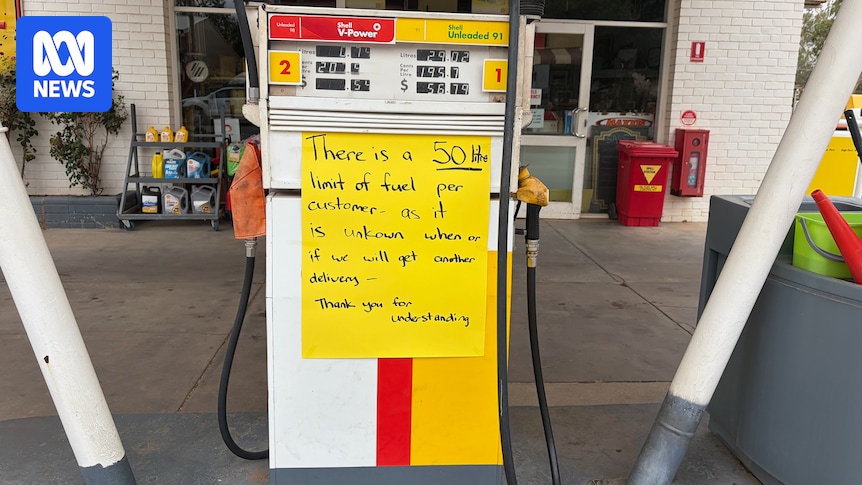
The energy market, a critical component of this geopolitical struggle, remains beyond Trump’s control. Analysts highlight that restarting oil production and distribution is a complex process that could take months. Iran, having gained leverage over the oil market, shows no signs of relinquishing its newfound power.
“Wars are often described as ones of asymmetric power,” analysts note, “and the current conflict illustrates that the balance of power may not be as the U.S. initially perceived.”
The U.S. and its allies underestimated the impact of Iran’s tactics, including the use of drones and the threat to oil infrastructure. Despite claims of neutralizing much of Iran’s missile capacity, the country continues to exert influence through fear and strategic maneuvers.
International Reactions and Future Prospects
Iran’s new Supreme Leader has stated unequivocally that U.S. bases in the region must close or face attacks. This stance complicates the Gulf states’ efforts to remain neutral, as attacks on their hosted bases could alter their relationship with the U.S.
For countries like Australia, which maintains a base in the UAE, the threat of Iranian attacks looms large. Should the U.S. withdraw, there is concern that the region could experience intensified conflict similar to the situation in Gaza.
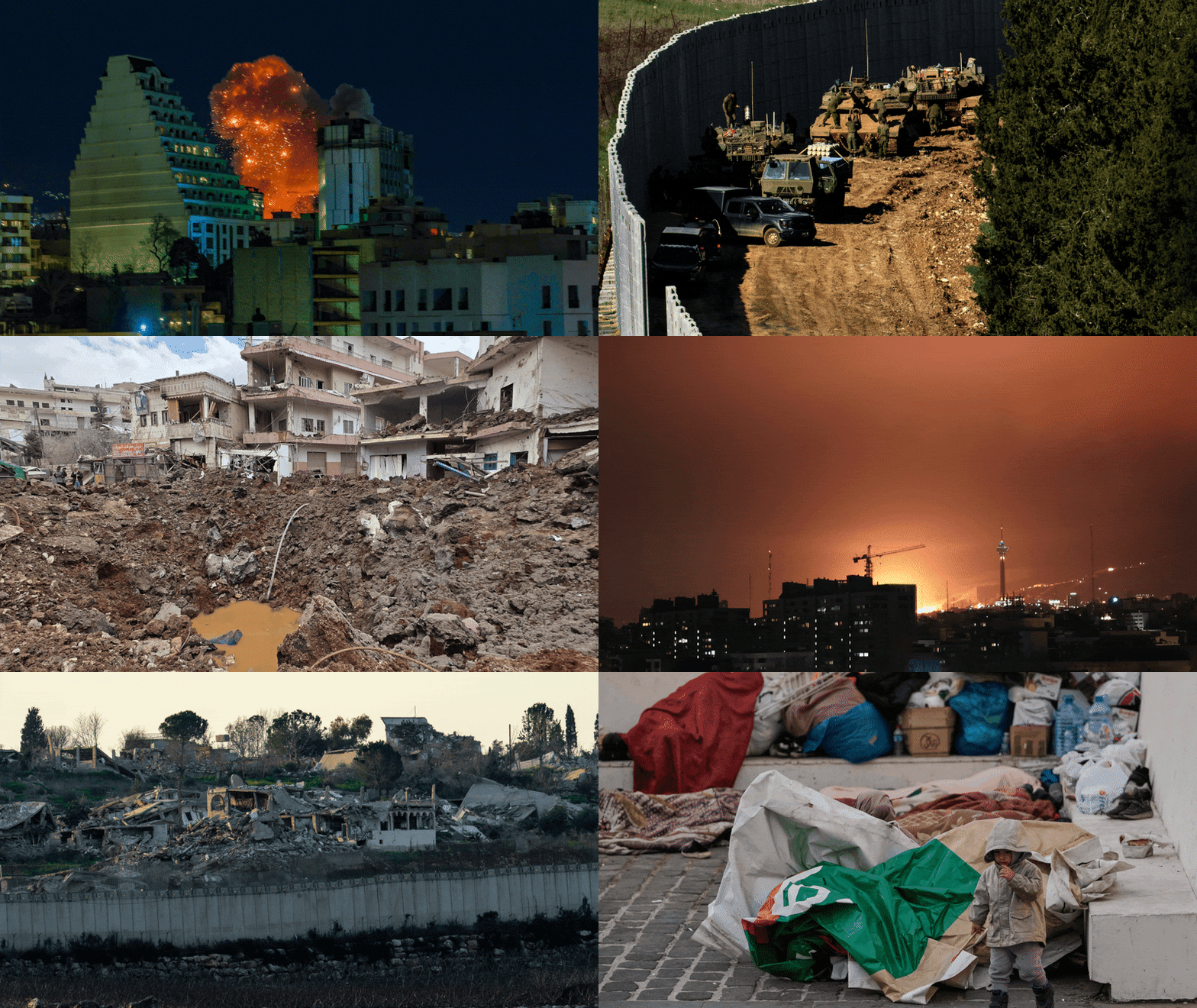
The involvement of Hezbollah, which has launched rockets at Israel in support of Iran, has further escalated tensions, leading to a humanitarian crisis in Lebanon. Israel’s military actions, aimed at countering Hezbollah, have resulted in significant displacement and destruction.
“The war aims of the U.S. and Israel seem more transparently divergent than they have been in the past,” experts observe, pointing to the complexities of the current geopolitical landscape.
Despite mounting international pressure, the key players in this conflict—Trump, Israeli Prime Minister Benjamin Netanyahu, and Iranian leadership—remain steadfast in their positions. The scope for international intervention appears limited, leaving the global community to grapple with the consequences of this ongoing geopolitical struggle.