
In a rapidly intensifying conflict, Iran’s foreign minister has declared “zero restraint” if its oil sites are targeted again by the US or Israel. This stark warning follows recent military actions and political maneuvers that have drawn global attention and concern.
US President Donald Trump announced that Israeli Prime Minister Benjamin Netanyahu has agreed not to target Iranian gas fields a second time. Meanwhile, Trump, in a meeting with Japanese Prime Minister Sanae Takaichi, revealed he did not inform US allies about his strikes on Iran in advance, likening the situation to Pearl Harbor.
Netanyahu has denied reports suggesting that the US was dragged into the Iran conflict by Israel, questioning whether anyone truly believes Trump could be influenced in such a manner. In a dramatic turn of events, a Russian news crew narrowly avoided a strike in southern Lebanon, highlighting the conflict’s reach and danger.
Military and Diplomatic Developments
The US has approved arms sales exceeding $23 billion to the UAE, Kuwait, and Jordan, signaling a significant military bolstering in the region. Additionally, the US Treasury is contemplating lifting sanctions on Iranian oil to stabilize global oil supply amidst soaring prices.
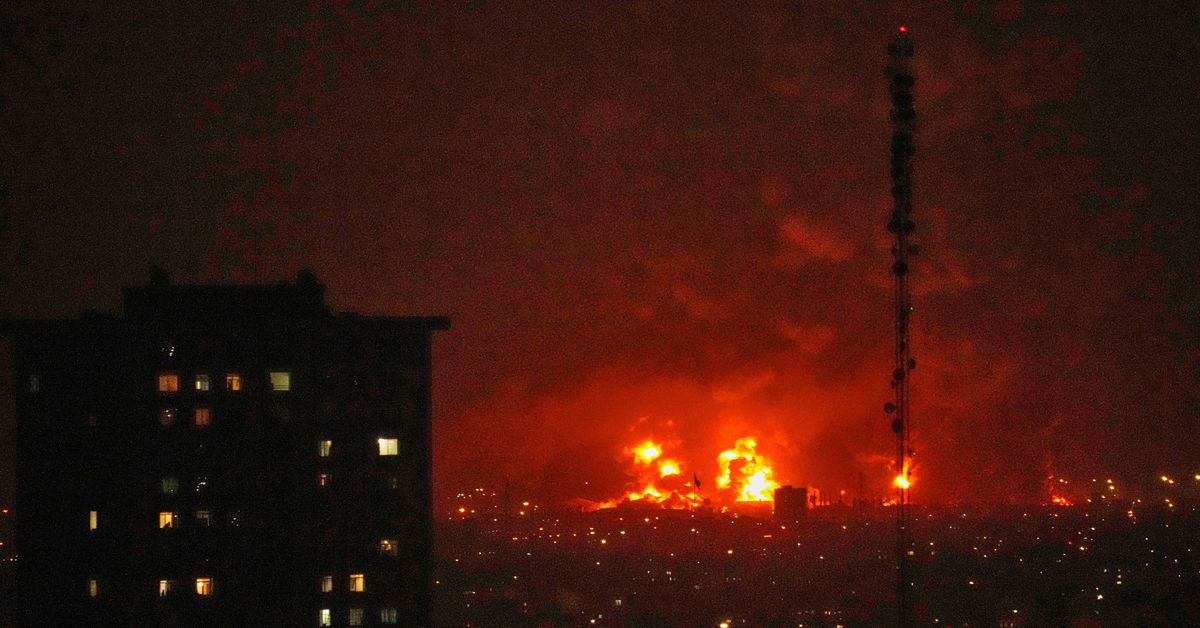
Israel launched a major attack on Tehran’s infrastructure on the eve of Nowruz, the Persian New Year, a time typically reserved for celebration and family gatherings. In apparent retaliation, Bahrain, Kuwait, and Saudi Arabia reported missile and drone attacks, a pattern observed over the past weeks following significant strikes on Iran.
“The UAE has activated its air defenses and advised residents to seek shelter,” according to local reports.
International Reactions and Cultural Responses
In Spain, opposition to the Iran war is palpable, reflected in the burning of effigies of Trump, Netanyahu, and Putin during Valencia’s Fallas Festival. This annual event features the destruction of caricatures of controversial figures, this year underscored by an anti-war sentiment.
UAE authorities have arrested members of a “terrorist network” linked to Iran and Hezbollah, accused of threatening the country’s financial stability. This follows reports of heightened tensions and strategic arrests by Iran’s Revolutionary Guard, who have detained 178 individuals labeled as “traitors and mercenaries.”
Regional Diplomatic Efforts
The leaders of Qatar and Egypt have met to discuss the escalating conflict, advocating for de-escalation and condemning unilateral military actions. Their meeting underscores the regional desire to prevent further expansion of hostilities.
“We call on regional and international bodies to intensify efforts to de-escalate the situation,” stated the Qatar News Agency.
Economic and Social Implications
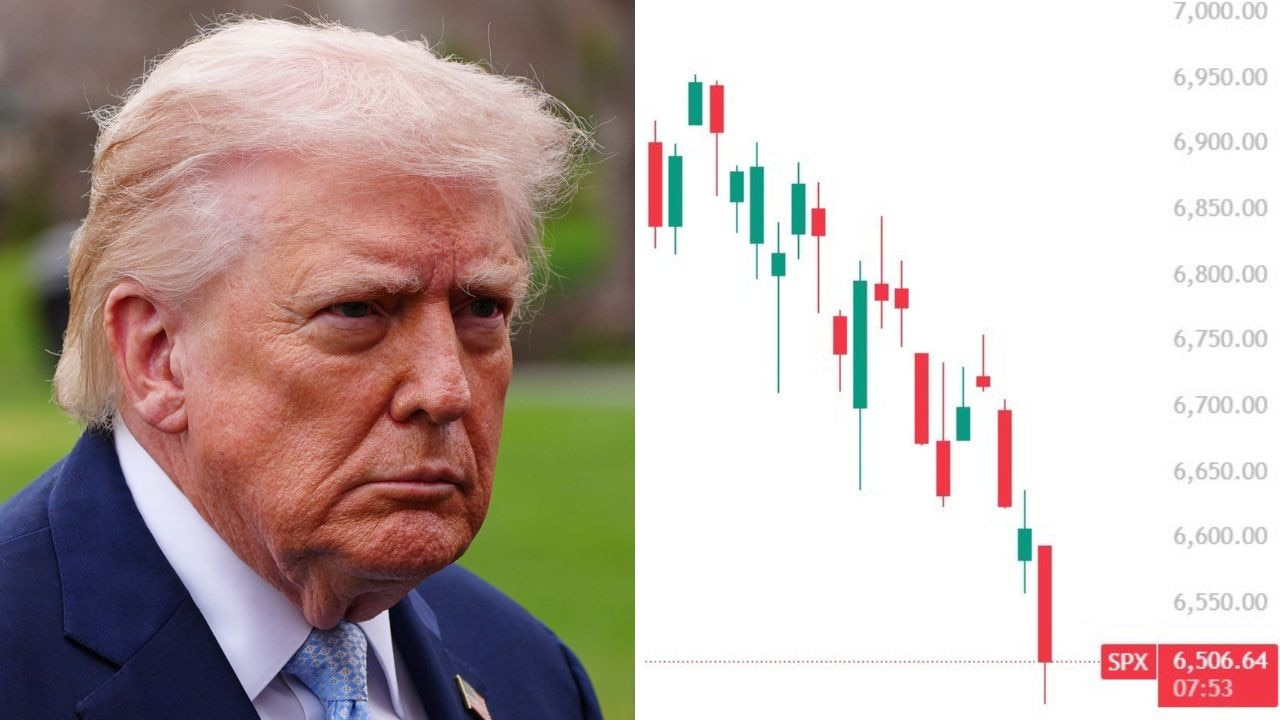
The conflict has reverberated through global markets, with fuel prices in the US nearing $6 a gallon, a rare occurrence since the aftermath of Russia’s invasion of Ukraine. This surge in prices is mirrored in Australia, where local truck drivers express concern over record fuel costs impacting their livelihoods.
Amidst these developments, Russia has called for an end to hostilities, urging the US and Israel to halt military actions. Moscow, maintaining a strategic partnership with Iran, offers to mediate the conflict resolution.
Australia’s Position and Economic Measures
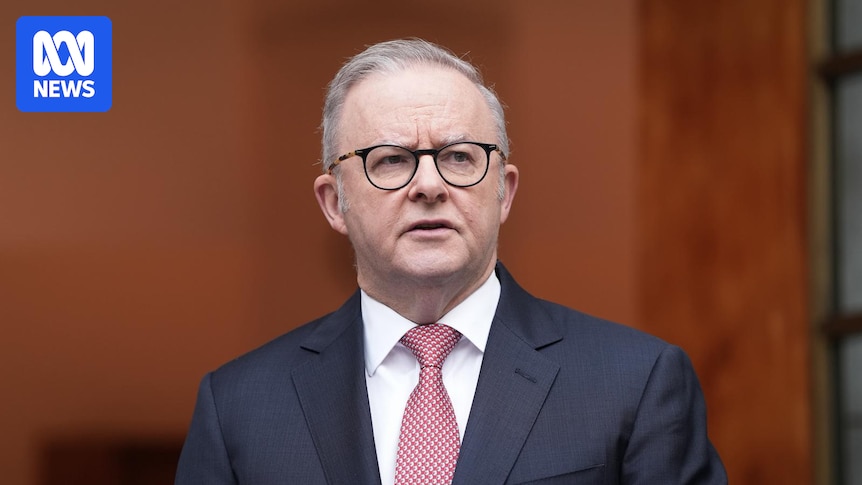
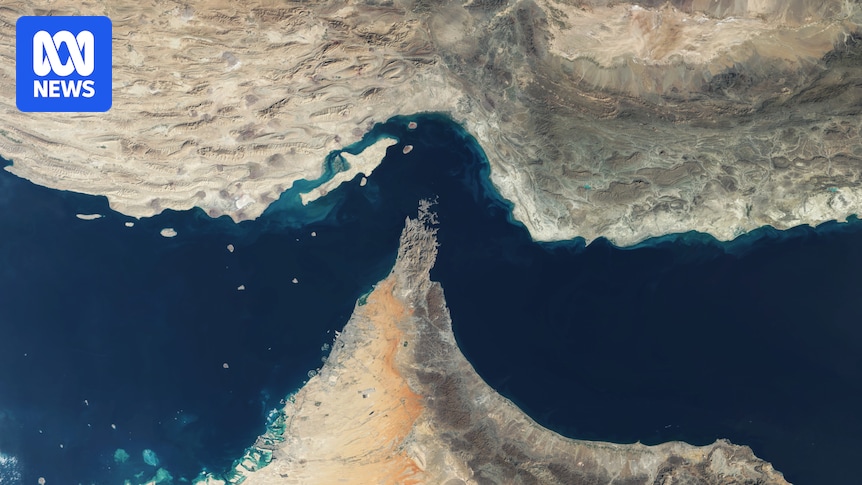
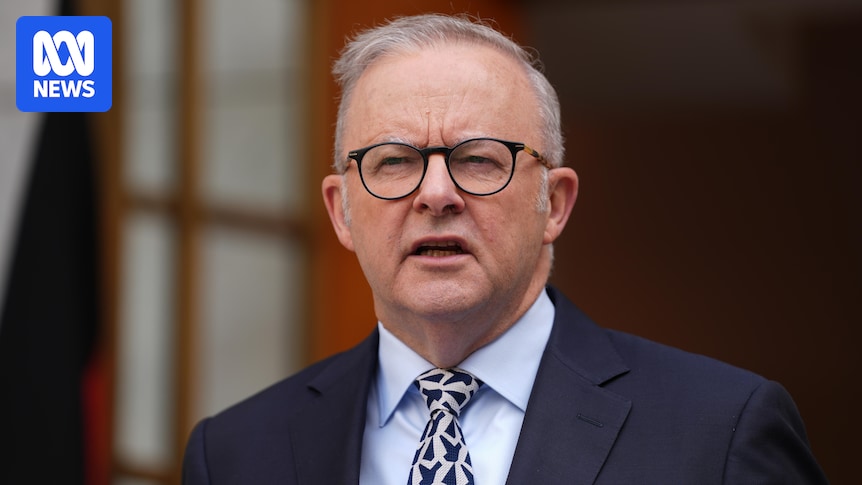
Australian Prime Minister Anthony Albanese has denied claims that Australia is out of step with its allies following a joint statement on the Strait of Hormuz. The statement emphasized the importance of ensuring safe passage through this critical maritime chokepoint.
Energy Minister Chris Bowen has indicated that Australia supports the sentiment of the joint statement and is exploring options to impose a new tax on gas companies benefiting from the Middle East conflict. However, he reassured that fuel rationing is not currently being considered.
“The supply is not being disrupted at this point. Our message to Australians remains: ‘Buy as much fuel as you need. Not more, not less,'” Bowen stated.
As the situation continues to unfold, global leaders and citizens alike watch closely, hoping for diplomatic solutions to prevail over military escalation.