




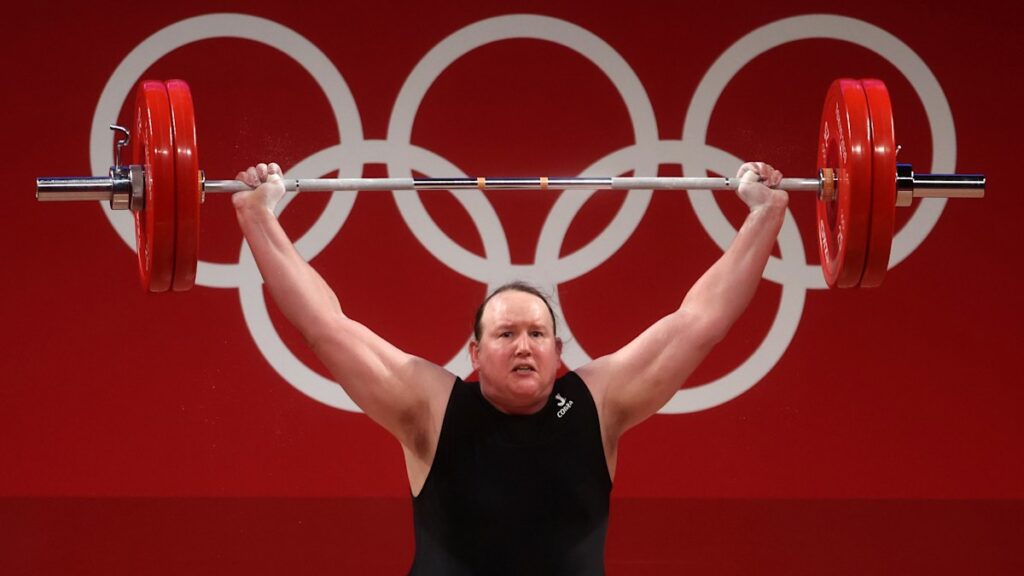
The International Olympic Committee (IOC) is currently evaluating universal rules for transgender women participating in the Olympic Games, amidst reports suggesting a potential ban on their competition in the female category by the 2028 Los Angeles Olympics. This development comes under the leadership of the new IOC president, Kirsty Coventry, who initiated a significant policy shift in June by reclaiming the authority to set eligibility criteria for transgender athletes.
Previously, the IOC had delegated this responsibility to individual sports federations, resulting in a diverse and often confusing array of regulations. In a move to streamline these policies, Coventry established the ‘Protection of the Female Category’ working group in September, comprising experts and representatives from international federations, to explore how best to safeguard female sports categories.
Current Status and Future Prospects
According to an IOC spokesperson, “An update was given by the IOC’s director of health, medicine and science to the IOC members last week during the IOC commission meetings. The working group is continuing its discussions on this topic and no decisions have been taken yet. Further information will be provided in due course.” Reports from various publications, including the BBC, indicate that a ban could be introduced as early as 2026.
Historically, the IOC has refrained from imposing a universal rule on transgender participation, advising international federations in 2021 to develop their own guidelines. Under the current rules, transgender athletes are eligible to compete in the Olympics, with New Zealand’s Laurel Hubbard making history as the first openly transgender athlete to participate in a different gender category at the Tokyo 2021 Olympics.
Global Reactions and National Policies
Meanwhile, the international sports community remains divided. Some federations have already implemented policies excluding athletes who have undergone male puberty from female categories. For instance, World Rugby and World Athletics have established such restrictions, while World Aquatics allows participation only for those who transitioned before age 12.
In the United States, the issue has taken a political turn. Former President Donald Trump enacted the ‘Keeping Men Out of Women’s Sports’ order in February, barring transgender athletes from competing in school sports. This decision has been criticized by civil society groups as an infringement on transgender rights. Following this, the United States Olympic and Paralympic Committee adjusted its rules to align with Trump’s directive, effectively banning transgender athletes from women’s sports.
Implications for the Future of Sports
The ongoing debate over transgender athletes in sports raises significant questions about fairness, inclusivity, and the integrity of female categories. The IOC’s forthcoming decision could set a precedent for international sports, influencing policies across various federations and competitions.
Expert opinions on the matter are varied. Some argue that allowing transgender women to compete in female categories undermines the competitive balance, while others advocate for inclusivity and the recognition of gender diversity in sports. The complexity of the issue is further compounded by the varying biological and social factors involved.
Looking Ahead
As the IOC continues its deliberations, the sports world watches closely. The potential policy changes could have far-reaching consequences, not only for the Los Angeles 2028 Olympics but also for the broader landscape of international sports. The IOC’s decision will likely influence how other organizations approach the participation of transgender athletes, potentially reshaping the future of competitive sports.
For now, the IOC remains in discussions, with no final decisions made. The sports community, athletes, and advocates await further announcements, which are expected to provide more clarity on the path forward.