


The International Olympic Committee (IOC) is currently evaluating universal regulations for transgender athletes at the Olympic Games. This comes as an increasing number of sports organizations are tightening eligibility criteria, signaling a shift in sentiment that the IOC appears increasingly inclined to support.
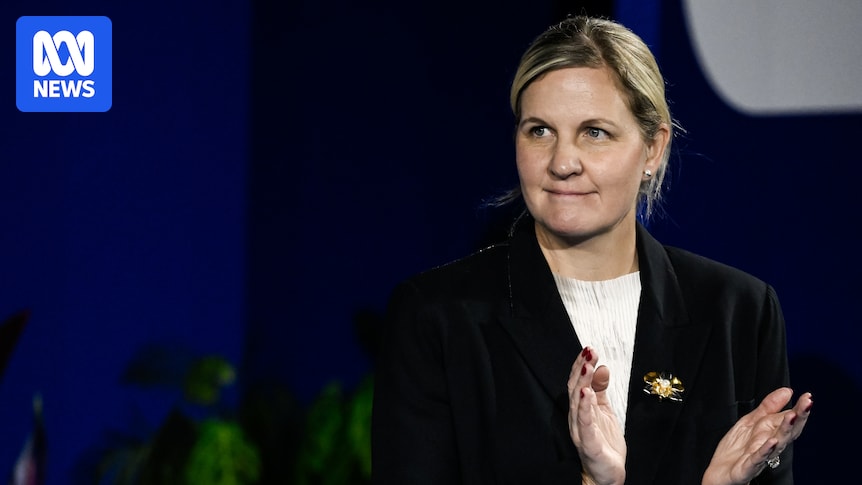
Under the leadership of new president Kirsty Coventry, the IOC reversed its previous stance in June by deciding to spearhead the establishment of eligibility criteria for transgender athletes’ participation in the Olympics. Previously, the responsibility was delegated to individual sports federations, resulting in a confusing array of differing approaches.
The Formation of the “Protection of the Female Category” Working Group
In September, Coventry initiated the “Protection of the Female Category” working group. This team, composed of experts and representatives from international federations, aims to explore the best methods to safeguard the female category in sports. An IOC spokesperson recently stated, “An update was given by the IOC’s Director of Health, Medicine and Science to the IOC members last week during the IOC commission meetings. The working group is continuing its discussions on this topic and no decisions have been taken yet. Further information will be provided in due course.”
Prior to Coventry’s decision, the IOC had refrained from implementing any universal rules regarding transgender participation in the Games. In 2021, it instructed international federations to devise their own guidelines. Under the current rules, transgender athletes remain eligible to compete in the Olympics, though only a few openly transgender athletes have participated in the Games to date.
Global Sports Federations and Their Stances
Various international sports federations have adopted differing policies regarding transgender athletes. For instance, World Rugby has prohibited transgender athletes from competing at the elite level, while World Athletics restricts athletes who have undergone male puberty from participating. Conversely, World Aquatics allows those who transitioned before the age of 12 to compete, but not those who transitioned later.
The situation remains complex in soccer, with FIFA yet to announce an updated policy. Some associations, such as the English FA, have independently banned transgender players from women’s competitions. Additionally, sports like boxing and athletics have introduced mandatory tests to detect the SRY gene, targeting athletes with Differences of Sexual Development (DSD).
Political Influence and National Policies
In the United States, former President Donald Trump implemented a ban on transgender athletes competing in school sports, a move criticized by civil rights groups as an infringement on transgender rights. Trump’s “Keeping Men Out of Women’s Sports” order, signed in February, also declared that transgender athletes would not be allowed to compete in the 2028 Los Angeles Summer Olympics.
Following this decision, the United States Olympic and Paralympic Committee adapted its rules to exclude transgender athletes from women’s sports. This has prompted several federations to conduct their own studies or alter rules to prevent those who have experienced male puberty from competing in female categories at elite levels.
Implications and Future Directions
The ongoing discussions within the IOC and among global sports federations highlight the complex nature of balancing inclusivity with fairness in competitive sports. As the IOC continues to deliberate, the outcomes could significantly influence future policies across various sports disciplines.
Experts suggest that any new regulations must consider both scientific evidence and the rights of transgender athletes to participate in sports. The decisions made by the IOC and individual federations could set precedents for how gender identity is navigated in international sports.
As the situation develops, the sports world awaits further announcements from the IOC, which could potentially reshape the landscape of Olympic participation for transgender athletes.
