




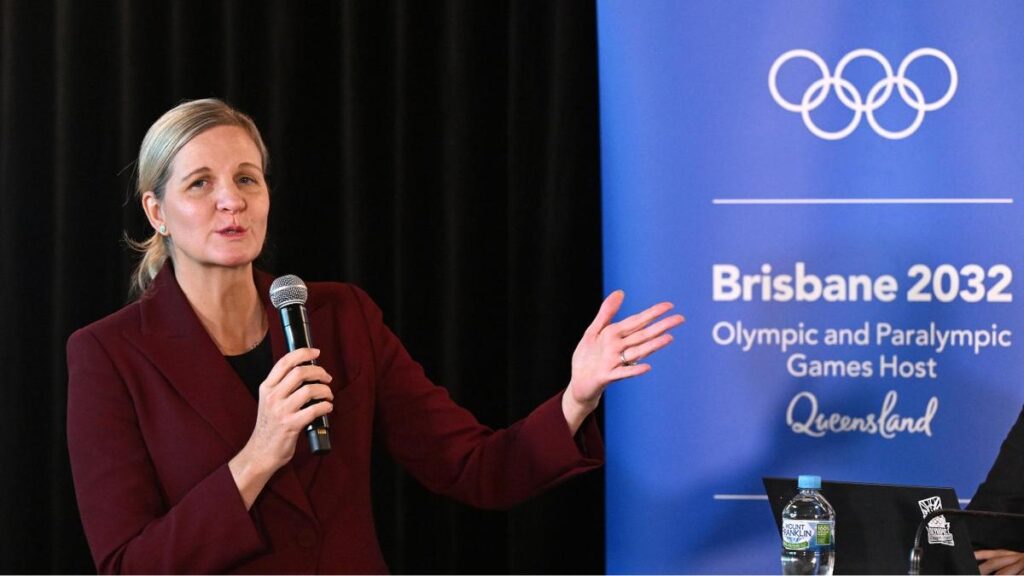
Transgender women may soon face a ban from competing in the Olympics under new eligibility rules expected to be announced by the International Olympic Committee (IOC) next year. This potential policy shift comes as the first major decision under the leadership of newly appointed IOC President Kirsty Coventry, a two-time swimming gold medalist. The anticipated changes are likely to take effect before the Los Angeles 2028 Olympics.
The move comes against a backdrop of increasing debate over the participation of transgender athletes in sports, a topic that has seen significant political and social discourse. US President Donald Trump, since his return to office, has been vocal in his opposition to transgender women competing in sports. In response, Coventry and the IOC are working towards a unified approach for the Games.
Current Eligibility Rules and Proposed Changes
Currently, individual Olympic sports have the autonomy to set their own eligibility criteria. However, this could change following the presentation of findings by the IOC’s medical and scientific director, Dr. Jane Thornton. Her report, described as “scientific, factual, dispassionate and unemotional,” suggests that athletes who have undergone male puberty retain certain advantages over female competitors, even after testosterone-reduction treatments.
“An update was given by the IOC’s director of health, medicine and science to the IOC members last week during the IOC commission meetings,” the IOC stated. “The working group is continuing its discussions on this topic and no decisions have been taken yet. Further information will be provided in due course.”
The IOC is proceeding cautiously, aware of the potential for legal challenges, especially concerning athletes with differences of sexual development (DSD). These complexities have previously led to controversies, such as those surrounding gender testing and eligibility based on testosterone levels.
Historical Context and Recent Developments
The issue of gender and eligibility in sports has been contentious for years. During the Paris 2024 Olympics, gender testing became a focal point, particularly in boxing. Athletes Imane Khelif and Lin Yu-Ting faced scrutiny after winning gold medals amid administrative controversies. Both were disqualified from the 2023 world championships by the now-defunct International Boxing Association (IBA) for unspecified eligibility violations.
In contrast, the Tokyo 2021 Olympics saw New Zealand weightlifter Laurel Hubbard become the first openly transgender woman to compete. Despite her groundbreaking participation, Hubbard did not complete her lifts and finished last in her division. This highlighted the ongoing debate over fairness and competitive balance in sports.
Expert Opinions and Future Implications
Experts in sports medicine and gender studies continue to weigh in on the implications of such policy changes. Dr. Joanna Harper, a researcher on transgender athletes, notes that while physical advantages exist, the degree to which they impact performance varies greatly across sports.
Dr. Harper stated, “The science is still evolving, and blanket bans may not be the most equitable solution. Each sport should consider the specific physical demands and how they relate to transgender participation.”
Meanwhile, sports organizations like World Rugby, World Athletics, and World Aquatics have already implemented bans on transgender women or athletes who transitioned post-puberty. These precedents may influence the IOC’s final decision, which could set a significant standard for future international competitions.
Looking Ahead
As the IOC deliberates on this sensitive issue, the sports world watches closely. The potential ban could redefine the landscape of international sports and influence policies across various levels of competition. The IOC’s decision will likely resonate beyond the Olympics, affecting national sports policies and the broader conversation on gender and athletics.
With the Los Angeles 2028 Olympics on the horizon, the IOC is expected to continue its discussions, balancing scientific evidence, fairness, and inclusivity. The outcome of these deliberations will not only impact athletes but also shape the future of sports governance worldwide.