



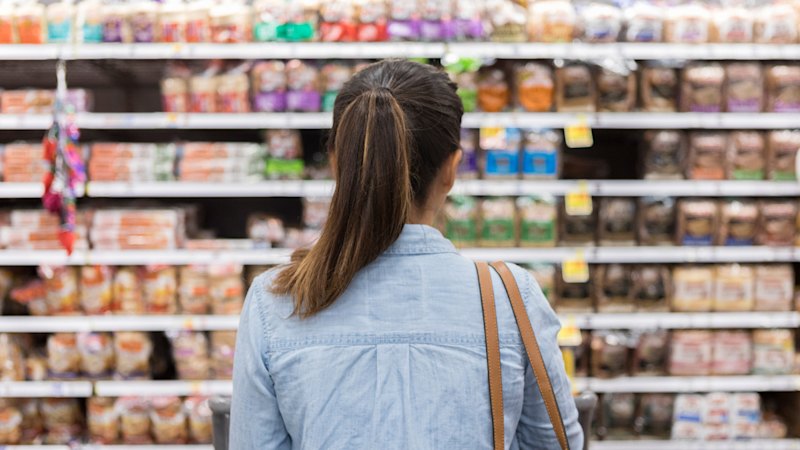
On January 11, 2026, it was announced that square juice bottles and wine in lighter bottles or slim cans will soon become a familiar sight on supermarket shelves. This shift comes as food and drink manufacturers aim to make packaging lighter, cleaner, and easier to recycle.
As Australians dispose of over 7 million tonnes of paper, glass, plastic, metal, and wood annually—equating to 264 kilograms per person—food manufacturers are innovating to cut costs, reduce waste, and comply with emerging regulations. These changes are also expected to improve margins for major food retailers, as more compact packaging allows for more units per pallet, enhancing transport efficiency and reducing fuel costs. Furthermore, such packaging is easier to stack, leading to fewer broken items.
Impact on Consumer Behavior
Changes in food packaging can significantly influence consumer shopping habits. Michael Whitehead, ANZ’s head of agribusiness insights, noted, “Consumers talk about how much their buying behavior is impacted by the sustainability of a product.” He added, “Does it irritate you when you see all the cucumbers wrapped in plastic? How do I make my muesli stand out on the shelf better than yours? Packaging is always mini-advertising.”
Innovations in food packaging have already led to lighter wine bottles and cans, salad packets that stay fresher longer through “tiny laser pinholes,” and clearer labels indicating recyclability. Whitehead’s latest report, “Food for Thought,” highlights that multi-layered film packets now use a single plastic type detectable by scanners, and ready-made meal trays are moving away from black, which scanners struggle to detect. Additionally, more bottles are adopting tethered caps, ensuring both bottle and lid can be recycled together.
Industry and Environmental Benefits
The strategic use of labels and QR codes can cater to international markets by addressing specific requirements like allergen and recycling information. “One smart change at the factory can open several export markets at once,” Whitehead explained. “Packaging has shifted from an end-of-line cost to a strategic tool that can boost product sales, unlock export access, and shape brand reputation.”
According to a spokesperson for Endeavour Group, which operates Dan Murphy’s and BWS, about half of the wine industry’s carbon footprint stems from glass bottle production. The company is part of the Sustainable Wine Roundtable, committed to reducing wine bottle weight. “Traditional heavy glass packaging is estimated to generate about 34 percent of all emissions from wine production in Australia, excluding emissions from transporting these bottles,” the spokesperson stated. “Endeavour Group aims to lead the Australian wine industry by partnering with our wine suppliers to reduce the average weight of glass bottles gradually.”
Sustainability Goals and Regulatory Changes
Supermarket giants Woolworths and Coles have set sustainability targets focused on circularity, using recyclable materials or those with recycled content. Woolworths aims for 60 percent recycled content in own-brand packaging, having already achieved 51 percent, while 87.6 percent of Coles and Coles Liquor own-brand packaging is recyclable.
New packaging laws are on the horizon, with regulations varying across states and territories, adding complexity for manufacturers. Sarah Collier, director of sustainability at the Australian Food & Grocery Council, noted that the Department of Climate Change, Energy, the Environment and Water plans further industry consultations to refine national packaging reform. This follows a 2024 consultation that received over 400 submissions.
“We are hopeful the upcoming consultation to drive the federal government’s packaging regulations will remove the need for states to respond independently,” Collier said. “Changes to regulation must reflect the complexity of the food and grocery manufacturing sector and consider the whole packaging system and life cycle as part of a circular economy.”
Manufacturers have already been investing in packaging innovation ahead of anticipated government reforms. These efforts are not only about compliance but also about leveraging packaging as a strategic advantage in the competitive food and beverage industry.
The Business Briefing newsletter delivers major stories, exclusive coverage, and expert opinion. Sign up to get it every weekday morning.
Jessica Yun is a business reporter covering retail and food for The Sydney Morning Herald and The Age. Connect via Twitter or email.