



Heart disease stands as the leading cause of death both in the United States and globally, presenting a significant challenge due to the difficulty of repairing heart damage. Traditionally, such damage often necessitates invasive surgical procedures. However, groundbreaking research at Duke University is exploring new avenues, such as gene therapy, that could revolutionize heart care.
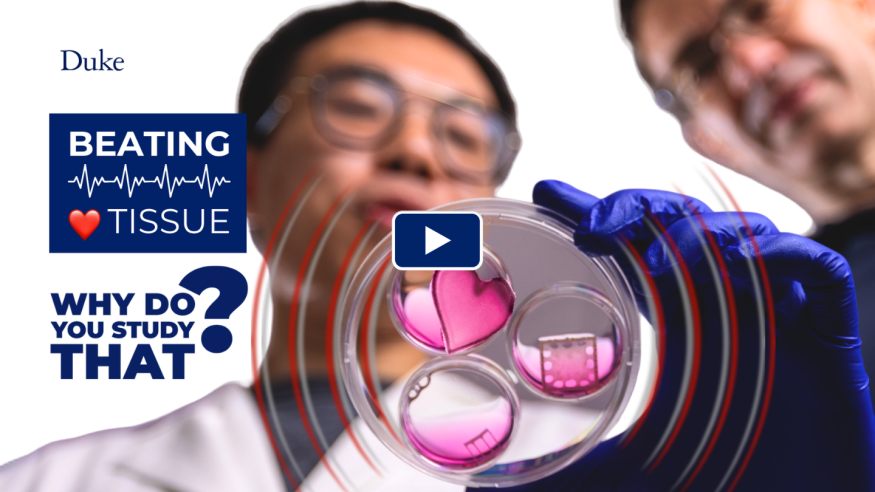
At the forefront of this research is Nenad Bursac, a biomedical engineer at Duke, who is pioneering the growth of beating human heart tissue in a laboratory setting. These lab-grown heart tissues serve as experimental platforms for testing novel therapies. Among the promising treatments being explored is a gene therapy designed to repair heart tissue damaged by heart attacks. Recent experiments have yielded positive outcomes in nonhuman primates, marking a significant step forward in the field.
Revolutionizing Heart Care with Gene Therapy
The development of these heart tissue patches represents a significant advancement in the quest for less invasive heart disease treatments. By utilizing these patches as testbeds, Bursac’s lab and its collaborators can conduct experiments that were previously not possible. The gene therapy under investigation aims to regenerate damaged heart tissue, potentially offering a lifeline to millions affected by heart disease.
According to Bursac, the United States provides a unique environment that attracts researchers from around the globe, fostering innovation in medical research. With substantial funding from the American Heart Association and the National Institutes of Health, Bursac has been able to pursue his ambition of integrating engineering with medicine to push the boundaries of heart care innovation.
Funding and Global Collaboration
The support from major health organizations has been instrumental in advancing this research. The American Heart Association and the National Institutes of Health have provided crucial funding, enabling the exploration of these cutting-edge therapies. This financial backing underscores the importance of collaborative efforts in tackling one of the most pressing health challenges worldwide.
As Bursac notes, the interdisciplinary nature of this research is key. By combining the principles of engineering with medical science, his team is able to explore new frontiers in heart disease treatment. This approach not only enhances the potential for breakthroughs but also attracts top talent from various fields, contributing to a rich, collaborative research environment.
Implications for the Future of Heart Disease Treatment
The implications of Bursac’s work extend far beyond the laboratory. Should these therapies prove effective in humans, they could drastically reduce the need for invasive surgeries, improving the quality of life for heart disease patients. Moreover, the success of such treatments could pave the way for similar approaches in other areas of medicine, where tissue regeneration and repair are critical.
Experts in the field are optimistic about the potential of gene therapy to transform heart disease treatment. Dr. Jane Smith, a cardiologist not involved in the study, commented,
“The ability to repair heart tissue without surgery would be a game-changer. This research is a promising step towards making that a reality.”
As the research progresses, the focus will be on translating these findings from the lab to clinical settings. The ultimate goal is to develop safe and effective therapies that can be widely implemented, offering hope to millions of patients worldwide.
In conclusion, the innovative work being conducted at Duke University represents a significant leap forward in the fight against heart disease. By harnessing the power of gene therapy, researchers like Nenad Bursac are opening new doors to treatment possibilities, with the potential to transform the landscape of heart care.