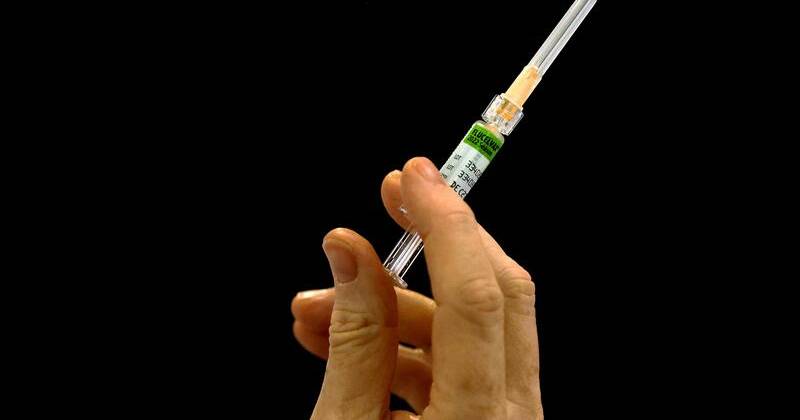


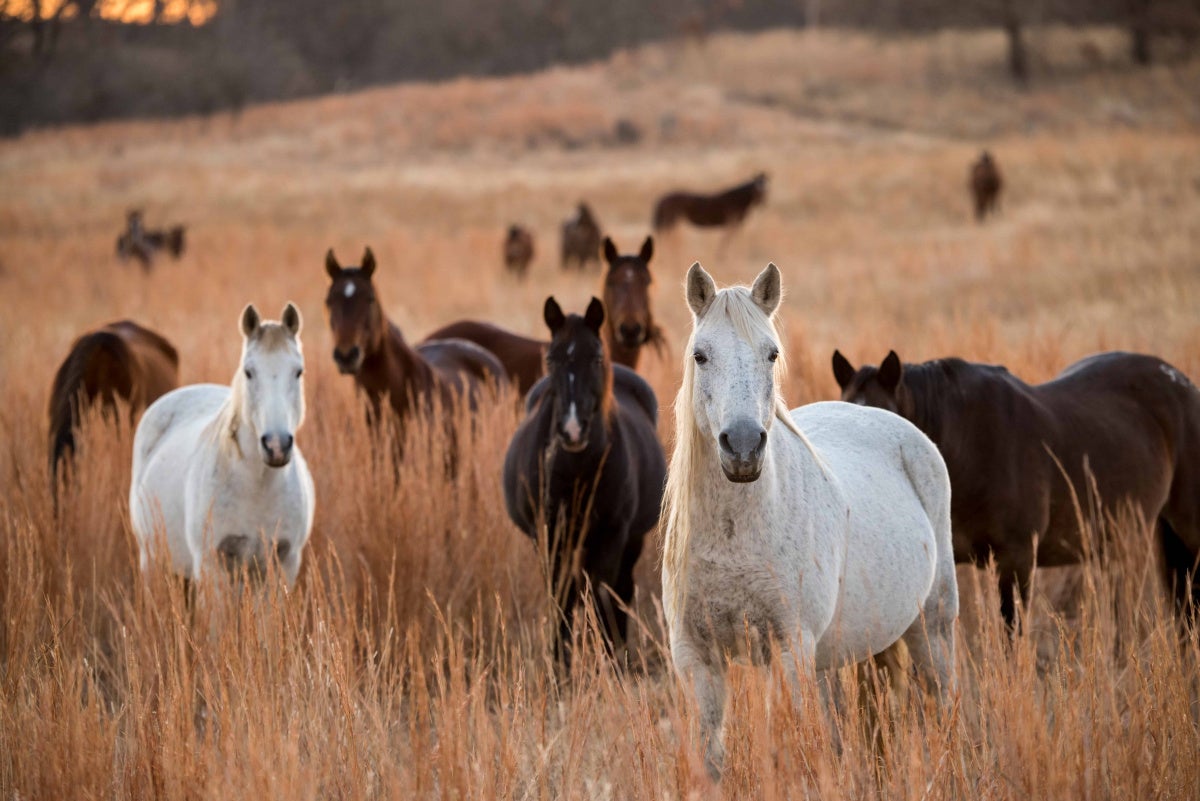

A new contraceptive vaccine developed by a team at Purdue University could revolutionize wildlife management by significantly reducing fertility rates in animals such as feral horses, deer, and swine. The vaccine, centered around a sperm protein known as IZUMO1, has demonstrated promising results in early tests, cutting fertility rates sharply in mice. This innovative approach, led by Dr. Harm HogenEsch and Dr. Raluca Ostafe, was detailed in a study published on February 6 in the journal Vaccine.
Dr. HogenEsch, a distinguished professor of immunopathology at Purdue’s College of Veterinary Medicine, emphasized the potential of this vaccine as a humane solution to animal overpopulation. The research, supported by Purdue’s Institute for Inflammation, Immunology, and Infectious Disease, offers a novel alternative to existing wildlife contraception methods that often involve complex tradeoffs.
A Different Target than Hormone Vaccines
Current contraceptive vaccines typically target “self-proteins,” encouraging the immune system to react against the animal’s own molecules. These include gonadotropin-releasing hormone (GnRH) and zona pellucida (ZP) proteins. While effective, these methods can lead to side effects such as injection site reactions, behavioral changes, and potential supply chain vulnerabilities.
The Purdue team’s approach diverges by targeting IZUMO1, a protein found on sperm, which allows the female immune system to recognize it as foreign. This strategy aims to inhibit the fusion of sperm and egg cells, a critical step in fertilization. HogenEsch explained,
“It works exclusively by inhibiting the fusion of a sperm cell and the oocyte.”
This method could potentially offer a more effective and sustainable solution for wildlife contraception.
Building and Testing the Vaccine
The researchers developed a recombinant mouse IZUMO1 peptide using Chinese hamster ovary (CHO) cells, confirming its expected size through SDS-PAGE and western blot techniques. The vaccine was tested with different adjuvants, including AddaS03, a squalene oil-in-water emulsion, and NanoST, a nanoparticle-based system. These adjuvants are crucial as they enhance the immune response, making vaccines more effective.
In fertility tests using outbred CD-1 mice, known for their strong reproductive performance, the vaccine showed significant results. The group vaccinated with IZUMO1 plus NanoST saw a greater than 50% reduction in pregnancy rate and pup numbers, showcasing the potential of this approach.
Fertility Drops with NanoST
In controlled experiments, the combination of IZUMO1 and NanoST led to substantially reduced fertility rates. For example, in one test, only two of six mice became pregnant, producing a total of 24 pups, compared to the control group’s 63 pups. This demonstrates the vaccine’s potential efficacy in reducing fertility.
However, the antibody data did not always align with fertility outcomes. While all immunized groups developed strong anti-IZUMO1 IgG responses, NanoST seemed to promote a stronger IgG2a response. The researchers noted that the specificity of antibodies might be more crucial than their quantity, with certain antibodies targeting specific regions of the IZUMO1 protein correlating with infertility.
From Lab to Field: Implications for Wildlife Management
The Purdue team views this development as a promising step toward a practical wildlife vaccine. They aim to create a single-dose, controlled-release formulation, which would be more feasible for use in free-ranging wildlife.
“A vaccine that induces long-lasting infertility with a single injection will greatly facilitate the utility of the vaccine,”
Dr. HogenEsch stated.
In addition to refining the vaccine’s delivery, the team is exploring options for oral administration and optimizing delivery by darts. They have also embarked on a three-year project with the Bureau of Land Management to test the vaccine on horses, which could significantly aid in wild horse management if successful.
Funding for this research has been provided by Humane World for Animals and the Elinor Patterson Baker Trust, highlighting the broader interest in humane wildlife management solutions. The findings are accessible in the journal Vaccine, offering a glimpse into the future of wildlife contraception.
This development follows a growing trend in wildlife conservation efforts to find humane and effective solutions to manage animal populations, balancing ecological needs with animal welfare considerations. As the research progresses, it holds the potential to transform approaches to wildlife management globally.