




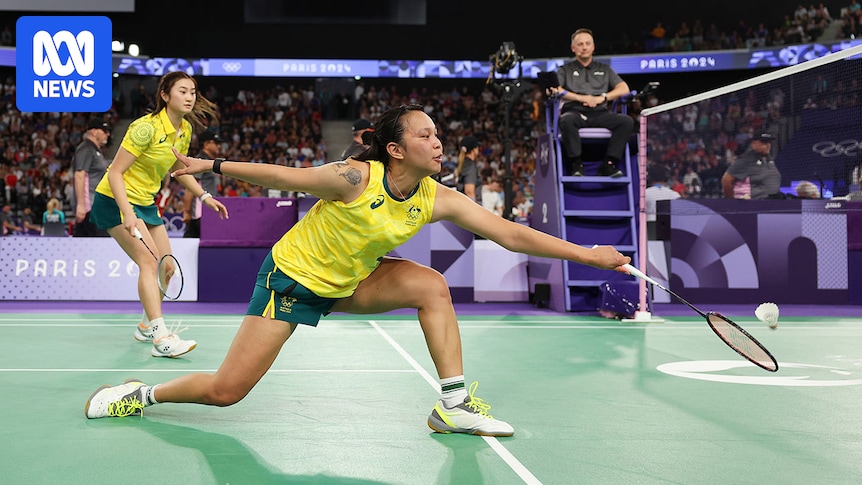
Setyana Mapasa, an Olympic badminton player, faced a significant personal decision when she had to relinquish her Indonesian citizenship to pursue her sporting career in Australia. After relocating to Sydney in 2013, Mapasa maintained her connection to Indonesia through family visits, albeit with the constraint of time-limited stays. The recent announcement of Indonesia’s new visa scheme, which allows indefinite residence and work in the country, has sparked her interest.
Indonesia’s Minister of Immigration, Agus Andrianto, described the Global Citizenship of Indonesia (GCI) as an “innovative solution to the issue of dual citizenship,” designed for foreign nationals with strong ties to Indonesia. This development has been met with mixed reactions from the Indonesian diaspora, who are divided over the scheme’s potential impact.
Understanding the New Visa Scheme
The introduction of the GCI visa represents a significant shift in Indonesia’s approach to citizenship and residency. The scheme, modeled after India’s Overseas Citizenship of India (OCI) visa, aims to provide similar rights to foreign nationals with Indonesian heritage. However, unlike the OCI, the GCI does not currently address land and property ownership rights, according to Abdullah Rasyid from the Indonesian Ministry of Immigration.
Harun, an Indonesian citizen of Indian descent residing in Bali, holds an OCI visa and highlights the benefits it offers, such as the ability to own property and ease of travel. In contrast, the Indonesian visa requires a substantial financial commitment, with fees and investment requirements that vary based on the applicant’s connection to Indonesia.
“So far, GCI has only offered an unlimited permanent stay permit,” said Abdullah Rasyid.
Financial Commitments and Eligibility
The financial obligations associated with the GCI visa have been a point of contention. Former Indonesian citizens must invest in bonds, shares, mutual funds, and deposits worth $5,000 in Indonesia, while first and second-generation descendants face higher requirements. The government argues that these commitments are part of a “mutual contribution framework.”
Eligibility for the visa extends to individuals with Indonesian parents or grandparents and spouses of Indonesian citizens. However, those who have served as civil servants, intelligence officers, or military personnel in their adopted countries are excluded.
Mixed Reactions from the Diaspora
The Indonesian diaspora has expressed a range of opinions on the new visa. While some view it as an opportunity to reconnect with their heritage, others criticize it as a revenue-generating measure with limited benefits. Social media platforms have seen heated debates, with some users labeling the scheme as a “national robbery.”
For others, like Tuti Poeppelmeyer in Germany, the visa offers a glimmer of hope. Poeppelmeyer, who lives with her German husband and daughter, is cautiously optimistic about the potential for property ownership in Indonesia, a key factor in her decision to retain her Indonesian citizenship.
“Honestly, the only reason I’ve kept my Indonesian passport is because I have property and inheritance from my parents in Indonesia,” she said.
Criticism and Calls for Reform
Dr. Nuning Hallett, a former adjunct professor and advocate for citizenship rights, argues that the GCI falls short of addressing the dual citizenship issue. She highlights the scheme’s focus on generating revenue rather than providing tangible benefits to the diaspora.
Dr. Hallett points out that the GCI’s legal standing is weaker compared to India’s OCI, as it is not embedded in citizenship law. She believes that the Indonesian government should focus on simplifying processes and reducing costs to encourage diaspora engagement.
“It’s completely revenue-oriented, not about providing facilities for us … it’s all about revenue,” Dr. Hallett said.
The Indonesian government, however, remains committed to refining the scheme, which is set to be implemented on January 26. As the diaspora community awaits further details, individuals like Mapasa hope for a resolution that allows them to maintain their cultural and legal ties to Indonesia.
Mapasa, who has received offers to coach badminton in Indonesia, reflects on her experiences with visa restrictions and expresses a longing for a more permanent connection to her homeland.
“I still feel [Indonesia] is home,” she said.