




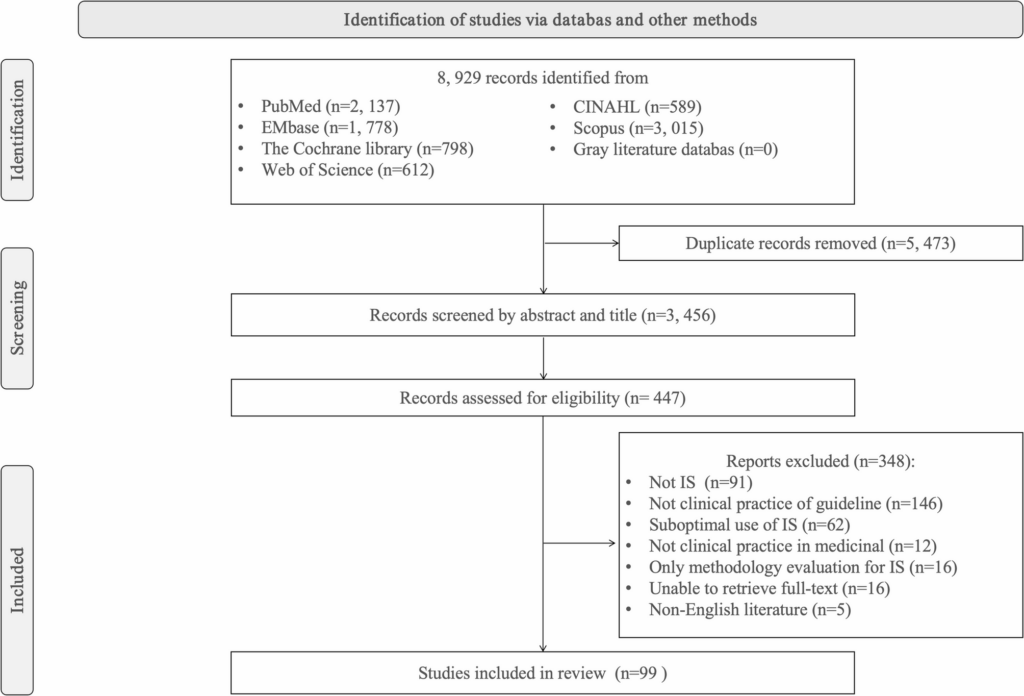
In recent years, the field of implementation science has emerged as a crucial component in the healthcare ecosystem, particularly in the application of clinical practice guidelines. A scoping review published in the journal Implementation Science highlights the significant role this discipline plays in promoting the adoption of evidence-based practices in clinical settings.
The review, which synthesizes findings from a wide array of studies, underscores the importance of implementation science in ensuring that clinical guidelines are not only developed but also effectively integrated into everyday medical practice. This integration is vital for improving patient outcomes and enhancing the quality of healthcare delivery.
Understanding Implementation Science
Implementation science is defined as the study of methods and strategies that facilitate the uptake of research findings into routine healthcare practice. According to Bauer and Kirchner in their 2020 publication, this field addresses the gap between what is known from research and what is practiced in real-world settings.
Historically, the translation of clinical guidelines into practice has faced numerous challenges. A pivotal study by Morris et al. in 2011 revealed that it takes an average of 17 years for research evidence to be incorporated into clinical practice. This lag highlights the need for systematic approaches to accelerate the adoption of research findings.
Challenges and Barriers
Despite its importance, the implementation of clinical practice guidelines is fraught with challenges. These include resistance from healthcare providers, lack of resources, and insufficient training. A systematic review by Thoonsen et al. in 2024 identified these barriers as significant impediments to the successful implementation of guidelines in hospital care.
Moreover, the complexity of healthcare systems and the variability in clinical settings further complicate the implementation process. As noted by Eccles and Mittman in 2006, understanding the organizational context and tailoring interventions to fit specific settings are critical for successful implementation.
Expert Opinions
Experts in the field emphasize the need for a multi-faceted approach to overcome these challenges. Dr. Peter Pronovost, in a 2013 JAMA article, advocated for enhancing physicians’ use of clinical guidelines through education and system-level changes. Similarly, Chan et al. in 2022 highlighted the undervalued role of implementation science in healthcare innovation, calling for greater integration of this discipline into healthcare policy and practice.
Strategies for Effective Implementation
To address the barriers to guideline implementation, researchers have developed various frameworks and models. The Consolidated Framework for Implementation Research (CFIR), for instance, provides a comprehensive structure for assessing the factors that influence implementation success. According to a systematic review by Kirk et al. in 2016, the CFIR has been widely used to guide implementation efforts across different healthcare settings.
Other strategies include the use of tailored interventions that consider the specific needs and contexts of healthcare providers. A study by Grol and Wensing in 2004 identified incentives and support systems as key drivers of change in clinical practice.
Case Studies and Success Stories
Several case studies illustrate the successful application of implementation science in healthcare. For example, a study by Ebben et al. in 2013 demonstrated improved adherence to guidelines in emergency care settings through the use of targeted interventions. Similarly, a 2020 study by Ramos-Morcillo et al. employed the knowledge-to-action framework to enhance breastfeeding guideline implementation, resulting in increased compliance among healthcare providers.
The Future of Implementation Science
The growing recognition of implementation science’s value in healthcare suggests a promising future for the field. As healthcare systems worldwide continue to grapple with the challenges of integrating research into practice, implementation science offers a pathway to more effective and efficient healthcare delivery.
Looking ahead, experts like Proctor et al. in 2022 advocate for the development of new methodologies and tools to further enhance the speed and effectiveness of implementation efforts. The integration of technology, such as machine learning and decision support systems, is also expected to play a pivotal role in advancing the field.
Ultimately, the continued evolution of implementation science will be instrumental in bridging the gap between research and practice, ensuring that patients receive the highest standard of care based on the latest evidence.