
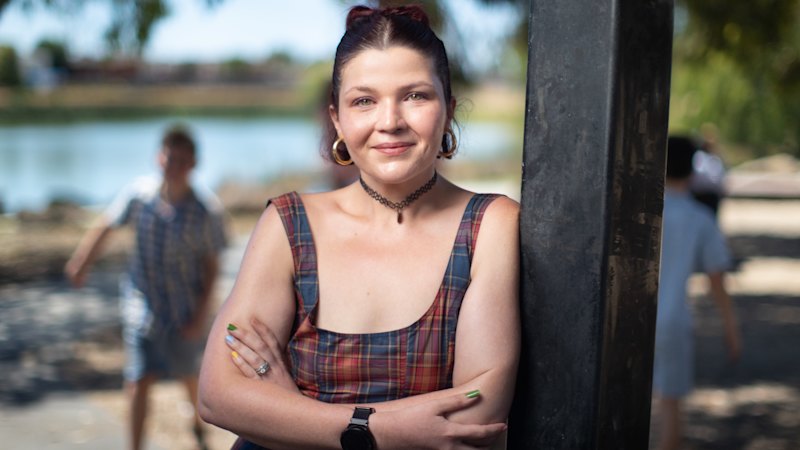
In recent years, the rise of weight loss drugs like Ozempic has sparked a new wave of concerns among new mothers struggling with body image issues. Jessica Seitz, a 33-year-old mother who grew up amid the pressures of the 1990s diet culture, reflects on the challenges she faces today. “I grew up my whole life with weight issues. You won’t find very many Millennials that didn’t at least have bad body image,” she shares.
Seitz’s experience is not unique. The societal pressure to quickly return to pre-pregnancy bodies has intensified with the advent of social media, where edited images and “bounce back” culture dominate. “At the moment, thinness, Ozempic, all of those things have become trendy. It’s very reminiscent of the Y2K, ’90s Kate Moss attitude,” she explains.
The Rise of Weight Loss Drugs
Weight loss drugs, particularly GLP-1 receptor agonists like Ozempic, have gained popularity for their effectiveness in treating type 2 diabetes and obesity. However, their inappropriate use for minor weight loss has raised alarms. While no official data exists on postpartum prescriptions, social media is awash with post-pregnancy transformations attributed to these medications. Celebrities like Meghan Trainor and Serena Williams have publicly discussed their use of such drugs post-pregnancy.
Dr. Karen Spielman, chair of psychological medicine at the Royal Australian College of General Practitioners, notes an increase in young mothers expressing body dissatisfaction. “10 years ago, people were a little more body positive, and now all of a sudden, people are talking about weight loss being an easy thing because you can just get these medications,” she says.
Body Image and Postpartum Challenges
A recent review from Flinders University highlights that three in four new mothers struggle with body image. The postpartum period, spanning three months after birth, involves significant physiological and psychological changes. Despite this, societal expectations for mothers to “bounce back” quickly remain prevalent.
“I don’t think there’s enough support for women to understand just how big the changes are in your body in pregnancy to postpartum,” says Seitz.
The Flinders review examined 36 studies from 1986 to 2024, focusing on the impact of interpersonal and environmental factors on body image. Lead author Madeleine Rhodes emphasizes the need to shift responsibility away from women. “They’re tasked with swimming upstream against this tidal wave of pressure, and I just feel like that is unfair,” she asserts.
The Role of Partners and Social Media
Supportive partners and strong social networks play a crucial role in fostering positive body image. Conversely, unrealistic media portrayals and appearance-focused comments can be damaging. Dr. Briony Hill, a senior research fellow at Monash University, highlights the prevalence of weight stigma during the perinatal period, which can lead to stress responses and other health complications.
Courtney Stubbs, a mother who experienced perinatal depression, shares her struggles with body image. “The experience of being pregnant the first time was wild mentally for me,” she says. Stubbs’ public visibility as a business owner and former reality TV contestant compounded the pressure to conform to societal ideals.
Seitz notes the unrealistic standards perpetuated by social media. “If you take your eyes off the screen and go out to your local swimming pool, it’s very eye-opening to see all different types of bodies,” she observes.
Moving Forward: Support and Awareness
Experts like Spielman encourage new mothers to seek support from healthcare professionals and establish solid social networks. “A good mothers’ group with people who can normalise and share and debrief, so that you don’t feel isolated,” she advises.
Rhodes urges mindfulness in language use around pregnant individuals, as appearance-related commentary can exacerbate body image concerns. “Being quite reassuring and loving is really respectful and can be a powerful thing,” she suggests.
For Seitz, sharing her journey on social media has fostered a supportive community and boosted her confidence. “I have such a lovely community,” she says, “and it’s really helped me feel more confident in my body.”
If you or anyone you know needs support, contact the Butterfly National Helpline at 1800 33 4673, Lifeline at 131 114, Beyond Blue at 1300 224 636, or PANDA between 9am and 7.30pm at 1300 726 306.