



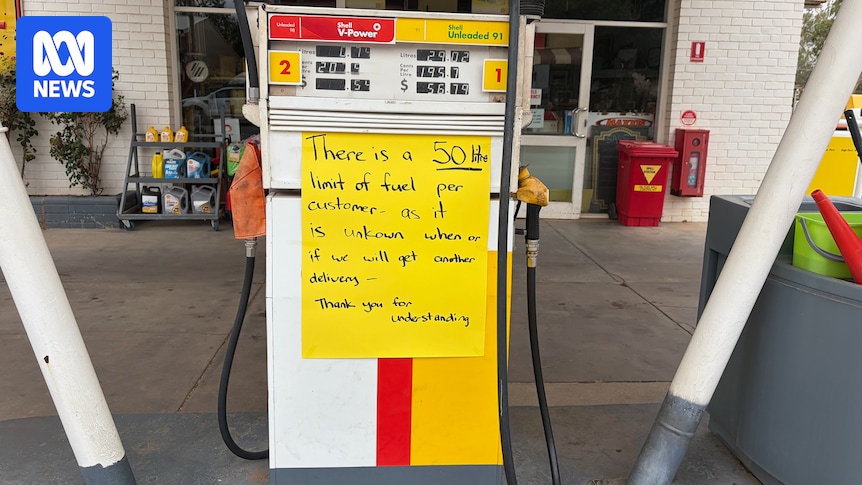
Western Australia, despite its geographical distance from Iran, is beginning to feel the effects of the ongoing conflict in the Middle East. The Iranian blockade of the Strait of Hormuz, a critical chokepoint for global oil supply, has led to a significant disruption, affecting nearly 20% of the world’s oil flow. This has sparked fears of fuel shortages worldwide, prompting panic buying and price hikes.
The vast state of Western Australia, with its sprawling distances between towns and a mining sector heavily reliant on diesel, is particularly vulnerable. The ripple effects of supply shortages and rising costs are becoming increasingly apparent.
Pain at the Pump
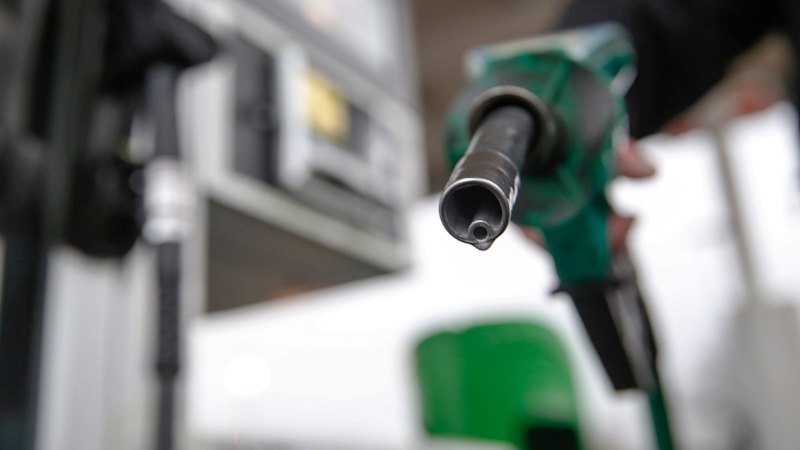
Motorists in Perth have reported to local media that they are already feeling the strain of escalating petrol prices. According to FuelWatch, the average price of unleaded petrol in the state capital has surged by approximately 70 cents per litre in less than a month, climbing from $1.56 on February 17 to just under $2.26.
Social worker Heather Graham shared her experience of adapting to the rising costs. “I drop him off at work and work my shift, so I can then go and pick him up,” she said, explaining how she and her husband are managing with just one car to cut expenses.
Similarly, Glenys Sorensen has decided to postpone a planned holiday to the South West due to the uncertainty surrounding fuel prices. “We were planning to go down south, but we probably won’t now because of the hike,” she said. “We’ll just put it on the back burner for a while and see what happens.”
Mining Sector Faces Uncertainty
The mining industry in Western Australia, a cornerstone of the state’s economy, is bracing for the impact of higher oil prices. While mines typically maintain diesel reserves for emergencies like flooding, the quantities vary from site to site. Most major gold miners in WA have reported that operations remain unaffected for now, with AngloGold Ashanti stating it is “business as usual,” though this could change if the conflict persists.
Australia’s largest gold miner, Northern Star Resources, recently downgraded its production forecasts for the second time since January, attributing the decision to ongoing operational challenges at Kalgoorlie’s Super Pit. Managing Director Stuart Tonkin acknowledged the uncertainty surrounding diesel costs, stating, “What we don’t know, going forward, is the impacts around oil. We do know that it has impacts, and so we look at the sensitivities to it.”
Gold miner Ramelius Resources has taken steps to mitigate potential volatility by hedging diesel prices through forward sales contracts. As of December 31, Ramelius had secured a total of 3.9 million litres of diesel at an average price of 78 cents per litre, extending until March 2027.
Agricultural Concerns
Farmers in the region are also feeling the pressure. Latham canola farmer Dylan Hirsch has halted his seeding program due to insufficient fuel supplies and has asked staff to take leave. He currently has only a third of the 60,000 litres of diesel needed for seeding at his Mid West property.
“Normally we’d be deep ripping now, but we are pulling up, and we’ll be reserving that 20,000 litres for [beginning] seeding as a risk management strategy,” Mr. Hirsch explained. Farmers across the state are similarly scaling back operations amid concerns about fuel availability.
Grain exporter John Orr highlighted the financial strain, noting that costs have risen by $16 a tonne in just two weeks, threatening the viability of his business. “With already thin margins in export businesses, it doesn’t take much of a cost increase to erode those margins, unfortunately,” he said.
Tourism and Community Reactions
Australia’s North West Tourism chief executive, Bill Tatchell, reported that tourism operators are receiving inquiries from anxious travelers. “What we’re hearing and what people are inquiring is not so much about the cost of fuel, but whether they are going to be able to get fuel,” he said, although cancellations have not yet been observed.
Exmouth tour operator James Small has also received numerous calls from clients concerned about fuel security affecting their holiday plans. Despite the challenges, Small remains optimistic. “There’s going to be an impact, definitely, but I don’t think it’s going to be a massive one. We’ve dealt with high fuel prices before,” he noted.
Meanwhile, the Iranian community in Western Australia is watching the situation closely. Iranian Australian lawyer Yashar Bahmani expressed the community’s concerns, especially with limited communication with family members in Iran. “Over here, it goes without saying that you worry,” he said.
Despite the turmoil, there is a sense of hope among Iranian Australians. “We want the whole regime gone … and I don’t think Iranians will be settling for anything less,” Bahmani stated, reflecting a sentiment shared by many in the community.
As Western Australia grapples with the economic and social impacts of the Iran conflict, the state’s resilience and adaptability will be tested in the coming months. The situation underscores the interconnectedness of global events and their far-reaching consequences.