



The mid-2000s marked a transformative era for television, as cable networks, broadcast giants, and international imports began pushing the boundaries of traditional TV formats. Audiences were no longer confined to sitcoms or procedural dramas. Instead, serialized storytelling, genre experimentation, and personality-driven programming became mainstream. This period emerged as a creative playground where risk-taking often yielded significant rewards.
In 2006, a remarkably diverse array of shows debuted, ranging from prestige dramas and ambitious sci-fi to reality TV juggernauts and youth-oriented comedies. These programs not only dominated viewer ratings but also launched careers, sparked long-running fandoms, and influenced television production for years to come. Now, two decades later, their legacies remain intact.
The Reality TV Revolution: The Hills
The Hills (2006–2010) is often cited as the last true reality TV show. It followed a group of young women navigating careers, friendships, and romance in Los Angeles. As a spin-off of Laguna Beach, it was framed as an unscripted look at aspirational young adulthood, leaning into glossy production values that blurred the line between reality television and scripted drama.
The show became one of MTV’s highest-rated programs, helping define reality TV’s shift toward lifestyle branding. Lauren Conrad emerged as a household name, while Heidi Montag and Spencer Pratt pioneered the concept of reality personalities as full-time celebrities. The cast of The Hills was among the first to build their public personas through constant media coverage, laying the groundwork for modern influencer business models.
Anime Goes Mainstream: Death Note
Based on the manga by Tsugumi Ohba and Takeshi Obata, Death Note (2006–2007) tells the story of a teenager who gains the power to kill anyone by writing their name in a supernatural notebook. The series quickly distinguished itself with moral complexity rather than traditional action-driven anime storytelling.
The show helped bring anime into mainstream Western conversation and inspired live-action adaptations, films, and stage productions. Today, Death Note is frequently cited as one of the greatest anime series ever made, praised for its psychological tension and philosophical themes.
Though it ended in 2007, Death Note remains a recommended gateway series for viewers new to anime.
Pioneering Superhero Narratives: Heroes
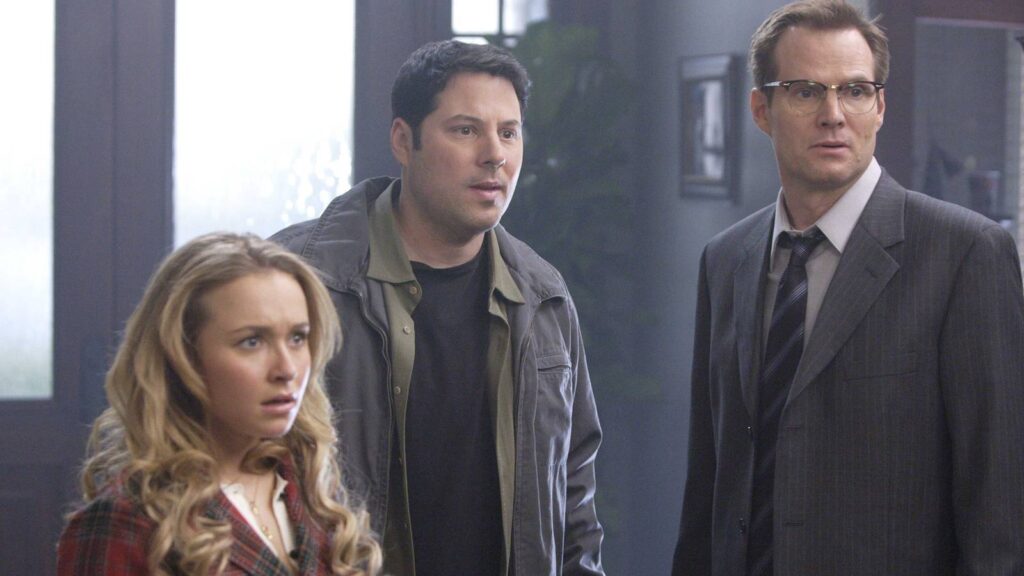
Heroes (2006–2010) followed ordinary people who discover extraordinary abilities, weaving together multiple storylines across a shared universe. Premiering before Marvel Studios dominated superhero narratives, the series was groundbreaking in its scope and serialized approach.
The first season was a success both in terms of viewership and critical reception, earning Emmy nominations. The ensemble cast included future stars like Hayden Panettiere and Milo Ventimiglia, both of whom became closely associated with the show’s success. Although later seasons struggled creatively, Heroes remains influential for proving that superhero television could attract mainstream audiences.
Teen Pop Phenomenon: Hannah Montana
Hannah Montana (2006–2011) influenced an entire generation. Centered on a teenage girl living a double life as an ordinary student and a famous pop star, the series blended sitcom humor with musical performance, appealing directly to Disney Channel’s core audience.
The show’s impact was massive, propelling Miley Cyrus to international stardom and dominating merchandise sales, soundtrack charts, and ratings. Hannah Montana transcended its role as a kids’ entertainment show, defining a generation of youth television and modernizing Disney’s pop-star pipeline.
Science Fiction and Spin-Off Success: Torchwood
One notable UK import for science fiction television was Torchwood (2006–2011). Created as a more adult spin-off of Doctor Who, the show followed a secret organization investigating extraterrestrial threats on Earth, led by Captain Jack Harkness, played by John Barrowman.
Despite limited crossovers with Doctor Who, Torchwood gained cult status among international sci-fi fans. Its third season, Children of Earth, is often regarded as one of the strongest science fiction miniseries ever made. The show elevated John Barrowman’s profile and demonstrated that genre spin-offs could successfully target older audiences.
Complex Antiheroes: Dexter
Dexter (2006–2013) focused on a forensic analyst who moonlights as a serial killer targeting other murderers. The concept was controversial, but the execution turned it into one of Showtime’s most successful original series.
The show consistently drew strong ratings, and its popularity led to numerous limited series revivals. Michael C. Hall’s performance earned critical acclaim, including a Golden Globe win, and helped define the era of morally complex TV protagonists. Despite a divisive finale, Dexter‘s enduring popularity confirms its cultural relevance.
Behind-the-Scenes Comedy: 30 Rock
Created by Tina Fey, 30 Rock (2006–2013) offered a behind-the-scenes look at a fictional sketch comedy show. Its rapid-fire jokes, industry satire, and absurd humor set it apart from traditional sitcoms.
The series earned widespread critical acclaim, winning multiple Emmy Awards for Outstanding Comedy Series. It marked a major turning point in Tina Fey’s career as a television creator and showrunner. While its ratings were modest, 30 Rock thrived through cultural influence, shaping modern workplace comedies.
Inclusive Storytelling: Ugly Betty
Adapted from a Colombian telenovela, Ugly Betty (2006–2010) followed a young woman navigating the cutthroat fashion industry while staying true to herself. The show blended comedy, melodrama, and social commentary.
America Ferrera’s award-winning performance as Betty launched her career. The series was praised for its diversity, positive messaging, and distinctive visual style. Ugly Betty stood out for centering a Latina lead, helping broaden representation in mainstream primetime comedy.
Community and Ambition: Friday Night Lights
Set in a small Texas town, Friday Night Lights (2006–2011) explored community, identity, and ambition through the lens of high school football. The series became one of the most acclaimed dramas of its era, sustained by critical praise and passionate fan support.
The series earned a Peabody Award and multiple Emmy nominations. Known for its realism and emotional depth, many of the show’s cast got their big breaks here. Friday Night Lights is often cited as one of the greatest TV dramas ever made.
British Comedy Export: The IT Crowd
The IT Crowd (2006–2013) followed socially awkward tech workers navigating office life with absurd humor and exaggerated stereotypes. Though British in origin, it found a devoted audience worldwide.
With its memeable moments and relatable humor, The IT Crowd continues to find new fans. Its success highlights the global appeal of British comedy and its ability to transcend cultural boundaries.
As these shows celebrate their 20th anniversaries, their enduring influence on television and popular culture remains evident. From redefining genres to launching careers, the legacy of 2006’s television lineup continues to resonate with audiences today.