




The Human Immunome Project, a groundbreaking global initiative, aims to revolutionize our understanding of the immune system. Spearheaded by Jane Metcalfe, Executive Chair of the project, this ambitious five-year endeavor seeks to map the human immune system in unprecedented detail. The ultimate goal is to integrate this knowledge into clinical practice, akin to the transformative impact of genomics and proteomics on modern medicine.
In a recent conversation with Chris Smith, Metcalfe elaborated on the project’s innovative approach. “It’s a system way of thinking about immunology,” she explained, emphasizing the need to view the immune system as a dynamic, interconnected network rather than isolated components. This holistic perspective considers the interplay between molecules, cells, tissues, and organs, as well as their interactions with other bodily systems such as the genome and microbiome.
Understanding the Immune System in Four Dimensions
The Human Immunome Project distinguishes itself by adopting a four-dimensional model of the immune system. Unlike traditional studies that focus on individual immune cells like B cells and T cells, this initiative explores how these components interact and evolve over time. Metcalfe highlighted the importance of systems biology, a concept emerging from the tech industry, which leverages big data to uncover complex biological patterns and mechanisms.
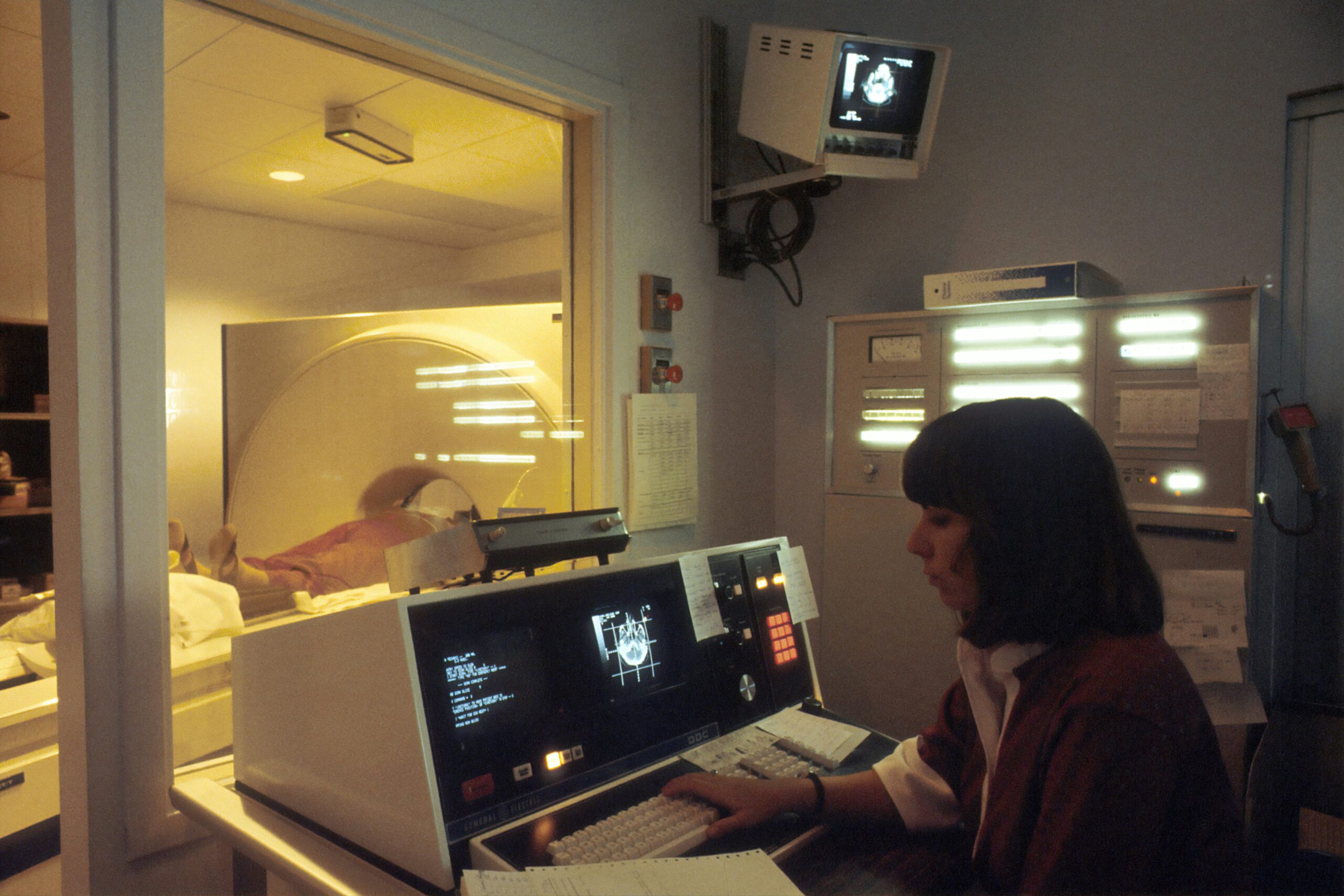
Chris Smith drew a parallel to neuroscience, suggesting that the project’s approach is akin to analyzing an MRI scan of the entire brain rather than isolated brain cells. Metcalfe agreed, noting that this comprehensive view allows for a deeper understanding of the immune system’s role within the broader context of human health.
From Baseline to Dynamic Response
One of the project’s core objectives is to establish a detailed baseline of an individual’s immune state. This involves collecting molecular-level data across all immune system actors, far surpassing the capabilities of standard blood tests. By tracking these baselines over time, the project aims to observe how the immune system responds to various challenges, such as infections or vaccinations.
“We’re really driving at immune response variability,” Metcalfe explained. “Why do some people brush off COVID, and other people die?” The project plans to sample participants multiple times over five years, allowing researchers to build models that predict how the immune system will respond to future threats and aging.
Visualizing the Immune Landscape
The project also seeks to translate its scientific findings into practical applications for clinicians and patients. Drawing inspiration from the Human Genome Project, Metcalfe envisions a future where immune system data can be as accessible and actionable as genetic information. This involves creating visual readouts that allow individuals to compare their immune profiles with broader population data, offering insights into their health status and potential risk factors.
“What if decoding the patient’s immunome was like the 21st-century version of a stethoscope?” Metcalfe mused, highlighting the project’s potential to transform medical diagnostics.
Global Collaboration and Future Implications
The Human Immunome Project’s ambitious goals extend beyond scientific discovery. Metcalfe plans to present the initiative at the World Economic Forum in Davos, seeking to engage global leaders in discussions about the future of healthcare. By fostering collaborations with health, governmental, business, and policy leaders, the project aims to catalyze a movement towards a more integrated, technology-driven approach to medicine.
This initiative represents a significant step forward in harnessing technology to enhance scientific understanding and improve patient outcomes. By decoding the immunome and tracking its changes over time, the project hopes to offer new insights into disease prevention and management, ultimately paving the way for personalized medicine tailored to an individual’s unique immune profile.
As the Human Immunome Project progresses, its findings could redefine how we approach health and disease, offering a new lens through which to view the intricate workings of the human body. With the potential to impact countless lives, this pioneering effort underscores the transformative power of scientific innovation and collaboration.