




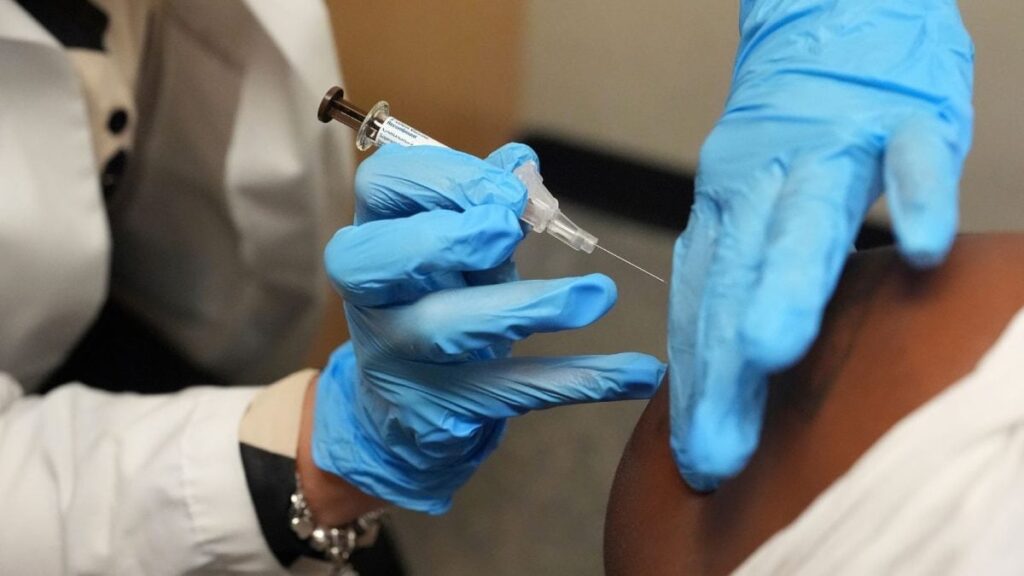
HPV vaccination can prevent multiple cancers, and experts are keen to break down its safety, risks, and the importance of gender-neutral shots. For many parents, making decisions about vaccines comes with a slew of questions—especially when the conversation shifts to long-term health and safety. The HPV vaccine, recommended for pre-teens and adolescents, often sparks hesitation because it is associated with cancer prevention rather than routine childhood illnesses. Yet, medical experts assert it is one of the most thoroughly studied and safest vaccines available today, capable of dramatically reducing the risk of several cancers later in life.
Oncologists emphasize that the vaccine isn’t just preventive care; it’s early cancer protection. This development follows years of extensive research and global monitoring, reinforcing its status as a critical public health tool.
What Doctors Say About Safety
“The HPV vaccine has one of the highest safety profiles among vaccines recommended for adolescents. It has been given to millions of children worldwide for many years, and no association with long-term problems such as infertility, immune system diseases, or neurological diseases has been detected,” said Dr. Darshana Rane, Consultant Medical Oncology at HCG Cancer Centre, Borivali.
Dr. Rane noted that most side effects are mild and short-lived—typically pain or redness at the injection site, low-grade fever, fatigue, or dizziness that resolve within 24 to 48 hours. A brief observation period after vaccination is advised, as some children may feel light-headed.
“The side effects are well outweighed by the long-term benefits of preventing many cases of cancer later in life,” she added.
Echoing this, Dr. Raman Narang, Medical Oncologist at MOC Cancer Care & Research Centre, Lajpat Centre, New Delhi, explained that HPV vaccines undergo the same rigorous scrutiny as other childhood immunizations. He said, “Before approval, they are studied in large clinical trials, and after approval, they continue to be monitored worldwide for rare side effects. More than 15 years of global use show that serious side effects are very rare.”
Why Timing Matters: The 9–14 Window
Experts recommend vaccinating children between the ages of 9 and 14, before any potential exposure to the virus. According to Dr. Rane, children in this age group mount a stronger immune response, allowing long-lasting protection with fewer doses. Put simply, earlier vaccination equals better immunity. This approach reframes the HPV shot not as a later-life precaution, but as proactive cancer prevention.
HPV Vaccine Is Not Just for Girls
A common misconception is that HPV vaccination is only relevant for girls because of cervical cancer. Doctors say this view is outdated.
“The vaccine should not be considered a girls-only vaccine,” Dr. Narang said. While cervical cancer risk remains significant, boys also play a key role in transmission and face their own health risks. He added, “We are now seeing cancers of the throat, anus, and penis in men due to high-risk HPV. These are often diagnosed late because there is no routine screening.”
Vaccinating boys, he explained, helps protect them directly while also reducing community spread. When both genders are vaccinated, herd immunity develops, lowering infection rates across the population. “This is why many countries have introduced gender-neutral vaccination,” he noted.
A Long-Term Investment In Health
For families weighing the decision, oncologists stress that the HPV vaccine offers something rare in medicine: the chance to prevent cancer before it begins. With a strong safety record, minimal side effects, and protection that can last decades, it is increasingly viewed as essential rather than optional.
In the bigger picture, it’s not just about avoiding a virus today—it’s about safeguarding a child’s future health tomorrow. As more countries adopt gender-neutral vaccination policies, the hope is that HPV-related cancers will become a thing of the past, offering a healthier future for the next generation.