


February 14, 2026 — 5:00am
A behind-the-scenes battle is unfolding between airlines and customers over the vast amounts of data generated during the flight booking process. As artificial intelligence (AI) continues to evolve, the entity that best harnesses this information will gain a significant competitive edge.
This digital shift is rooted in the evolution of flight booking systems, which have developed in tandem with the internet. During the dotcom boom thirty years ago, the rise of online ticket sales allowed low-cost carriers like JetBlue in the US and Virgin Blue (now Virgin Australia) to disrupt traditional business models. Passengers gained the power to book their own fares and compare prices, sidelining travel agents and altering the airline industry landscape.
The Rise of Online Booking
According to Ian Douglas, a senior aviation lecturer at UNSW, “Online booking moved the work to the customer.” This shift required immediate payment, effectively ending the practice of airlines holding reservations pending later ticketing.
As technology advanced, booking habits migrated from desktop computers to mobile devices and social media. The wealth of personal and consumer data available online has become a valuable asset for airlines, which they combine with insights from loyalty programs to create detailed customer profiles.
In the late 1990s, platforms like Expedia, Travelocity, and Booking.com empowered consumers to book their own tickets, reducing reliance on travel agents. This change incentivized passengers to attend their flights and significantly reduced the risk of empty seats for airlines. As a result, industry average load factors increased from about 68% in 1998 to approximately 83% in 2020.
The Evolution of Distribution Systems
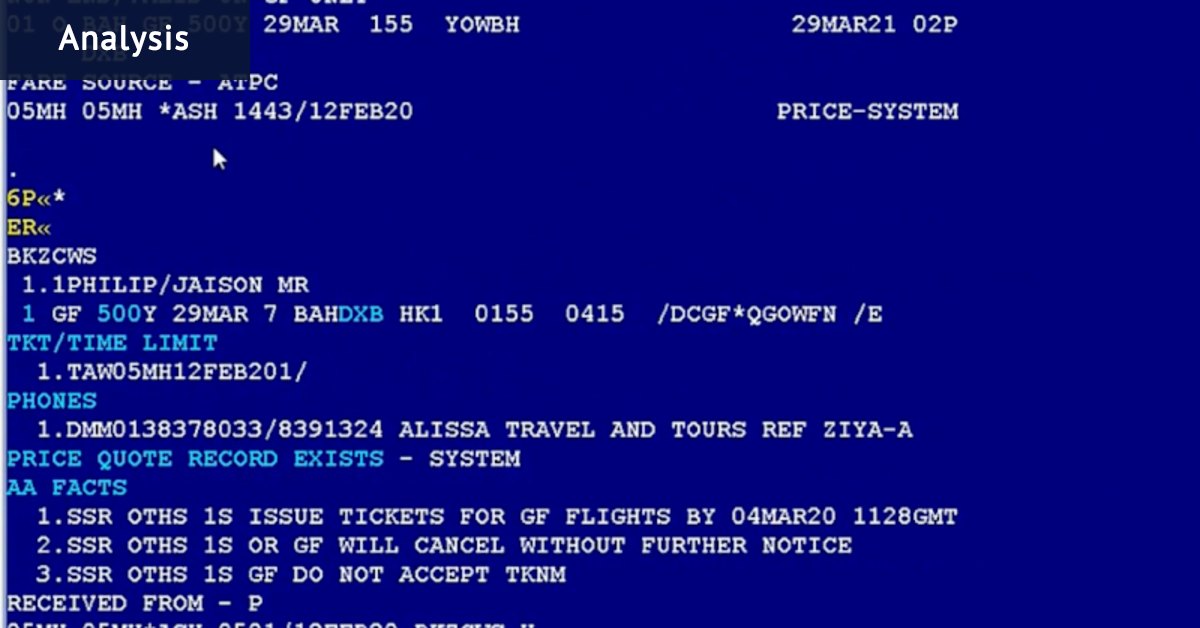
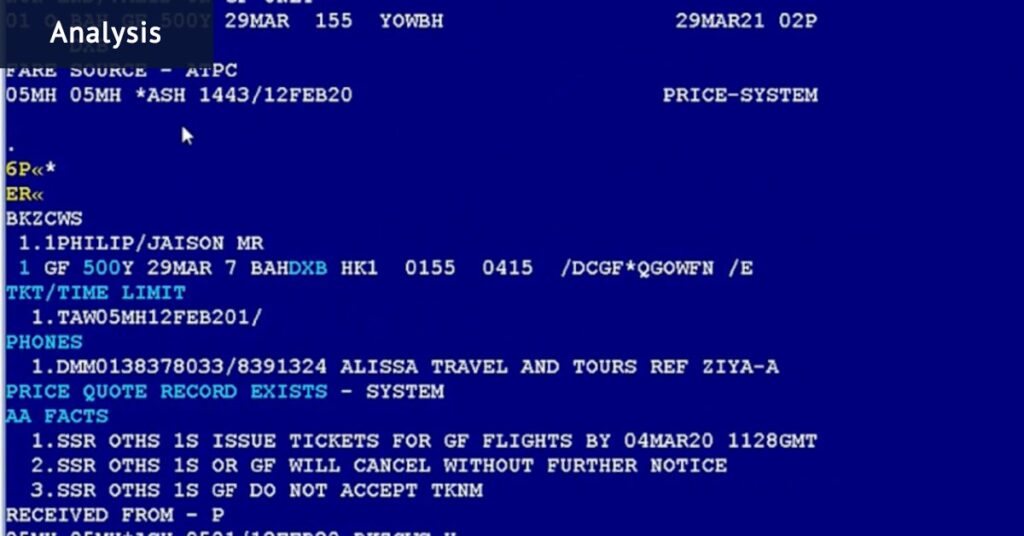
In 1998, Webjet entered the market, offering cheaper fares directly to consumers and bypassing the costly global distribution systems (GDS) that underpinned booking systems like Amadeus, Sabre, and Travelport. These systems relied on complex text-based codes, which were often incomprehensible to the average person.
Airlines in the US were quick to adopt mobile technology, creating apps for the iPhone and establishing direct relationships with consumers through their websites. This model fostered the growth of low-cost airlines, with JetBlue launching in 1998 and rapidly expanding by offering no-frills, point-to-point flights.
Over time, consumer behavior shifted across all airlines, including larger legacy carriers like Qantas, American, Delta, and United. As the internet became more integrated into the aviation industry, a tug of war emerged between consumers and airlines, each benefiting from successive waves of technological innovation.
The Impact of AI and New Distribution Capability
Former Qantas CEO Alan Joyce highlighted the challenge posed by AI in a speech, stating, “If airlines don’t own the customer interface in the age of AI, someone else will, and we’ll become just the plumbing behind the platform.”
The launch of Google Flights in 2011, alongside platforms like Skyscanner and Kayak, brought the power of the internet closer to ticketing by providing aggregate price comparisons. In 2012, the International Air Transport Association introduced the New Distribution Capability (NDC), a travel data transmission standard designed to replace the outdated GDS, which struggled to handle the personalized detail now common in orders.
While NDC allows airlines to communicate more effectively with travel agents, its implementation has primarily benefited larger airlines. According to Corporate Traveller, over 95% of its corporate travel customers use NDC, though uptake elsewhere remains uncertain.
Travel futurist Carolyn Childs questions the significance of NDC amid technological disruption, suggesting that AI may overtake it but acknowledging that it creates a common language for other systems to operate. Accelya, an aviation retail software provider, reported that nearly 50% of airline NDC programs failed due to insufficient scaling and lack of dedicated teams.
The Future of Airline Data and AI
NDC promised airlines greater control over inventory and pricing strategies, shifting power away from intermediary travel agencies and websites. Airlines could adjust prices instantly based on demand, bypassing the limitations of the fixed-price model. This transformation aimed to make airline product sales resemble modern online retail.
In the current AI-driven era, automated pricing shifts occur without human oversight, introducing the concept of offer-order. In this model, a unique offer is made to an individual customer, becoming an order upon selection. Childs describes offer-order as the point where consumer and market needs converge.
Despite concerns about privacy and “surveillance marketing,” experts like Australian Travel Industry Association CEO Dean Long are skeptical that technology will lead to such targeting. While airlines can identify customer “personas,” they still struggle to achieve truly individualized marketing experiences.
“There will continue to be this tug of war between the consumer and the airline that won’t go away.” — Carolyn Childs
As technology evolves, the question remains: who will benefit more, airlines or passengers? Childs suggests that while businesses currently hold the advantage, AI’s potential for disruption could level the playing field. The tug of war between consumers and airlines persists, with each side seeking to leverage technology for their gain.