

In the final days of June last year, Hospitality Tasmania donated $217,000 to the Liberal Party, just before new donation disclosure rules took effect. The Australian Electoral Commission (AEC) returns, released on Tuesday, reveal that these contributions were made between June 27 and 30. New laws requiring donations over $1,000 to be disclosed within seven days commenced on July 1.
The timing of these donations has sparked a debate about transparency and influence in Tasmanian politics. The state election was announced on June 11 and held on July 19, a period during which the Tasmanian Liberals received a total of $5.1 million for the 2024-25 financial year. In comparison, Tasmanian Labor collected $2.8 million, while the Tasmanian Greens received $981,000. Hospitality Tasmania also contributed $20,000 to Labor before the election.
Motivations Behind the Donations
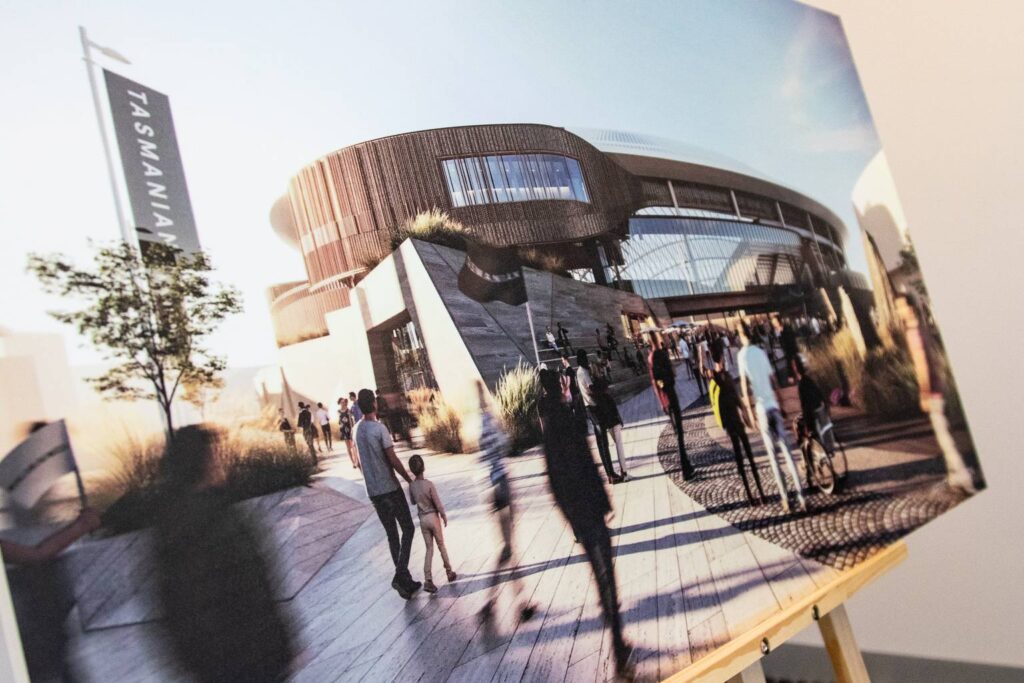
According to Ben Carpenter, president of Hospitality Tasmania, the donations were driven by policy positions regarding the now-approved Hobart stadium, rather than party allegiance. Carpenter emphasized the industry’s commitment to supporting candidates and parties that align with their economic interests.
“Our donations are driven by policy, not politics,” Carpenter stated. “We have a responsibility to our 700-plus members and everyone employed in hospitality to support candidates and parties who support our industry.”
Carpenter further explained that the scale of donations reflected the alignment with Liberal candidates on significant economic opportunities, such as the Macquarie Point stadium and the Tasmanian AFL team. These projects, he noted, promise substantial benefits for hospitality, tourism, and job creation across the state.
Accusations of Influence and Timing
However, the timing of these donations has not gone without criticism. The Greens have accused the hospitality industry of strategically timing their contributions to avoid public scrutiny during the election campaign. Hobart MLC Cassy O’Connor expressed concerns about the lack of transparency, stating that voters deserved to know about these donations before casting their votes.
“It stinks to high heaven,” O’Connor said. “Tasmanians deserved to know the donations made to the Liberals during the election campaign and what favors were bought before they cast their vote.”
Greens MP Vica Bayley echoed these sentiments, suggesting that the donations were intended to buy influence and policy outcomes. “Let’s be real. [Hospitality Tasmania] isn’t just giving these massive donations to the Liberals for the sake of charity,” he remarked.
Government and Industry Responses
In response to the controversy, government minister Jo Palmer highlighted the importance of transparency in the donation process. She assured Tasmanians that the disclosure of donations ensures public awareness of political contributions.
“Organisations, associations and individuals donate to political parties as they see fit and the important thing here is that it is really transparent,” Palmer said. “The people of Tasmania know who is donating to who and that’s a really important aspect of the case.”
Meanwhile, Angelo Fraraccio, a board member of Hospitality Tasmania, defended the donations as a collective voice of the sector. He reiterated the industry’s commitment to advocating for projects that would benefit their members and the broader community.
“We were very clear before, during and after the election that a stadium that could bring more events, business events and sport to our state was a must and we would stand up for our industry as it would be a boon for our members,” Fraraccio stated.
Looking Ahead
The debate over political donations in Tasmania underscores a broader conversation about the role of money in politics and the transparency of such transactions. As the state continues to navigate its economic future, the influence of industry contributions will likely remain a contentious issue.
As Tasmania moves forward with significant projects like the Hobart stadium and the Tasmanian AFL team, the impact of these developments on the local economy and political landscape will be closely watched. The hospitality industry, for its part, vows to continue advocating for initiatives that support its growth and sustainability.