


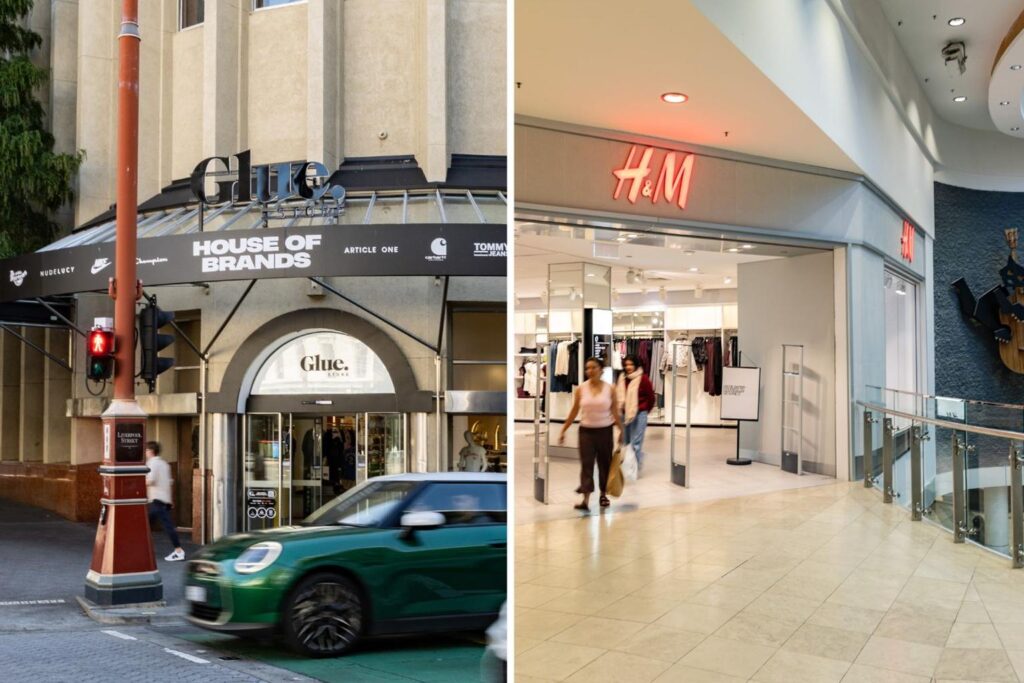
H&M and Glue Store are set to close their locations in Hobart’s Central Business District (CBD), leaving two significant retail spaces empty in the heart of the city. The global fashion retailer H&M confirmed that its Collins Street store, which connects to the Cat and Fiddle Arcade, will shutter its doors on April 2. This decision follows a comprehensive review of its store network and the conclusion of its lease agreement.
The Hobart H&M store, which opened in 2018 on the former Harris Scarfe site, has been a key player in the local retail landscape. Meanwhile, Glue Store, located at the corner of Liverpool and Elizabeth streets, will also cease operations. Its parent company, Accent Group, announced in late February that it would sell or close several underperforming outlets by July, with Hobart among the locations impacted.
Retail Challenges in a Changing Landscape
The closures of these stores underscore the ongoing challenges facing traditional brick-and-mortar retail businesses. According to Edwin Johnstone, chair of Business Greater Hobart, these moves reflect the intense pressures from online shopping and rising operational costs.
“This highlights how competitive retail is right now, with online shopping and rising costs affecting decisions about physical stores,” Johnstone remarked.
The retail sector has been undergoing significant transformations, driven by the rapid growth of e-commerce and changing consumer preferences. The shift has forced many retailers to reassess their physical store presence and adapt their strategies to remain viable.
Impact on Hobart’s Retail Scene
The departure of H&M and Glue Store from Hobart’s CBD raises concerns about the vitality of the city’s retail environment. These closures not only leave prominent spaces vacant but also pose challenges for maintaining consumer confidence in the area.
Johnstone emphasized the importance of quickly reactivating these vacant shopfronts to sustain the vibrancy of the CBD. “The real issue isn’t just the closure, it’s how quickly we can reactivate the space and keep confidence in the CBD strong,” he said.
Efforts to fill these spaces with new tenants or innovative retail concepts will be crucial in ensuring that Hobart’s city center remains an attractive destination for shoppers and businesses alike.
Looking Ahead: Strategies for Revitalization
The closures of H&M and Glue Store are part of a broader trend affecting retail centers worldwide. As cities grapple with the challenges of empty storefronts, strategies for revitalization become increasingly important. This includes attracting diverse businesses, enhancing the shopping experience, and integrating technology to meet modern consumer demands.
Experts suggest that cities like Hobart could benefit from a mix of retail, dining, and entertainment options to create a more engaging urban environment. Additionally, supporting local businesses and fostering community events could help draw foot traffic back to the city center.
As Hobart navigates these changes, the focus will be on leveraging its unique characteristics to adapt to the evolving retail landscape. The city’s ability to innovate and respond to these challenges will determine its future success in maintaining a vibrant and thriving CBD.
In the coming months, stakeholders, including local government, businesses, and community groups, will need to collaborate to develop effective solutions that address the immediate impacts of these closures and lay the groundwork for long-term growth.