



A controversial Islamic group, Hizb ut-Tahrir, has declared that the government “cannot ban” its ideas, despite facing potential jail time under proposed hate speech laws set to be debated in parliament. The announcement comes after Home Affairs Minister Tony Burke identified Hizb ut-Tahrir as one of two groups targeted by new legislation following the Bondi Beach terror attack.
The proposed laws, released to the public on Tuesday, aim to streamline the process for the federal government to designate organizations as prohibited hate groups. Once designated, it would become a criminal offense, punishable by up to 15 years in prison, to be a member or provide any support to such organizations.
Hizb ut-Tahrir’s Defiance
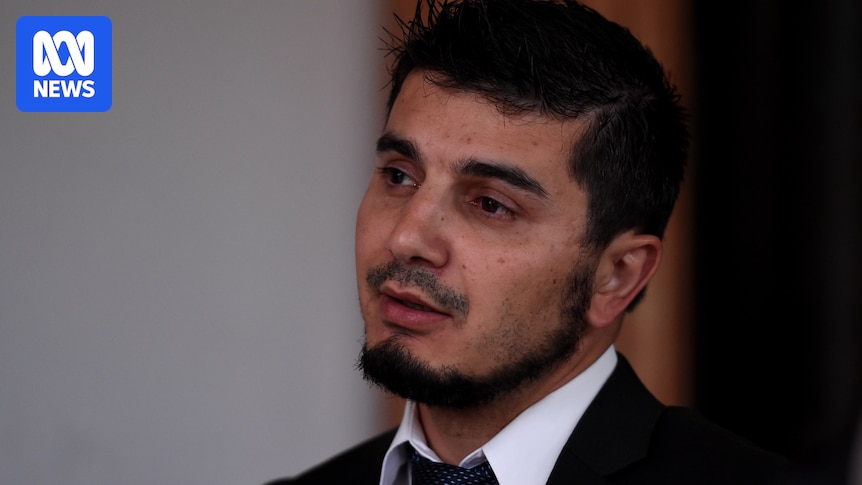
When questioned about the possibility of imprisonment, Hizb ut-Tahrir spokesperson Wassim Doureihi insisted that the group was “neither hateful nor violent.” He emphasized that Hizb ut-Tahrir represents “a set of ideas rooted in Islam,” during an interview with the ABC.
“Despite the retrospective and draconian nature of proposed hate speech laws, Hizb ut-Tahrir stands by its record as neither hateful nor violent,” Mr. Doureihi stated.
Meanwhile, the National Socialist Network, the other group named by Mr. Burke, announced its decision to disband preemptively, aiming to protect its members from prosecution. The decision was communicated via a statement on Telegram, signed by prominent neo-Nazi Thomas Sewell.
Historical Context and Government Response
Hizb ut-Tahrir’s defiance is not without precedent. The group has been banned in several countries, including the UK, Pakistan, and Indonesia, due to its controversial rhetoric and activities. In Australia, the group has been a source of controversy for over a decade, often drawing criticism for its outspoken views and public statements.
In 2015, the group faced backlash after defending a Muslim man who sought to marry a 12-year-old girl. Additionally, the Lindt cafe siege gunman, Man Haron Monis, was found to have attended several Hizb ut-Tahrir events prior to the 2014 attack.
Former Prime Minister Tony Abbott once described Hizb ut-Tahrir as “un-Australian” and “un-Islamic,” expressing frustration at the inability to list them as a terrorist organization.
In response to the proposed laws, Mr. Doureihi criticized ASIO Director-General Mike Burgess for allegedly spreading “propaganda” about the group’s rhetoric on Israel. Mr. Burgess had previously told a parliamentary hearing that Hizb ut-Tahrir was “driving permission for violence” in some of its statements.
Implications and Future Developments
The proposed laws represent a significant shift in Australia’s approach to managing hate groups and could have far-reaching implications for freedom of expression and association. Critics argue that the laws could be used to stifle legitimate dissent and activism, while supporters believe they are necessary to protect national security.
As the debate continues, Hizb ut-Tahrir’s future in Australia remains uncertain. The group’s steadfast refusal to disband, coupled with its controversial history, ensures that it will remain a focal point in discussions about hate speech and civil liberties.
With the legislation set to be introduced to parliament next week, all eyes will be on the government’s next steps and the potential legal challenges that may arise. The outcome could set a precedent for how Australia balances security concerns with the protection of individual rights.