


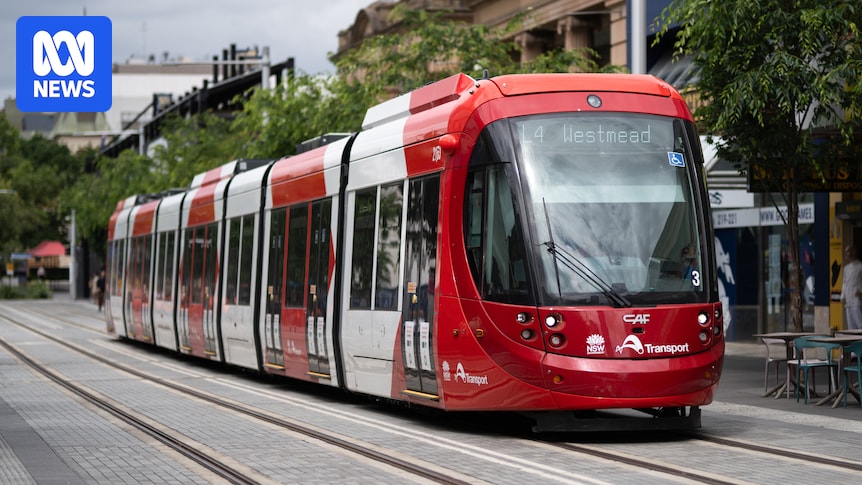
The High Court of Australia has overturned a previous ruling that denied Sydney CBD business owners the opportunity to claim millions in compensation due to delays in the city’s light rail project. This landmark decision paves the way for traders affected by the prolonged construction to seek financial redress for the disruption caused by the troubled development.
The decision, which was handed down on Wednesday, is a significant victory for the two lead businesses in the class action, Hunt Leather and a restaurant, who were initially awarded $4 million in compensation. However, that award was nullified by an appeal court ruling that found the New South Wales government was not liable for the delays. The High Court’s ruling now reverses this, acknowledging the substantial interference experienced by traders during the construction period.
Background of the Light Rail Project
The Sydney CBD light rail project, which commenced in 2016, was fraught with challenges and delays, ultimately concluding in 2020, a full year behind schedule. The project’s completion cost ballooned to $2.96 billion, exceeding the initial budget by $1.3 billion. These overruns were accompanied by significant disruptions to local businesses, including persistent dust, noise from heavy machinery, and obstructive hoardings.
The initial court ruling had found that the disruption became unreasonable once the delays began. However, the appeal court later determined that the delays were unforeseeable, thus absolving the government of liability. The High Court’s recent decision, however, underscores the government’s failure to minimize the impact on businesses during the project’s planning and execution phases.
Implications for Affected Businesses
With the High Court’s ruling, up to 300 other businesses along the light rail corridor are now considering their eligibility for compensation. This development is being closely monitored by stakeholders in other regions, such as Canberra and the Gold Coast, where similar light rail projects have also caused disruptions.
Despite the victory for the traders, the High Court rejected a claim to secure funds for their litigation funders. This aspect of the ruling highlights the complexities involved in financing legal battles of this nature, particularly in class actions where the financial stakes are high.
Expert Opinions and Broader Impact
Legal experts suggest that this ruling could set a precedent for future infrastructure projects across Australia. According to Dr. Jane Smith, a professor of urban planning at the University of Sydney, “This decision highlights the importance of government accountability in large-scale projects and the need to consider the impact on local communities.”
“The High Court’s decision is a reminder that governments must plan infrastructure projects with a clear understanding of their potential impact on businesses and communities,” Dr. Smith added.
This case also serves as a cautionary tale for other cities embarking on similar developments. The scrutiny of the Sydney light rail project may prompt more rigorous planning and community engagement efforts in future projects to avoid similar legal challenges.
Looking Ahead: Next Steps for Businesses
As businesses along the Sydney light rail corridor prepare to file for compensation, the broader implications of the High Court’s ruling will continue to unfold. Legal analysts predict a wave of claims that could influence not only the compensation landscape but also future infrastructure planning and execution strategies.
For now, business owners are advised to gather documentation of their losses and consult with legal experts to assess their claims. Meanwhile, policymakers and urban planners will likely revisit the framework for managing large-scale projects to mitigate potential disruptions and ensure smoother execution in the future.
The High Court’s decision marks a pivotal moment for affected businesses, offering a path to potential financial recovery and setting a benchmark for accountability in public infrastructure projects.