


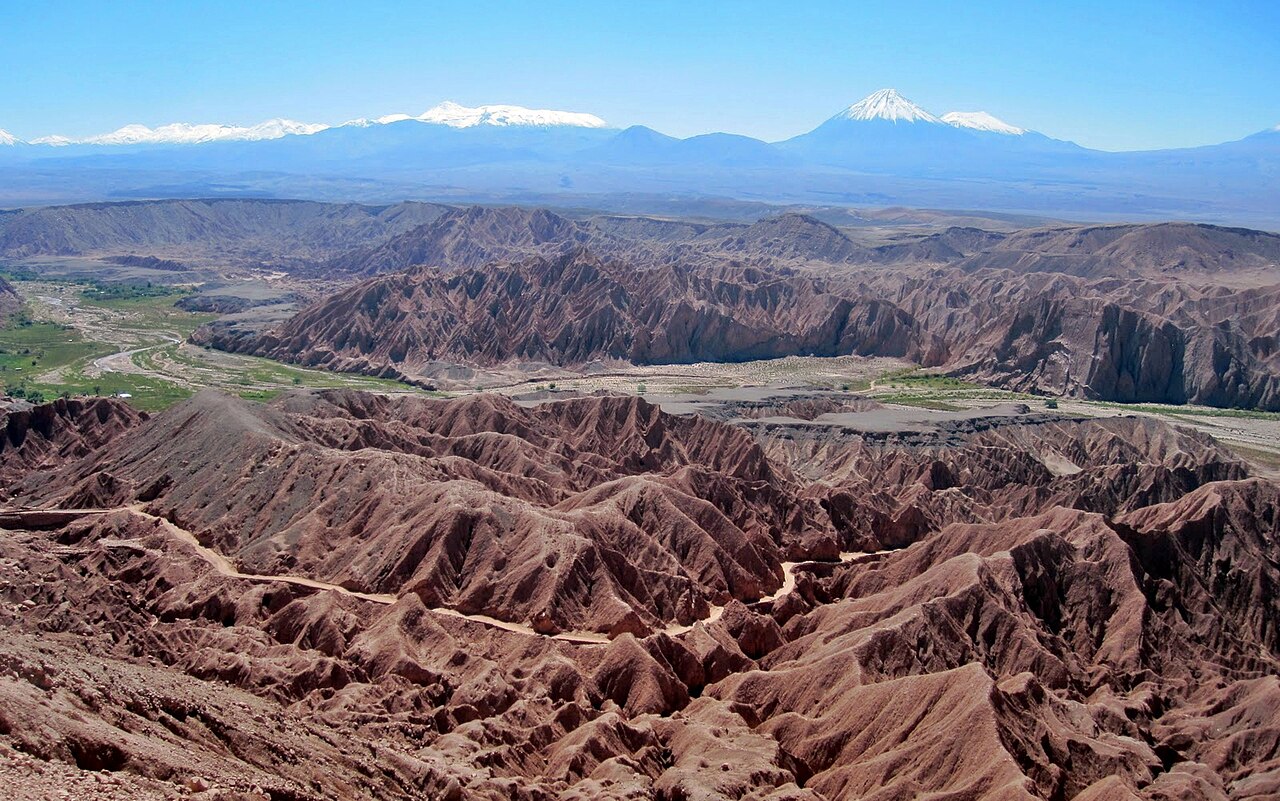

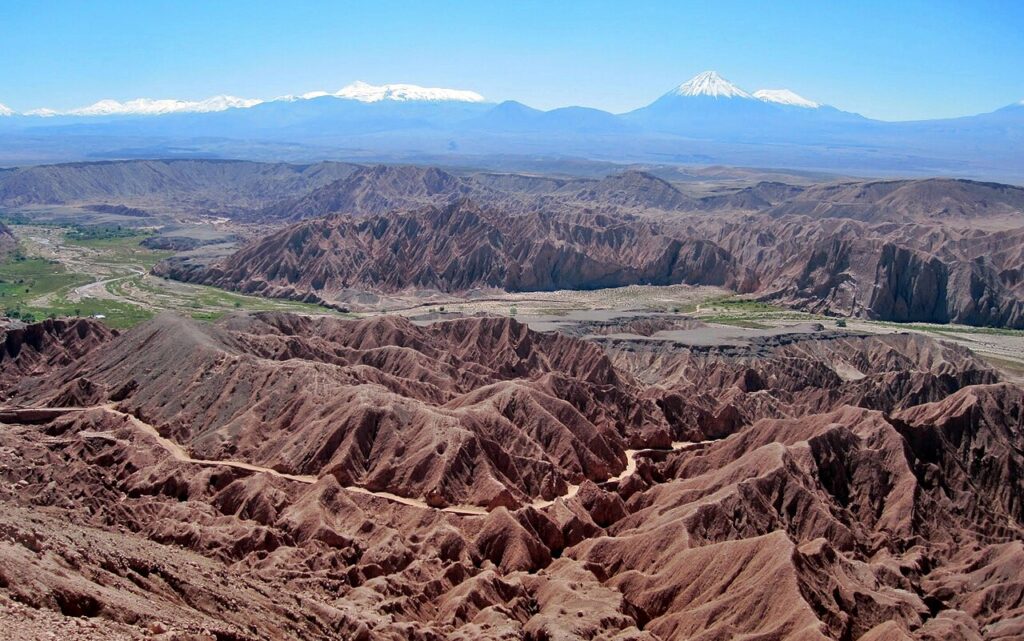
In the heart of Chile’s Atacama Desert, often hailed as the world’s driest desert, scientists have uncovered a vibrant ecosystem thriving beneath the barren surface. Recent research reveals that even in this harsh environment, diverse communities of microscopic worms are flourishing, challenging long-held beliefs about the limits of life in extreme conditions.
An international team, spearheaded by the University of Cologne, has focused its efforts on studying nematodes—tiny roundworms that inhabit the soil. Despite the Atacama’s reputation for scant rainfall and high salt content, these organisms appear to be thriving. The desert’s sharp temperature fluctuations and intense ultraviolet radiation have long been thought to limit life, yet the soil beneath tells a different story.
Unveiling the Desert’s Hidden Ecosystems
The researchers meticulously collected 112 soil samples from six distinct regions across the Atacama Desert, including sand dunes, river valleys, high mountains, saline lake shores, and fog-fed oases. Their findings were nothing short of remarkable. From these samples, 393 nematode forms were identified, with 386 genetic sequences retained for further analysis. In total, the study recorded at least 36 genera from 21 families, illustrating that roundworms are widespread across the desert’s varied habitats.
Philipp Schiffer of the University of Cologne’s Institute of Zoology emphasized the importance of soils in storing carbon and supplying nutrients. He noted that data from extreme deserts are limited, making the study of multicellular soil animals in such environments critical.
The Role of Nematodes in Soil Health
Nematodes are more than just inhabitants of the soil; they play a crucial role in maintaining its health. These organisms regulate bacterial populations, support nutrient cycling, and serve as indicators of soil ecosystem stability. The study found that biodiversity patterns in the desert follow environmental gradients, with areas receiving more rainfall supporting a greater number of genera. Temperature variations also influenced diversity.
Statistical models indicated that mean annual precipitation and temperature range are strong predictors of genus richness. Elevation emerged as the main factor linked to reproductive strategy.
Climate, Elevation, and Survival Strategies
As the research delved deeper, it uncovered fascinating insights into how these organisms adapt to their environment. At higher altitudes, nematodes were more likely to reproduce asexually through parthenogenesis. Laboratory cultures confirmed that several lineages could reproduce without males, suggesting that asexual reproduction offers an advantage in extreme habitats.
The community structure varied significantly by location. Some areas shared many nematode families, while others displayed stark differences. In certain regions, simplified soil food webs indicated a vulnerability to disturbances, highlighting the delicate balance these ecosystems maintain.
Implications for Global Aridity
The findings underscore that stable soil communities can persist even under severe aridity. As global aridity increases, understanding how biodiversity responds in the driest desert may provide valuable insights into how other arid regions could cope with environmental changes. This research not only challenges preconceived notions about life in extreme deserts but also offers a glimpse into the resilience of ecosystems facing climate change.
Looking ahead, scientists hope to expand their research to other extreme environments worldwide. By doing so, they aim to build a comprehensive understanding of how life adapts and thrives in the planet’s most unforgiving landscapes.