




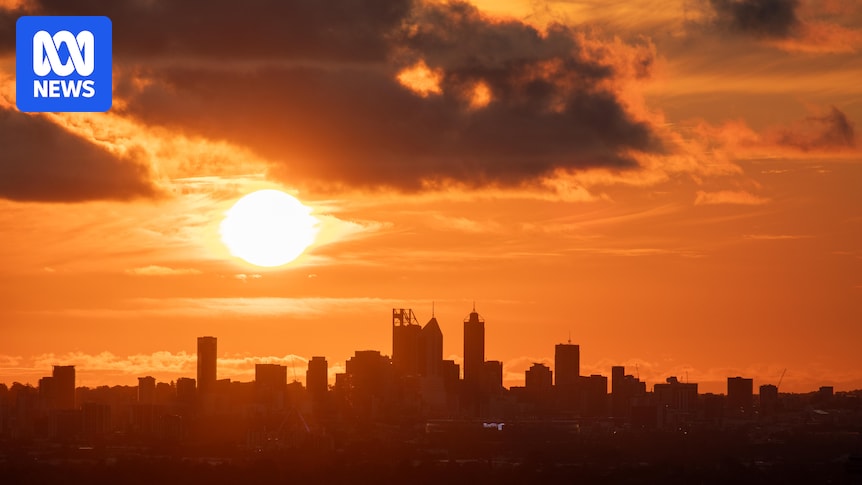
Consumer spending in Australia surged by approximately 5% during the evening hours of a recent heatwave, according to a comprehensive study analyzing 200 million bank transactions. This shift in spending behavior was observed as parts of the country endured an unprecedented heatwave in January, with record-breaking temperatures in Victoria and highs exceeding 49 degrees Celsius in New South Wales and South Australia.
The peer-reviewed study, published in Nature’s NPJ Urban Sustainability journal, highlights how Australians are adapting their spending habits to cope with extreme heat conditions. The research utilized anonymized data from Westpac Group bank card and EFTPOS transactions across Sydney, Melbourne, and Adelaide, chosen for their robust 24-hour economies.
Impact of Heatwaves on Consumer Behavior
On days when temperatures soared to 35 degrees Celsius or higher, classified as “hot days” by the Bureau of Meteorology, a significant $5.4 million drop in daytime consumer spending was recorded. Interestingly, there was no evidence that Australians altered their spending before a heatwave, but a 2.4% increase in spending was noted in the week following high temperatures.
“These findings suggest that heat shocks impose meaningful short-term disruptions to consumer activity,” the study’s authors commented.
Spending declines were most pronounced in the early to late afternoon, with a 12.1% drop between midday and 3 p.m., and a 13.3% reduction between 3 p.m. and 6 p.m. However, consumer spending rebounded significantly between 6 p.m. and 9 p.m. in the days following a heatwave.
Adapting to Heat Patterns
Dr. Shashi Karunanethy, a chief economist at Geografia and one of the study’s authors, noted that while Australians adapt their lives according to heat patterns, they find it challenging to prepare ahead of a heatwave. “People can’t easily adapt in anticipation of a climate event because they have fixed schedules for work or if they have to pick up their kids from school,” he explained.
“This is the first quantitative evidence to show that people are adapting to heat around the 24-hour economy cycle,” Dr. Karunanethy added.
Consumers tended to shop late at night during a heat event or the following morning, indicating a shift in behavior to avoid the heat.
Where Australians Spend During Heatwaves
On hot days, Australians increased their spending in certain retail categories to escape the heat. The study found that spending on bars and clubs rose by 10% between midday and 3 p.m. and remained up to 20% higher than usual until midnight. Purchases of packaged liquor, such as beer, wine, and spirits, spiked by 50% between 6 a.m. and midday during a heatwave.
Despite the assumption that air-conditioned department stores would attract consumers, the study revealed that people avoided these venues during the afternoon. “Department stores are not insulated from the climate effects even if they have air conditioning,” Dr. Karunanethy noted, emphasizing the reluctance to travel through the heat to reach these stores.
Entertainment and Dining Trends
Spending on dining dropped significantly between 3 p.m. and 6 p.m. but rebounded by 9 p.m., while “specialized food retailing” purchases at grocers, butchers, and independent food stores decreased the most between midday and 6 p.m. The study also observed declines in spending on entertainment options such as cinemas between 3 p.m. and 6 p.m., with rebounds occurring between 9 p.m. and midnight.
The Role of Night-Time Economies
Dr. Karunanethy highlighted the importance of cities embracing longer retail opening hours and developing a functional night-time economy to mitigate the economic impacts of climate events like heatwaves. “It’s sort of like a happy side benefit when cities pursue 24-hour economies,” he said, suggesting that such adaptations contribute to the overall resilience of cities.
“In a lot of regional cities and especially some capital cities, there’s constraints on being able to trade beyond a certain time and on the weekends,” Dr. Karunanethy explained. “The learning from this is that when a city is going through any climate event, losing those restrictions — even temporarily — is going to be super important.”
As heatwaves become more frequent, they are increasingly shaping consumer behavior and driving people towards different spending patterns. The question remains whether city infrastructures are prepared to accommodate these changes.