


Signs of growing division in Australia are increasingly visible. Recent events have underscored the fractures within society, from the tragic loss of fifteen Jewish Australians in a terrorist attack to violent clashes between police and pro-Palestine supporters. The political landscape is also shifting, with rising support for the One Nation party and internal conflicts within conservative circles over future directions.
New research highlights these divides. Australians, once proud of their social cohesion and distance from global conflicts, are now expressing concerns about domestic unity. A recent survey by JWS Research reveals a notable increase in the perception of division across political, economic, and social lines.
Survey Results Highlight Growing Divisions
Eighteen months ago, a JWS Research survey indicated that only 27 percent of Australians felt their society was “extremely” or “very” divided. This month, that figure has climbed to 41 percent, with an additional 45 percent agreeing that Australia is “somewhat” divided. This escalation reflects a broader sentiment of discord, particularly in the wake of international and domestic events.
The survey specifically addressed divisions on key political, economic, and social issues. While economic disparities play a role, the deepening social and political rifts have been exacerbated by recent international incidents, such as the Hamas attack on Israel and subsequent events in Gaza, along with local incidents like the Bondi atrocity and the visit of Israeli President Isaac Herzog.
Political Reactions and Pleas for Unity
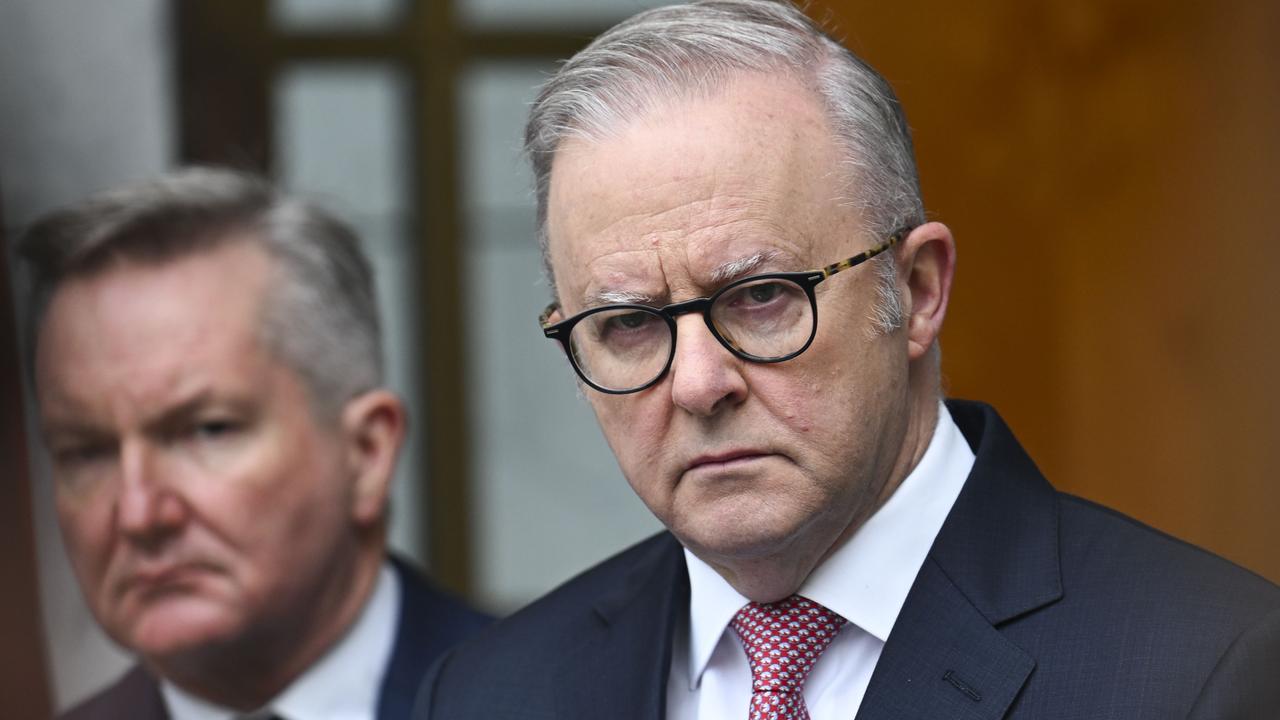
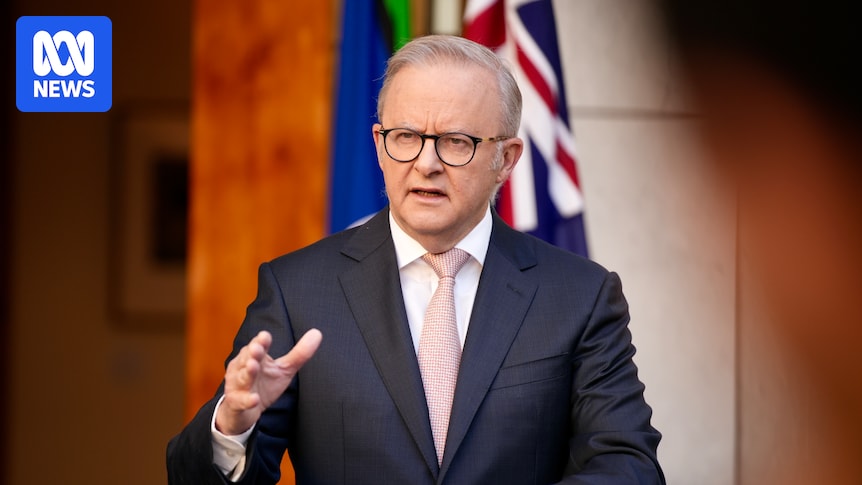
In response to these tensions, Prime Minister Anthony Albanese has been vocal in his calls for unity. Despite his efforts, he has faced criticism from various quarters. His response to the Bondi attack drew ire from some in the Jewish community, who accused him of allowing antisemitism to flourish. Conversely, his invitation to President Herzog has sparked outrage from the pro-Palestine movement and political left.
Greens MP Elizabeth Watson-Brown criticized Albanese, suggesting his actions undermined social cohesion. She questioned whether he would condemn police treatment of protesters and urged him to reconsider the invitation extended to Herzog. Albanese, however, defended his decision, emphasizing the need for dialogue and understanding.
“The debate is not advanced by people thinking it’s like a football team where you have to support 100 percent one side or the other,” Albanese stated in parliament, highlighting the importance of constructive engagement with both Israelis and Palestinians.
Historical Context and Future Implications
The current climate of division is not unprecedented in Australian history. The nation has previously navigated periods of social unrest and political polarization. However, the current situation is compounded by the global nature of the issues at hand and the rapid dissemination of information through digital platforms.
Albanese’s government has taken steps to address these challenges, including recognizing Palestinian statehood last year—a move that drew criticism from Israeli Prime Minister Benjamin Netanyahu. This policy shift, coupled with the ongoing dialogue with both Israeli and Palestinian representatives, signifies a commitment to a two-state solution.
According to the JWS Research poll, 70 percent of Australians are “concerned about tensions between different groups,” and 67 percent oppose “international disputes” impacting domestic affairs.
A Path Forward
While Albanese’s plea to “turn the temperature down” resonates with many, the path to achieving greater social cohesion remains complex. The passions driving both sides of the debate are deeply rooted, and finding common ground will require sustained effort and dialogue.
Nevertheless, the desire for unity is strong among Australians. The survey data underscores a widespread yearning for peace and cohesion, even amid current divisions. As the nation grapples with these challenges, the government’s approach to fostering dialogue and understanding will be crucial in shaping Australia’s future.
In the coming months, the focus will likely remain on bridging divides and promoting a more inclusive society. The government’s ability to navigate these turbulent times will be instrumental in determining the country’s trajectory and maintaining its reputation as a harmonious and cohesive nation.