



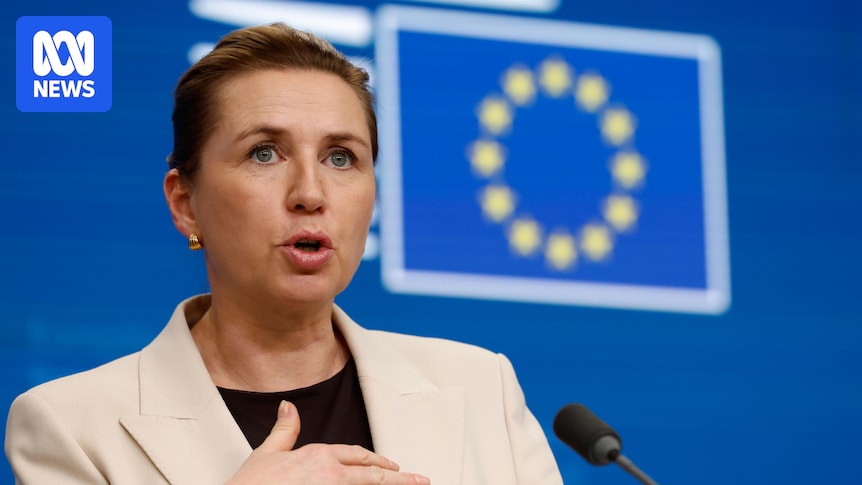
Denmark’s Prime Minister, Mette Frederiksen, has issued a stark warning that any attempt by the United States to forcibly annex Greenland would dismantle over 80 years of transatlantic security cooperation. This comes after US President Donald Trump reiterated his interest in acquiring the mineral-rich Arctic territory.
The renewed focus on Greenland follows US military actions in Venezuela, which have sparked concerns about Trump’s intentions towards the autonomous Danish territory. Greenland is strategically significant due to its untapped rare earth deposits and its potential as a key player in new shipping routes emerging from melting polar ice.
“We need Greenland from the standpoint of national security,” Trump stated on Sunday, prompting a strong rebuke from Frederiksen. She cautioned that such actions could have catastrophic consequences, including the dissolution of NATO, which has been a cornerstone of Western security since the end of World War II.
Historical Context and Strategic Importance
The North Atlantic Treaty Organization (NATO) was established in 1949, initially comprising the US, Canada, and ten Western European nations. It is the world’s largest military alliance, committed to mutual defense, with the security of its European members closely tied to that of North America.
Greenland’s strategic location makes it a critical point for missile routes between Russia and the United States. The US maintains a military base on the island, underscoring its importance. Trump’s repeated calls for US jurisdiction over Greenland, and his refusal to rule out military force, have heightened tensions.
“Let’s talk about Greenland in 20 days,” Trump remarked, intensifying fears of imminent US intervention.
International Reactions and Diplomatic Strains
Greenland’s Prime Minister Jens-Frederik Nielsen has firmly rejected any US pressure, urging Washington to “back off” and calling for renewed diplomatic engagement. European countries and the EU have quickly rallied to support Denmark, emphasizing the importance of territorial integrity.
Denmark’s ambassador to Washington, Jesper Moeller Soerensen, highlighted ongoing cooperation with the US to enhance Arctic security. Meanwhile, French and British leaders have voiced their support for Denmark, with French Foreign Ministry spokesperson Pascal Confavreux asserting that “borders cannot be changed by force.”
Escalating Tensions and Global Implications
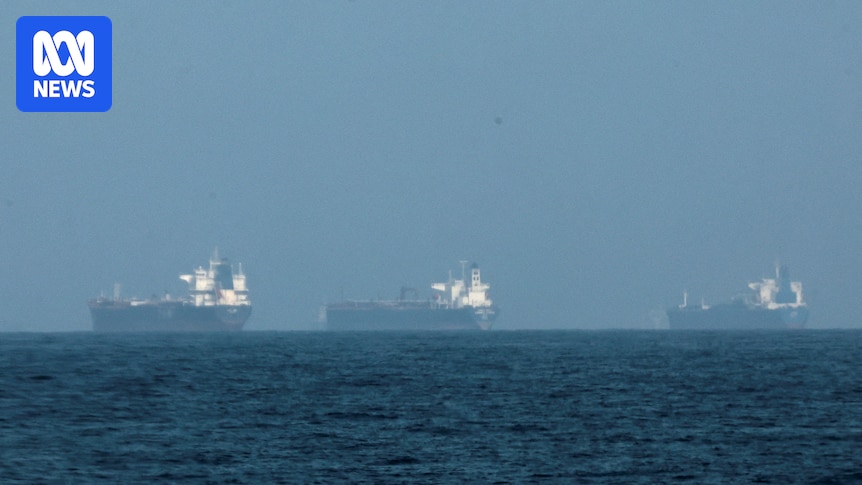
The US’s capture of Venezuelan President Nicolás Maduro has rattled European leaders, with Washington declaring its intent to manage Venezuela’s vast oil reserves. This move has drawn parallels with Trump’s increasing pressure on Greenland, as he claims Russian and Chinese ships are “all over” the territory’s coast.
China’s Foreign Ministry has criticized the US for using the “so-called China threat” as a pretext for its actions. Aaja Chemnitz, a Greenlandic representative in the Danish parliament, accused Trump of spreading misinformation about foreign military presence.
German Foreign Minister Johann Wadephul suggested NATO could consider bolstering Greenland’s defenses, while EU spokesperson Anitta Hipper reiterated the bloc’s commitment to member states’ territorial integrity.
UN Concerns and Future Outlook
During an emergency United Nations Security Council session, Trump’s actions in Venezuela and the potential for expanded military interventions were widely condemned. UN Secretary-General Antonio Guterres expressed concern over the destabilization of Venezuela and the precedent it sets for international relations.
China’s deputy UN envoy, Sun Lei, condemned the US’s unilateral actions, while US Ambassador Mike Waltz defended the operation as a “surgical law enforcement” effort. The US, as a permanent Security Council member, holds veto power, complicating potential UN responses.
As tensions mount, the international community remains on edge, with diplomatic efforts underway to prevent further escalation. The situation underscores the delicate balance of power in the Arctic and the broader geopolitical implications of territorial ambitions.