



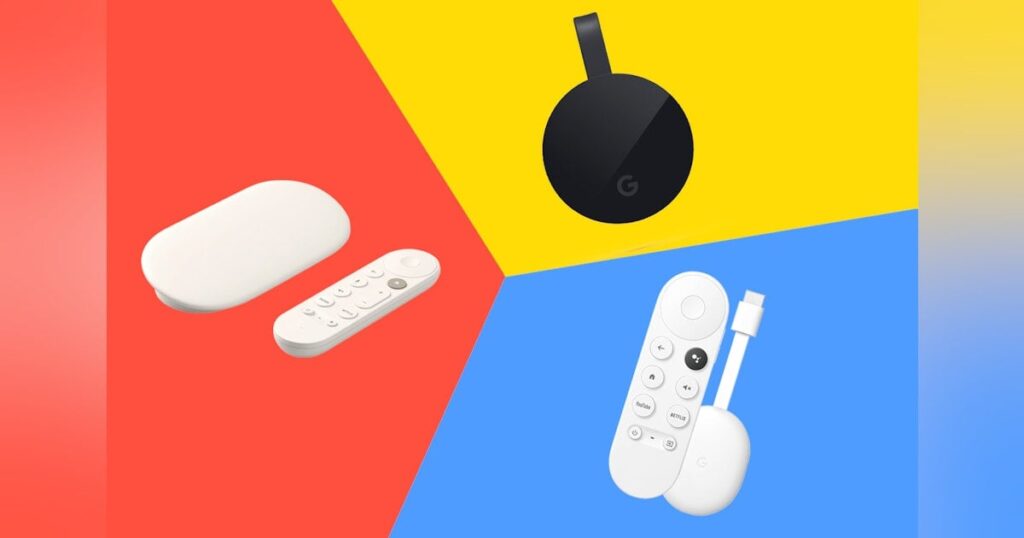
In the ever-evolving world of digital streaming, Google’s Chromecast once stood as a revolutionary device, allowing users to cast content from their smaller screens to their televisions. However, as technology advanced, the Chromecast has been phased out, making way for its successor, the Google TV Streamer. This transition marks a significant shift in how users interact with streaming technology, offering a more integrated and user-friendly experience.
The original Chromecast, introduced in 2013, was a simple dongle that connected to the HDMI port of a television. It enabled users to wirelessly stream content from their mobile devices or computers, provided they were on the same WiFi network. This innovation was a game-changer, as it eliminated the need for cumbersome physical connections and allowed for seamless streaming. However, as of 2024, Google has discontinued the Chromecast line, paving the way for the more advanced Google TV Streamer.
The Rise and Fall of Google Chromecast
Google Chromecast was a pioneer in the streaming device market. Between 2013 and 2024, it provided a cost-effective way to transform any HDMI-equipped screen into a smart display. Early models relied heavily on mobile devices or web browsers for playback controls, but later iterations introduced voice control via Google Assistant and even remote controls with user interfaces.
Despite its popularity, with over 100 million units sold worldwide, Google decided to discontinue the Chromecast in 2024. The decision reflects the broader shift in consumer expectations and technological advancements. Users now demand more integrated solutions that offer not just casting capabilities but also a comprehensive interface for managing multiple streaming services.
Enter Google TV Streamer: A New Era
The Google TV Streamer represents the next step in streaming technology. Building on the foundation laid by Chromecast, it offers a more robust set-top box solution. Unlike its predecessor, the Google TV Streamer comes equipped with a remote control and a full-fledged user interface, making it comparable to other set-top boxes like Fetch TV and Foxtel IQ.
The device supports a wide array of apps, including popular streaming services like Netflix, Disney Plus, and YouTube, as well as sports apps such as DAZN and Kayo Sports. This versatility ensures that users can access a broad spectrum of content, all from a single device. The Google TV Streamer (4K) also supports up to 4K resolution, providing high-quality streaming for modern televisions.
Key Features and Comparisons
While the Chromecast offered basic streaming capabilities, the Google TV Streamer enhances the user experience with a snappy interface and a compact Voice Remote. However, it does not include an HDMI cable or Ethernet cable, relying instead on WiFi 5 for connectivity. Although some may wish for WiFi 6 or 7, WiFi 5 is sufficient for most streaming needs.
According to Google, security updates for the Google TV Streamer (4K) will be available until at least September 2029.
This extended support period ensures that users will continue to receive updates and security patches, a critical factor in the fast-paced world of technology.
Google TV Streamer vs. Chromecast: A Side-by-Side Look
For those still using a Chromecast, it remains functional, especially the later models branded “with Google TV.” However, these older devices may not receive the same level of software support as the newer Google TV Streamer (4K). The latter offers a more responsive interface and ongoing updates, making it a more future-proof option.
The price difference is notable, with the Chromecast with Google TV originally retailing at $99, while the Google TV Streamer (4K) is priced at $159.99 in Australia. Despite the higher cost, the enhanced functionality and support make the Google TV Streamer a worthwhile investment for those looking to upgrade their streaming setup.
Expert Opinions and Market Trends
Industry experts note that the transition from Chromecast to Google TV Streamer reflects broader trends in consumer electronics. As streaming becomes the primary mode of content consumption, users demand devices that offer more than just basic functionality. The integration of a user-friendly interface and remote control aligns with these expectations, providing a more holistic viewing experience.
Moreover, the discontinuation of Chromecast highlights the rapid pace of technological change. As new standards and capabilities emerge, older technologies must evolve or be replaced to meet consumer demands.
Looking Ahead: The Future of Streaming Devices
The introduction of the Google TV Streamer marks a significant milestone in the evolution of streaming technology. As users continue to seek seamless and integrated solutions, devices like the Google TV Streamer are likely to become the norm. With ongoing software support and a comprehensive range of features, it sets a new standard for what consumers can expect from their streaming devices.
As the digital landscape continues to evolve, it will be interesting to see how other companies respond to Google’s approach. The emphasis on user experience and comprehensive functionality is likely to drive innovation across the industry, benefiting consumers with more choices and better technology.