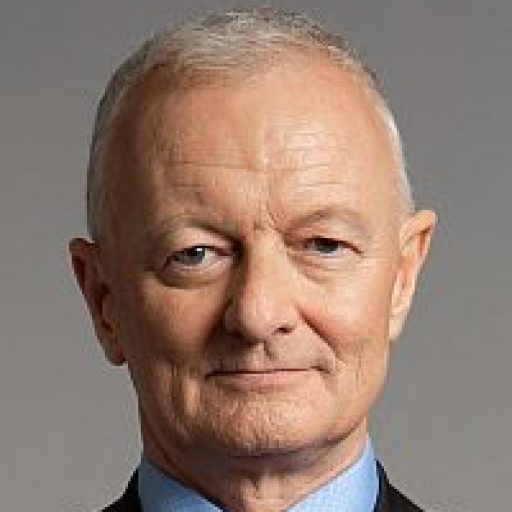




Three directors of the Walkley Foundation, including the recipient of this year’s Gold Walkley award, have resigned following a protracted internal conflict over the governance of the organization responsible for Australia’s premier journalism awards. Adele Ferguson, the foundation’s chair and this year’s top honoree, along with former Four Corners executive producer Sally Neighbour and writer Victoria Laurie, announced their resignations to board colleagues on Monday before issuing a public statement.
Their departure is the result of a two-year struggle to reform the foundation’s constitution, a move aimed at reducing the influence of the Media Entertainment and Arts Alliance (MEAA). The resigning directors had advocated for the inclusion of two independent directors to the board, a proposal rejected by the union, which instead suggested adding one MEAA-aligned director.
Background of the Conflict
The Walkley Foundation has long been under the control of the MEAA, a situation that the resigning directors sought to change. Their proposal to introduce independent governance was met with resistance, as the union countered with a plan to expand the board from seven to nine members, maintaining its influence by appointing one non-union and one union-affiliated director.
According to the resigning directors, the MEAA’s proposal was unexpected and disappointing, as it contradicted efforts to enhance the foundation’s independence and governance.
“MEAA’s proposal was both surprising and deeply disappointing. In our view, it would not advance the objectives of strengthening the Walkley Foundation’s independence or improving its governance. Instead, it would have the effect of reinforcing MEAA’s control over the board,”
the statement read.
Union’s Perspective and Response
The MEAA, however, expressed disappointment over the resignations, asserting that most contentious issues had been resolved in principle. A statement from Michael Slezak, Bianca Hall, and Kasun Ubayasiri, representing the union-aligned directors, suggested that the resigning members misunderstood the union’s final position, which included establishing term limits and maintaining the current director balance with the addition of two new directors.
The union emphasized that its constitution ensures the foundation remains under the stewardship of journalists, rather than other professionals such as lawyers, which was suggested as a way to introduce new expertise to the board. The union’s stance reflects a broader trend of taking positions on contested issues, aligning with the views of its membership.
Implications and Future Prospects
The resignations highlight ongoing tensions within the Walkley Foundation, which has been described as fractious and dysfunctional. This internal strife is not new; earlier this year, three union representatives also stepped down amid similar disputes. The foundation’s governance has been a point of contention, with calls for reform to ensure it aligns with best practices.
Ferguson, Neighbour, and Laurie expressed regret over the failure to enact their proposed reforms, citing an inability to fulfill their fiduciary duties within a flawed governance framework.
“Now that our modest reform proposal has been comprehensively rejected – and MEAA has responded with a counterproposal that would further entrench its control – we feel we have no option but to resign forthwith,”
they stated.
The union’s counterproposal, which includes limiting the Walkley Advisory Board chair’s term to two years and altering appointment and voting processes, raises significant governance concerns. These changes, according to the resigning directors, would weaken independent oversight and concentrate decision-making power.
Looking Ahead
The Walkley Foundation now faces the challenge of navigating these governance issues while maintaining its reputation as the custodian of Australia’s most prestigious journalism awards. The resignations could prompt further scrutiny of the foundation’s operations and governance structures, potentially leading to more significant changes in the future.
As the organization seeks to resolve these internal conflicts, the broader journalism community will be watching closely, given the Walkley Awards’ critical role in recognizing and promoting excellence in Australian journalism.