



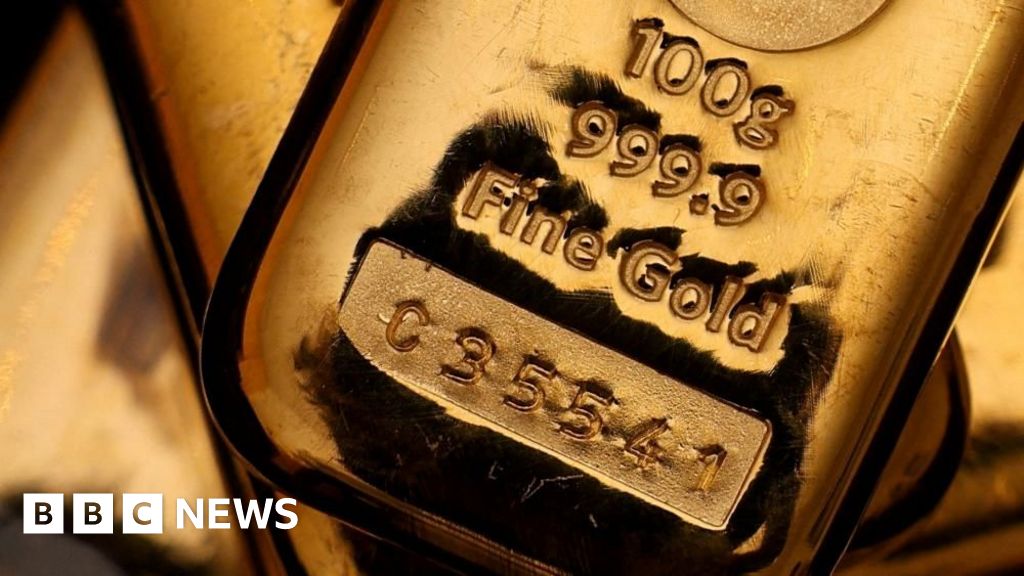
The price of gold has surged past $5,000 (£3,659) an ounce for the first time, marking a significant milestone in a rally that has seen the precious metal’s value increase by over 60% in 2025. This unprecedented rise is occurring against a backdrop of escalating tensions between the United States and NATO over Greenland, contributing to heightened financial and geopolitical uncertainties.
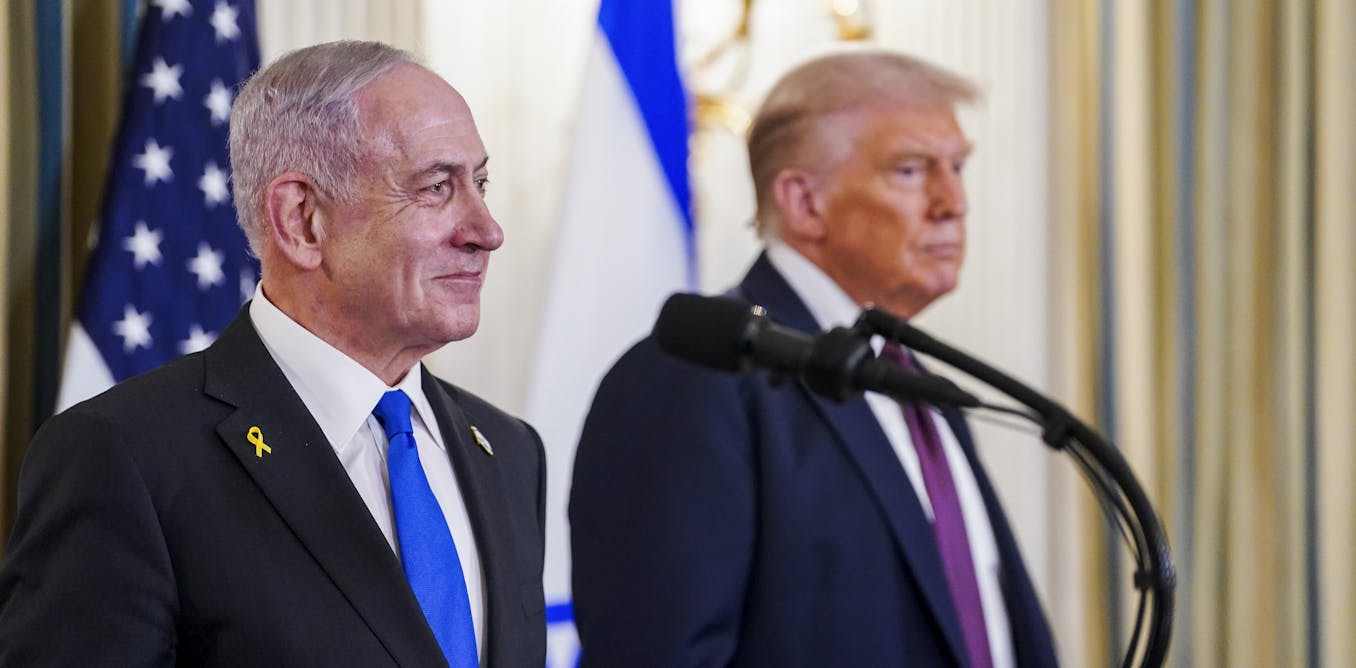
US President Donald Trump’s aggressive trade policies have further unsettled markets. Just this past Saturday, Trump threatened to impose a 100% tariff on Canada should it finalize a trade agreement with China. These developments have driven investors towards safe-haven assets like gold and silver, with the latter also reaching a historic high of $100 an ounce, building on a nearly 150% increase from the previous year.
Factors Driving the Gold Rush
The demand for gold and other precious metals is being fueled by a variety of factors, including higher-than-usual inflation rates, a weakening US dollar, and significant purchases by central banks globally. Additionally, the US Federal Reserve is expected to implement further interest rate cuts this year, which traditionally boosts gold prices as lower rates reduce the appeal of bonds and similar investments.
Geopolitical conflicts, such as the wars in Ukraine and Gaza, alongside the US’s seizure of Venezuelan President Nicolás Maduro, have also contributed to the upward pressure on gold prices. The World Gold Council reports that only about 216,265 tonnes of gold have ever been mined, a volume that could fill three to four Olympic-sized swimming pools. The US Geological Survey estimates an additional 64,000 tonnes remain in underground reserves, although the supply is expected to plateau in the coming years.
“When you own gold, it’s not attached to the debt of somebody else like a bond is or an equity where the performance of a company will drive performance,” said Nicholas Frappell, global head of institutional markets at ABC Refinery. “It’s a really good diversifier in a very uncertain world,” he added.
Historical Context and Market Reactions
Gold’s remarkable performance in 2025 echoes its biggest annual gain since 1979. Investors, spooked by uncertainties surrounding Trump’s tariffs and concerns over potentially overvalued artificial intelligence stocks, have repeatedly driven gold to new record highs. Nikos Kavlis from research consultancy Metals Focus attributes much of this trend to the extreme uncertainty surrounding US policy.
Economic concerns often lead to increased gold prices, especially when investors anticipate interest rate cuts. Lower interest rates generally mean reduced returns on bonds, prompting investors to turn to assets like gold and silver. The US Federal Reserve is widely expected to reduce its main interest rate twice this year.
“It’s inversely correlated because the opportunity cost of keeping the money in a [government bond] is really not worth it anymore, so people go to gold,” explained Ahmad Assiri, Research Strategist at Pepperstone.
Global Demand and Cultural Significance
It’s not just investors driving the gold rush. Central banks have been significant buyers, adding hundreds of tons of bullion to their reserves last year, with China, Poland, and Azerbaijan leading the charge. Kavlis notes a “very clear shift away from the US dollar,” which has significantly benefited gold.
Beyond its investment appeal, gold holds cultural significance in many parts of the world. In India, for instance, the annual Diwali festival is considered an auspicious time to purchase precious metals, believed to bring wealth and luck. According to Morgan Stanley, Indian households hold an astonishing $3.8 trillion in gold, equating to 88.8% of the country’s GDP. Neighboring China, the world’s largest single consumer market for gold, also sees increased demand during the Chinese New Year, as many believe gold purchases bring fortune.
“We often see a seasonal uptick in demand around Chinese New Year, which we are seeing at the moment to an extent,” said Kavlis, referencing the upcoming Year of the Horse which begins in February.
Future Outlook and Market Volatility
While gold’s rally continues, experts like Frappell caution that the “news-driven” market could lead to price fluctuations. “There’s got to be scope for unexpected news that actually might be positive for the world and not necessarily positive for gold,” he warned.
The ongoing global economic and geopolitical landscape suggests that gold will remain a focal point for investors seeking stability. However, as with any market, the potential for volatility remains, underscoring the importance of strategic diversification in investment portfolios.