



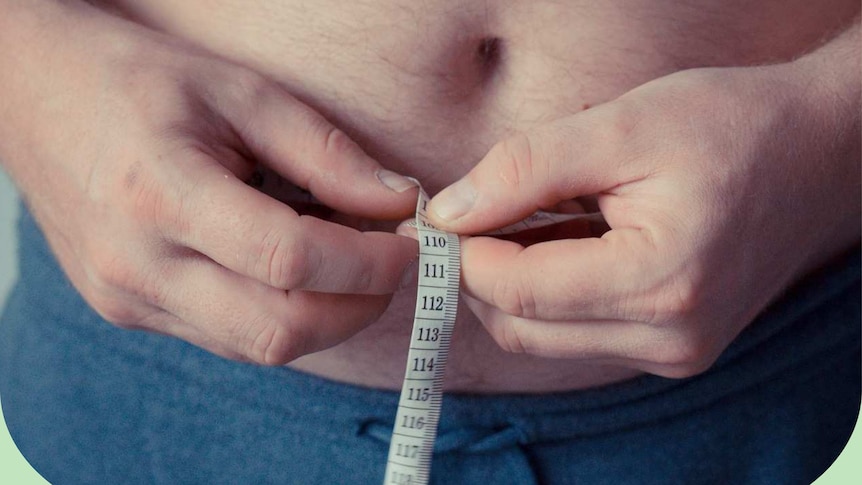
In a significant move, health experts worldwide are advocating for a shift away from the Body Mass Index (BMI) as a primary health measure. Originally developed nearly two centuries ago, BMI was never intended to serve as a comprehensive tool for assessing individual health. This push for change comes amid growing recognition of the limitations and potential harms of relying solely on BMI to gauge health status.
Willow Moscarda, a 23-year-old student from Perth, exemplifies the pitfalls of using BMI as a health determinant. Despite being classified as obese by the BMI calculator due to her breast size, Moscarda knew her health issues were not accurately represented by this metric. Her experience underscores the broader conversation about BMI’s inadequacies.
The Origins and Evolution of BMI
BMI’s origins trace back to the 19th century when Belgian scientist Adolphe Quetelet developed it to assess the body size of soldiers. It was initially known as Quetelet’s Index and was never meant to measure body fat. By the mid-20th century, it evolved into the Body Mass Index, used by nutritional scientists as a rough estimate of body fatness.
Louise Bower, a professor of Child and Adolescent Health at the University of Sydney, highlights that BMI was designed for population-level analysis rather than individual health assessment. “It’s helpful at an epidemiological level to talk about differences between populations or over time,” Bower explains. However, she notes the challenges when BMI is used to assess individual health risks.
Why BMI Falls Short
The limitations of BMI become evident when applied to individuals with unique body compositions. For instance, elite athletes with high muscle mass may be classified as overweight or obese despite having low body fat. Similarly, people from certain ethnic backgrounds may have a healthy BMI but still face health risks due to fat distribution.
“Think of the All Blacks or great rugby players,” Bower says. “They don’t have excess body fat, but if you simply used BMI, you’d run into an issue with that.” This highlights the need for a more nuanced approach to health assessment.
Case Study: Willow Moscarda
For Moscarda, the BMI’s shortcomings were personal and profound. Her disproportionately large breasts skewed her BMI, leading to body image issues and physical discomfort. When she sought a breast reduction, her general practitioner hesitated due to her BMI classification, advising her to lose weight first.
“The GP argued it wasn’t safe to have surgery when overweight,” Moscarda recalls. “But it was the breast size making me overweight.” Eventually, she found a supportive GP, underwent surgery, and experienced life-changing results.
New Guidelines and Future Directions
In response to these challenges, new guidelines are emerging to redefine obesity. These guidelines distinguish between clinical and preclinical obesity, focusing on body fat rather than BMI alone. Clinical obesity involves high body fat with existing health issues, while preclinical obesity refers to high body fat without current health problems.
Bower explains, “Two people can have the same BMI but vastly different health consequences. One might be healthy and active, while the other faces significant health challenges.” This distinction calls for tailored health interventions based on individual needs.
Despite its limitations, BMI remains a useful starting point for health assessments. “BMI is a tool that can be useful. It’s a screening tool. It’s where you start, not where you end an assessment,” Bower emphasizes. She advocates for more comprehensive evaluations that consider family history and other health indicators.
Implications and Moving Forward
The shift away from BMI reflects a broader understanding of obesity as a complex, multifaceted health issue. As obesity rates continue to rise globally, addressing the stigma associated with high BMI is crucial for encouraging individuals to seek appropriate care without fear of judgment.
“Obesity is a highly stigmatized health issue,” Bower notes. “People may feel anxious about seeking help due to blame and shame.” By adopting more nuanced health measures, the medical community can better support individuals in managing their health.
As the conversation around BMI evolves, the focus shifts toward personalized health strategies that account for the diverse factors influencing individual well-being. This approach promises a more inclusive and effective framework for addressing obesity and related health challenges in the future.