



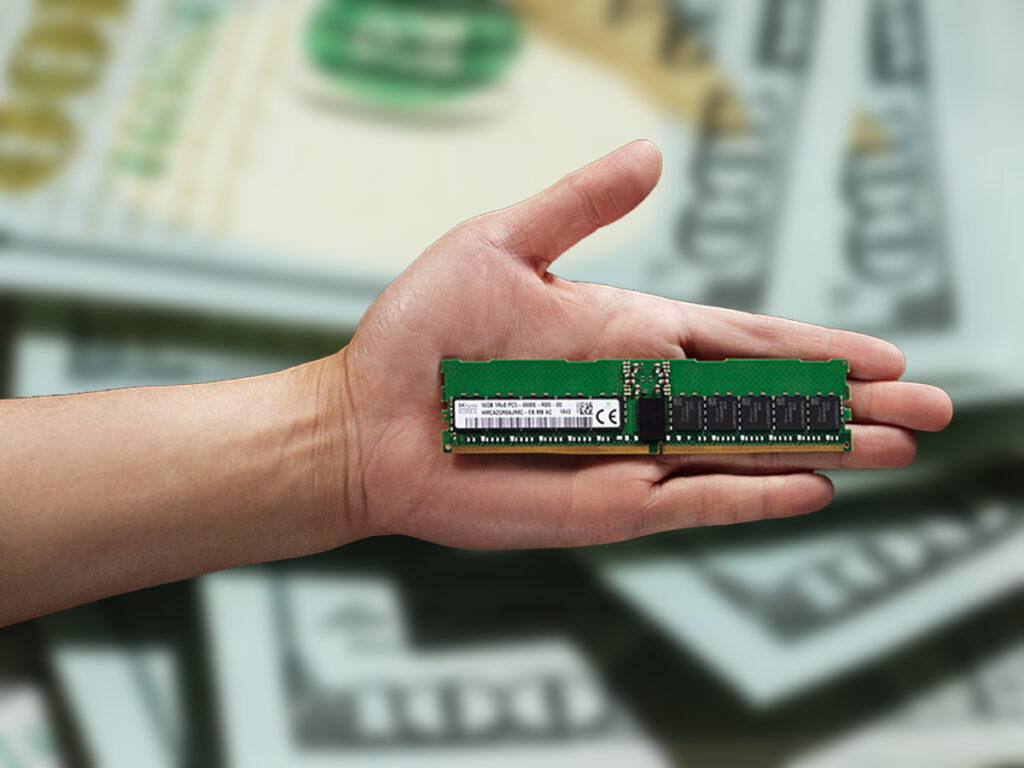
The global memory shortage, affecting both DRAM and NAND, shows no signs of abating, with industry experts predicting the crisis could extend well into 2027. As manufacturers grapple with these challenges, a burgeoning community of tech enthusiasts is exploring innovative solutions, notably the creation of DIY DDR5 RAM sticks.
According to a recent analysis by the International Data Corporation (IDC), the persistent supply chain disruptions and increasing demand for memory components have exacerbated the scarcity. This situation has compelled manufacturers to reconsider their strategies, potentially capitalizing on older technologies like DDR4 RAM to maintain profitability. However, a segment of the tech community is taking a different route, advocating for do-it-yourself RAM solutions as a cost-effective alternative.
The Rise of DIY RAM: A New Frontier
The concept of DIY RAM involves tech enthusiasts crafting their own memory sticks, akin to upgrading graphics processing units (GPUs) by soldering additional VRAM onto the board. This innovative approach requires sourcing specific components, such as printed circuit boards (PCBs) with pre-traced layouts and memory integrated circuits (ICs).
Pro Hi-Tech, a prominent tech channel, notes that these components are increasingly accessible, especially through Chinese vendors offering ready-to-solder DDR5 PCBs. Despite the potential for customization and learning, this method currently offers limited financial savings. Estimates by Pro Hi-Tech and tech influencer Viktor “Vik-On” suggest that a DIY 16 GB RAM stick could cost around 12,000 rubles, approximately $151.
Understanding the Global Memory Shortage
The ongoing memory crisis is rooted in several factors, including the COVID-19 pandemic’s impact on production lines, geopolitical tensions affecting supply chains, and the surging demand for electronic devices. As remote work and digital transformation accelerate, the need for memory components has skyrocketed, outpacing the industry’s ability to supply them.
Historically, the tech industry has faced similar challenges, such as the 1988 DRAM shortage caused by a fire at a Japanese semiconductor plant. However, the current crisis is compounded by more complex global factors, making it a particularly daunting obstacle for manufacturers and consumers alike.
Expert Opinions and Market Implications
Industry analysts emphasize the importance of diversifying supply chains and investing in new technologies to mitigate the impact of the shortage. “The memory market is cyclical, but the current situation is unprecedented in its scope and duration,” said Dr. Lisa Wang, a semiconductor industry expert. “Manufacturers must innovate and adapt to these challenges to remain competitive.”
“The memory shortage situation could persist well into 2027.” – IDC
Meanwhile, the DIY RAM movement reflects a broader trend of consumer empowerment and innovation. As more individuals experiment with building their own components, the potential for community-driven advancements in technology grows. However, experts caution that DIY solutions should be approached with care, given the technical expertise required and the risks of damaging expensive components.
Looking Ahead: The Future of Memory Technology
As the memory shortage continues, the tech industry is exploring various avenues to address the crisis. Investments in alternative technologies, such as emerging non-volatile memory solutions, could offer long-term relief. Additionally, governments and industry leaders are collaborating to strengthen supply chains and reduce dependency on single-source suppliers.
The DIY RAM trend, while not a panacea for the current crisis, highlights the resilience and creativity of the tech community. As enthusiasts push the boundaries of what’s possible, they may pave the way for more accessible and affordable memory solutions in the future.
In conclusion, while the global memory shortage presents significant challenges, it also offers opportunities for innovation and collaboration. As the industry navigates these turbulent times, the lessons learned could lead to a more resilient and adaptable tech landscape.