
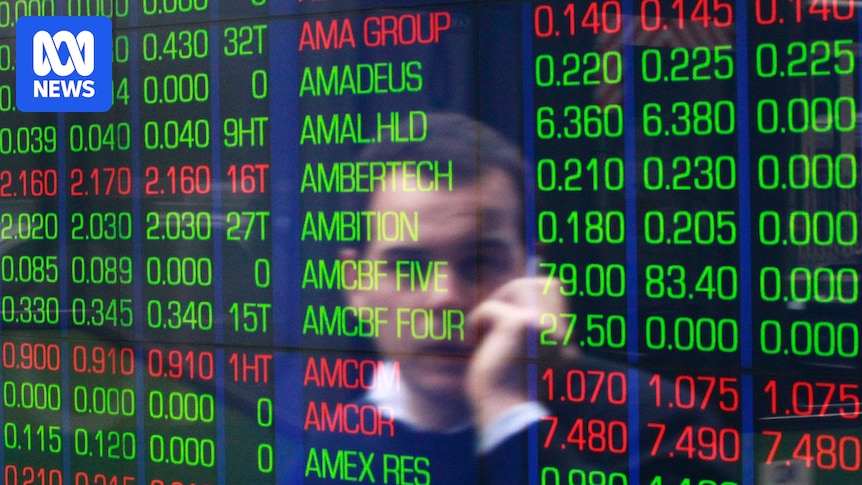
Stock markets across Europe are experiencing significant declines, with Germany’s share market plummeting 4 percent during mid-morning trading. This downturn follows a sharp increase in oil prices triggered by the closure of the Strait of Hormuz, a critical chokepoint in global oil transportation.
The closure of the Strait, through which approximately 20 percent of the world’s oil supplies pass, has sent shockwaves through the financial markets. As Europe awoke to the news, Brent crude futures surged above $82 per barrel, while benchmark European gas prices soared by about 25 percent, reaching their highest levels in over a year.
Inflation Fears Resurface
The spike in energy prices has reignited concerns about inflation, at a time when Europe’s central banks appeared to have tamed price increases following the post-COVID-19 economic recovery. The pan-European STOXX 600 index fell 2.5 percent in early trading, compounding a 1.7 percent decline from the previous day.
Investor sentiment is overwhelmingly negative, with all major sectors in the red. Declining stocks are outpacing advancing ones by a staggering ratio of 25 to 1, leaving little refuge for investors seeking shelter from the storm.
“[The] first blush ‘buy the dip’ effects are fading as global investors factor in the inflationary impact of higher energy prices for longer,” MooMoo Australia’s Michael McCarthy told the ABC.
Global Economic Implications
The potential for a prolonged conflict in the Middle East adds another layer of uncertainty to the global economic outlook. Analysts warn that a drawn-out war could severely impact economic growth worldwide, exacerbating supply chain disruptions and further inflating commodity prices.
Historically, geopolitical tensions in the Middle East have had far-reaching effects on global markets. The oil embargo of the 1970s, for instance, led to a global economic downturn characterized by stagflation—a combination of stagnant economic growth and high inflation.
Impact on Currencies and Commodities
The market turmoil is also affecting currency valuations. The Australian dollar has depreciated by over 1 percent, now trading at 70 US cents, as investors flock to perceived safe-haven assets like the US dollar and gold.
Meanwhile, commodities are seeing mixed reactions. While oil and gas prices are climbing, other sectors such as agriculture and metals are experiencing volatility as traders assess the broader economic impact of rising energy costs.
Looking Ahead
As the situation in the Middle East unfolds, market participants will be closely monitoring developments and their potential implications for global trade and economic stability. Central banks may be forced to reassess their monetary policies if inflationary pressures persist, potentially leading to interest rate hikes that could further strain economic recovery efforts.
In the coming days, investors will be keenly watching for any signs of diplomatic resolutions or escalations in the region, as well as updates from central banks regarding their inflation outlooks and policy responses.
The unfolding events underscore the interconnected nature of global markets and the delicate balance policymakers must maintain to navigate the complex landscape of geopolitical and economic challenges.