




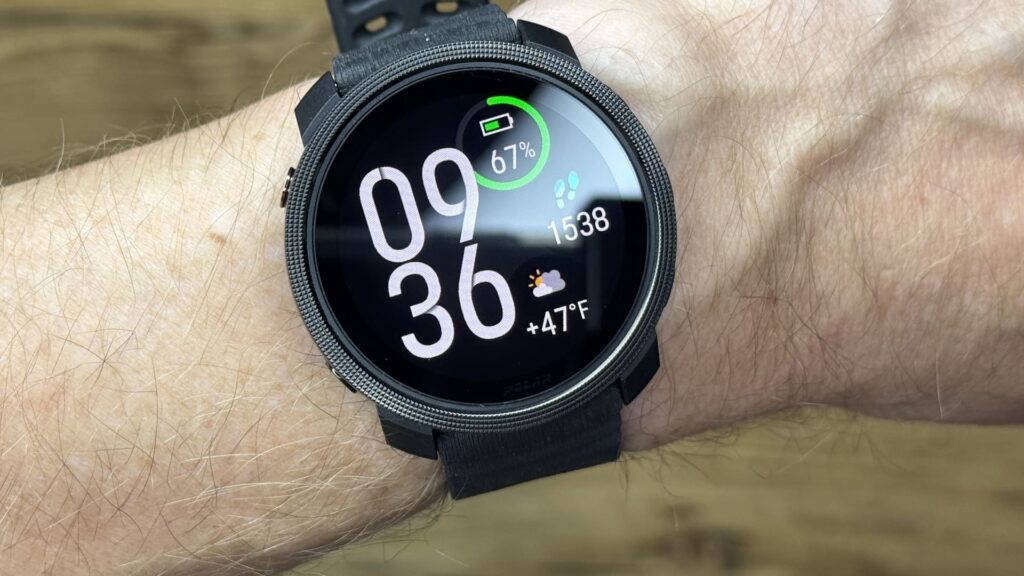
New data from Polar, the Finnish sports tech company, reveals a significant shift in global fitness habits in 2025. Users are increasingly moving away from casual, ad hoc exercise routines towards highly structured, data-driven training plans. This evolution is highlighted in Polar’s annual 2025 ‘Reflected’ year-in-review, which analyzes global user data and survey responses.
According to the report, 59% of Polar’s users adhered to a structured training plan throughout the year. This marks a major change in how sports watches are utilized, as users now leverage their devices not just to record activity, but to guide daily effort, manage intensity, and pursue specific performance goals.
Heart Rate Monitoring: The Cornerstone of Structured Training
Heart rate tracking has emerged as a key component of this more intentional approach to fitness. Polar’s analysis shows that 87% of users monitored their heart rate during exercise in 2025, using the data to ensure training occurred in the correct zones.
“Quality over quantity” is the new mantra, yet the average user still logged an impressive 301 minutes of training per week, indicating high levels of sustained engagement.
Diversity in training also saw a significant increase, with over 150 different activity types recorded globally, ranging from traditional endurance sports to strength training and niche indoor workouts.
Running and Event-Driven Fitness Trends
Running continues to be a dominant force shaping these fitness habits. Polar identified April 27th as the most popular running day of the year globally, coinciding with major international events like the London Marathon. This supports the notion that mass-participation races serve as powerful motivators for training behavior, even among non-elite runners.
The trend of “event-driven fitness” appears poised to persist. Polar’s survey data indicates that 52% of users plan to participate in an organized race in the future, suggesting that the shift towards goal-oriented training is a long-term change rather than a fleeting trend.
Implications for the Fitness Industry
While Polar has not announced new hardware in this report, the data underscores the brand’s recent focus on software advancements, particularly in recovery tracking and training load guidance. These tools are designed to support the structured training approach highlighted in the report.
The announcement comes as the fitness industry continues to evolve rapidly, with technology playing an increasingly central role. Experts suggest that the integration of data-driven insights into personal fitness regimens could lead to improved health outcomes and greater satisfaction among users.
According to a fitness industry analyst, “The move towards structured training reflects a broader trend of personalization in health and wellness, driven by advancements in wearable technology.”
Looking Ahead: The Future of Fitness
As we look to the future, the implications of these findings are significant. The emphasis on structured, data-driven training is likely to influence how fitness products are developed and marketed. Companies may increasingly focus on creating devices and software that offer personalized insights and guidance to meet the growing demand for tailored fitness solutions.
Meanwhile, the continued popularity of organized races and events suggests that community and shared goals will remain important motivators for many fitness enthusiasts. As technology continues to advance, the potential for even more personalized and effective training experiences is vast.
In conclusion, 2025 marks a pivotal year in the evolution of global fitness habits, with structured, data-driven training taking center stage. As the industry adapts to these changes, individuals and companies alike will need to embrace new technologies and approaches to stay ahead in this dynamic field.