


At a time when the global conversation is dominated by concerns over the decline of democracy, the impact of elections—both recent and upcoming—is proving to be a significant force in shaping world events. From Japan to Israel, and beyond, these political contests are influencing regional dynamics and international relations.
This week, overshadowed by news from Washington and the Middle East, Japan’s election result has significant implications for the region and Australia. Meanwhile, landmark parliamentary elections in Bangladesh, Moldova, and Portugal have either countered Russian interference or resisted the European far-right’s influence. Additionally, a complex web of upcoming elections in the United States, Israel, Ukraine, and the UK is exerting considerable influence over current events.
Japan’s New Leadership and Regional Implications
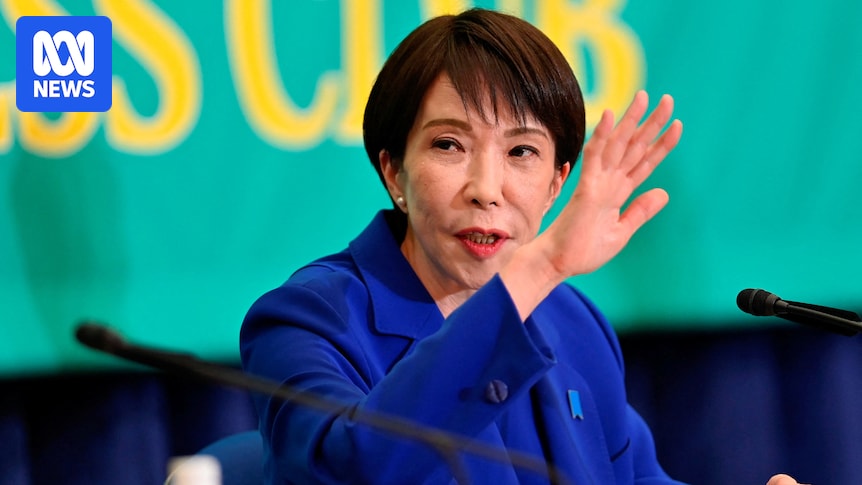
Japan’s election saw the rise of its first female prime minister, Sanae Takaichi, whose parliamentary dominance suggests a potential shift in the regional power balance. This comes as the clock ticks closer to a time when many analysts believe China may act on Taiwan. Takaichi has indicated Japan might intervene in the event of a Chinese military blockade of Taiwan, a stance that China has criticized.
Since taking office last October, Takaichi has escalated defense spending and even broached the idea of Japan acquiring nuclear weapons. Her election victory is being framed as a public endorsement of her policies, raising questions about how Japan and South Korea might position themselves in the near future and the broader implications for regional stability.
“Japan’s defense strategy is evolving rapidly under Takaichi, signaling a potential shift in the Asia-Pacific power dynamics,” said Dr. Akira Sato, a political analyst at Tokyo University.
Amid global uncertainties, Japan’s moves reflect a broader trend of world leaders repositioning themselves in a landscape no longer dominated by the United States, despite its continued influence.
Netanyahu and the Complex Israeli Political Landscape
This week, Israeli Prime Minister Benjamin Netanyahu met with former U.S. President Donald Trump at the White House. The meeting, devoid of the usual ceremonial fanfare, was advanced due to planned U.S.-Iran negotiations. Netanyahu’s absence from key events, including the AIPAC conference, has fueled speculation about potential U.S.-Israeli strategies regarding Iran.
Israel faces a potential early election due to a budget crisis, with ultra-Orthodox coalition members threatening to block the national budget unless military service exemptions are formalized. Netanyahu’s political standing is precarious, with polls indicating no clear path to power.
“Netanyahu’s regional strongman image is at stake if the U.S. does not act on Iran,” noted Israeli political commentator Yossi Klein Halevi.
The Israeli government’s recent aggressive actions in the West Bank, including settlement expansions, are seen as attempts to solidify far-right support. However, Trump’s opposition to West Bank annexation complicates these efforts, highlighting the intricate dynamics at play.
Ukraine’s Electoral Prospects Amid Conflict
In Ukraine, the prospect of elections has surfaced despite the ongoing conflict. Reports suggest preparations are underway under U.S. pressure, but President Volodymyr Zelenskyy insists elections will only occur with security guarantees and a ceasefire with Russia.
The upcoming U.S. midterms could significantly impact Ukraine’s future, given Trump’s stated desire to end the war swiftly should he return to the White House.
“The U.S. midterms may prove decisive for Ukraine, as American political shifts could alter the course of the conflict,” said Dr. Olena Shevchenko, a Ukrainian political scientist.
UK Political Stability and the Epstein Files
In the UK, Prime Minister Keir Starmer’s government faces challenges over the appointment of Peter Mandelson, a former associate of Jeffrey Epstein. The crisis has been temporarily diffused, partly due to the lack of viable alternatives and the focus on upcoming elections, including a by-election and significant votes in Scotland and Wales.
As the world grapples with political and military turmoil, the enduring power of elections continues to shape global narratives, underscoring the importance of democratic processes even amid widespread institutional challenges.