

As the clock struck midnight on the island of Kiritimati, the remote Pacific nation of Kiribati became the first country to welcome the year 2026. This annual event marks the start of a global wave of New Year celebrations that will sweep across time zones over the next 26 hours.
Kiritimati, an atoll in Kiribati, celebrated the new year at 10:00 GMT. The island is part of a nation composed of 33 atolls, which collectively span over 3.5 million square kilometers of the Pacific Ocean. The unique geographical positioning of Kiribati means it is one of the first places on Earth to ring in the new year.
Kiribati’s early celebration is a result of a significant change made in 1994 when the country altered its time zone across the international date line. This adjustment ensured that all 33 islands shared the same date, unifying the nation’s calendar and facilitating synchronized celebrations.
The Global Countdown: When Midnight Strikes Around the World
As Kiribati leads the world into 2026, other nations prepare to follow. Here is a timeline of when some countries will celebrate the arrival of the new year, using UK time as a reference:
- New Zealand – 11:00 GMT
- Most of Australia’s East Coast – 13:00 GMT
- North Korea, South Korea, and Japan – 15:00 GMT
- Taiwan, Hong Kong, and China – 16:00 GMT
- Thailand – 17:00 GMT
- India and Sri Lanka – 18:30 GMT
- Russia (Moscow) – 21:00 GMT
- Ukraine – 22:00 GMT
- Germany, France, Spain, Switzerland, and Italy – 23:00 GMT
- The UK, Ghana, and Portugal – 00:00 GMT
- Brazil and Argentina – 03:00 GMT
- The East Coast of the US – 05:00 GMT
Celebrations and Traditions: A Global Perspective
New Year’s Eve is celebrated with a variety of traditions around the world. In Kiribati, as in many Pacific nations, the new year is often welcomed with communal feasts, music, and dance. These celebrations are not just about marking the passage of time but also about community and cultural heritage.
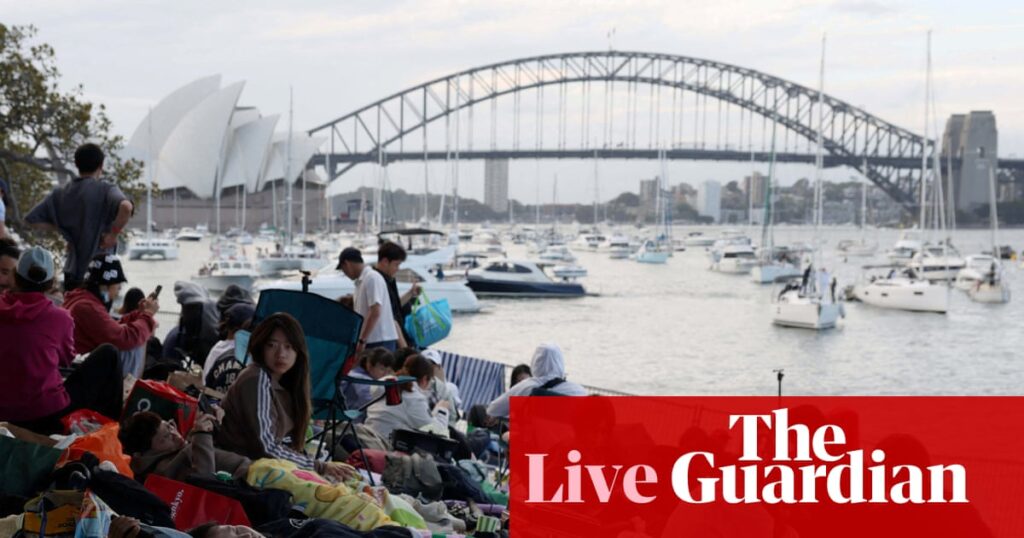
Meanwhile, in larger cities like Sydney and Tokyo, spectacular fireworks displays illuminate the skies, drawing millions of viewers both in person and via broadcasts. These events are not only a visual spectacle but also a significant boost to local economies, attracting tourists from around the globe.
Expert Insights: The Significance of Time Zones
Time zones play a crucial role in the global celebration of New Year’s Eve. According to Dr. Emily Larson, a cultural anthropologist specializing in global traditions, “The staggered celebration of New Year’s across different time zones highlights the interconnectedness of our world. It’s a reminder of our shared human experience, despite geographical and cultural differences.”
“The staggered celebration of New Year’s across different time zones highlights the interconnectedness of our world.” – Dr. Emily Larson
This interconnectedness is further emphasized by the global exchange of goodwill messages from leaders and citizens alike, fostering a sense of unity and hope as a new year begins.
Looking Ahead: The Dawn of 2026
As the world embraces 2026, many are hopeful for a year of recovery and progress. The past few years have been marked by significant global challenges, including the COVID-19 pandemic and its economic repercussions. As countries continue to navigate these issues, the new year represents an opportunity for renewal and growth.
Economists predict that 2026 could see a rebound in global markets, driven by technological advancements and increased international cooperation. Environmentalists are also optimistic, as more nations commit to sustainable practices and climate action.
As we bid farewell to 2025, the celebrations in Kiribati and beyond serve as a poignant reminder of the resilience and spirit of humanity. As the clock continues to tick towards midnight in different corners of the globe, the world stands united in welcoming a new chapter.