




The doctor asked the elderly woman about her lifestyle. She answered by taking a long drag on her cigarette. “Many doctors have recommended that I quit,” she said through curls of smoke. “But all of them have died.” The patient was Helen Reichert, and she was 100 years old at the time. Throughout her life, Reichert shared with anyone willing to listen her own peculiar secret for reaching such an age: hamburgers, chocolate, beer, cigarettes, and enjoying New York nightlife. She died at 109.
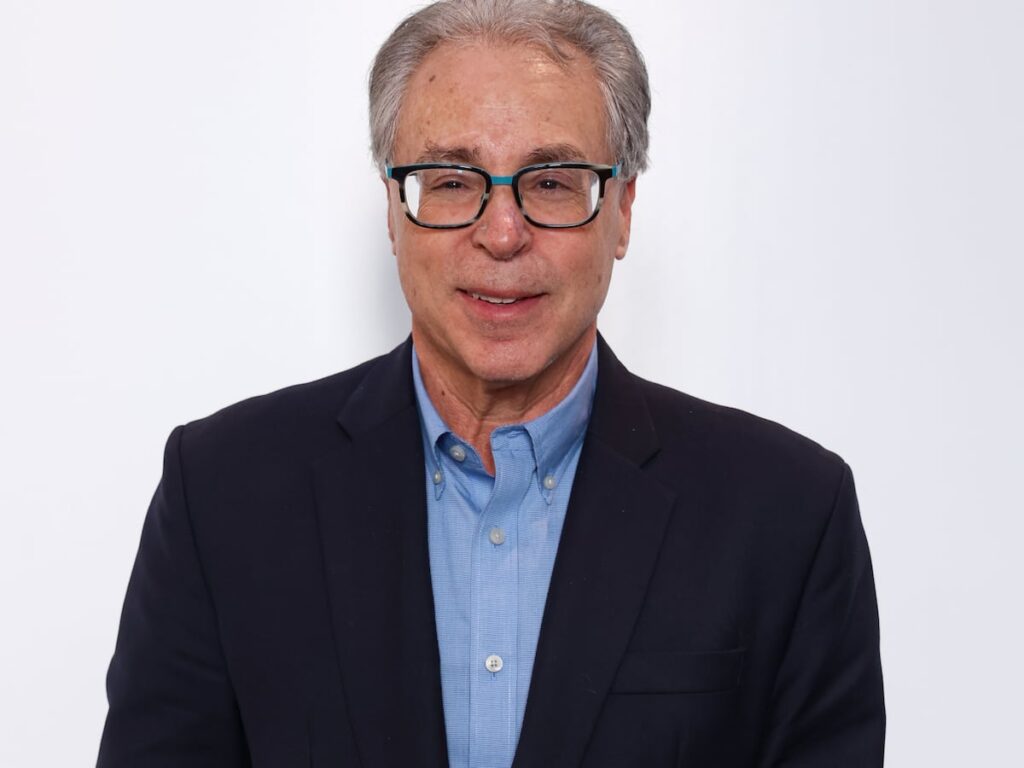
The doctor asking the question was Nir Barzilai, president of the Academy of Geroscience. Barzilai told the story in Madrid last February during his talk at the Longevity World Forum, which held its fourth edition in the Spanish capital. It wasn’t just an anecdote fit for a TED talk; it was a way of illustrating what he does. The Israeli gerontologist has been studying healthy centenarians for years and has observed that many follow a pattern similar to Reichert’s. They do not always lead a monastic, carefully balanced life. There is a great deal of biological lottery involved in longevity. But Barzilai wants to hack that lottery — to understand which numbers are the winning ones and pass them on to the rest of humanity. That is why he has sequenced the genomes of several centenarians.
Understanding Genetic Longevity
Barzilai is not a centenarian — he is approaching 70 — but he shows enviable energy, especially considering that he is a bit jet-lagged. He arrived the day before from New York, where he serves as director of the Institute for Aging Research at Albert Einstein College of Medicine. “It’s because I take pretty good care of myself,” he admits before sitting down to answer questions from EL PAÍS.
When asked about the stagnation or decline in life expectancy, Barzilai explains,
“Statistically, our maximum lifespan as a human species is 115 years. We currently die at 80, so we have a 35-year window. That is a lot, especially if they are healthy years. The question is: can we break this roof? I think so, but I give it 50 years, maybe it will happen in more accelerated rates, but not today.”
Barzilai’s research on centenarians aims to uncover the genetic factors that contribute to their longevity. He notes that while longevity was traditionally thought to be 20% genetic and 80% environmental, recent findings suggest a different balance. In centenarians, genetics may play a much larger role, possibly accounting for 80 to 90% of their longevity.
The Genetic Puzzle
The research has already identified two significant genes: CETP and APOC3. Variants in these genes have been linked to increased good cholesterol and reduced risk of cognitive decline, as well as lower triglycerides and inflammation. While drugs mimicking these effects exist, they are not widely available or recommended for the general population.
Barzilai emphasizes the importance of studying these genetic variations to develop interventions that could slow down the cellular aging process. He believes that understanding the genetic makeup of centenarians can lead to breakthroughs in extending healthy lifespans for everyone.
The Mediterranean Diet and Blue Zones
Barzilai also discussed the challenges of replicating the benefits of the Mediterranean diet and Blue Zones, areas where people live significantly longer lives. He points out that the positive effects of the Mediterranean diet are difficult to replicate outside of its native region.
“Blue Zones have an effect if you’re born there. All aging begins at conception, so it’s difficult to say, ‘Okay, let’s replicate this healthy lifestyle at 70 and see what effect it has.’”
He suggests that the combination of diet and cultural factors, such as social interactions and lifestyle habits, plays a crucial role in the longevity observed in these regions. This interaction is challenging to replicate in different cultural contexts.
Socioeconomic Factors in Longevity
Barzilai acknowledges the significant impact of socioeconomic factors on life expectancy. He notes that in every city, including Madrid, poor people live 10 to 20 years less than the rich.
“There are places where poor people don’t have access to fruits and vegetables. They can’t buy fish. They can’t afford a gym membership, or there isn’t even one in their neighborhood.”
He stresses the importance of addressing these disparities through public policies and social interventions to ensure that everyone has the opportunity to live a healthy life.
The Aging Industry and Future Prospects
The aging industry is projected to be worth $610 billion globally by 2025, reflecting significant economic interest in the field. Barzilai is an executive at the Longevity Biotech Association, which brings together companies developing drugs targeting the biology of aging. He sees this as the next frontier in biotechnology, with pharmaceutical companies recognizing the potential for long-term medications that target aging.
However, Barzilai is critical of the rise of businesses focused on immortalism and transhumanism, which he views as more fiction than science. He believes that while immortality is a compelling idea, it is not yet scientifically feasible.
Medications and Aging
Barzilai also discusses the potential of medications like metformin and GLP-1 analogs, originally intended for diabetics, to affect aging. He explains that obesity drives aging and disease, but these drugs may have broader benefits. Recent studies suggest that GLP-1 analogs could extend lifespan and potentially prevent diseases like Alzheimer’s.
Metformin, derived from the French lilac, has been associated with reduced risks of heart disease, cancer, and cognitive decline. Barzilai’s early research on metformin’s mechanisms in diabetes has informed his current work on its potential anti-aging effects.
As the field of aging research continues to evolve, Barzilai remains optimistic about the possibilities for extending healthy lifespans. He advocates for a holistic approach that considers genetic, environmental, and socioeconomic factors in the quest for longevity.