




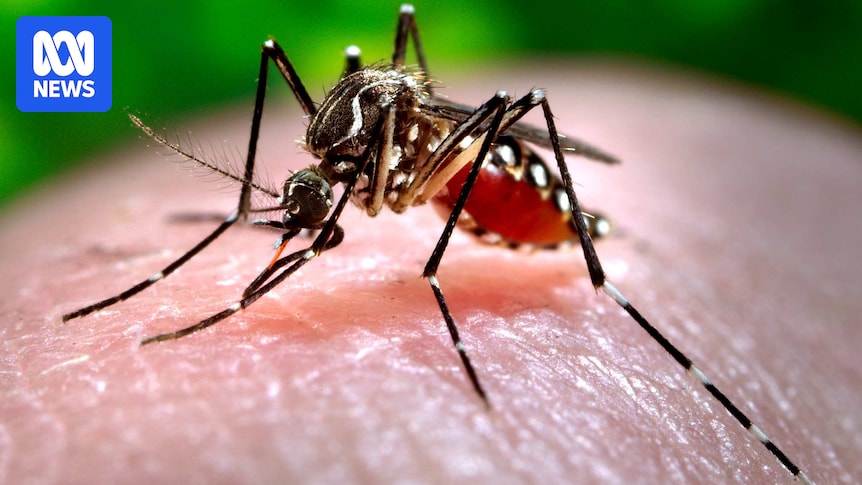
A controversial plan to release genetically modified (GM) mosquitoes in Queensland has been put on hold. The organization behind the initiative, Oxitec Australia, has withdrawn its licence application following significant backlash from scientists, health experts, and the public.
Oxitec Australia, a collaboration between Australia’s CSIRO and the US biotech firm Oxitec Ltd, intended to introduce its “friendly” mosquitoes to curb the spread of diseases such as dengue. Despite the pause, the CSIRO clarified that the decision was not due to concerns about the technology itself.
“This decision was not related to concerns about the technology itself, rather a determination made around the early stage of the company and the necessary financial requirements of holding a licence,” a CSIRO spokesperson stated.
The organization expressed its intention to resubmit a licence application in the future, emphasizing the need for more local research before proceeding.
The Science Behind GM Mosquitoes
Oxitec’s approach involves releasing male GM mosquitoes that carry a gene lethal to female offspring. Since only female mosquitoes bite and transmit diseases, the strategy aims to reduce mosquito populations and, consequently, infection rates. The company planned to import genetically modified eggs from abroad and prepare them in mosquito rearing boxes in Queensland for environmental release.
International trials have shown significant reductions in mosquito numbers, and Australian risk assessments have deemed the threat to humans and the environment as “negligible.”
Criticism and Concerns
Despite these findings, the proposal faced criticism from the One Health Special Interest Group within the Public Health Association of Australia (PHAA). The group warned of “wide-ranging unintended consequences” from the GM mosquitoes.
“If a new application comes through, we’d have to look at the risk assessment of that and the data that’s presented from a public health point of view,” said Dr. Andrea Britton, co-convenor of the association.
Dr. Britton highlighted concerns that the GM program could disrupt existing mosquito control systems, notably the use of Wolbachia, a natural bacterium currently employed in Queensland to prevent dengue spread. She also criticized the commercial sale of GM mosquito eggs, fearing a lack of control over geographic spread and potential ecosystem impacts.
“Fish, bats, insects are potentially eating these genetically modified mosquitoes and you need to see the effect,” Dr. Britton added.
Expert Opinions and Future Prospects
University of Melbourne mosquito biologist Dr. Perran Ross supported the withdrawal, noting that the GM mosquito strain, imported from Mexico, had not been tested against Australian mosquito genetics.
“The original plan was basically to release a foreign mosquito strain directly into the Australian environment,” Dr. Ross explained. “I thought there were a few issues with that.”
While not opposed to genetic technology, Dr. Ross believes Queensland doesn’t currently need this type of intervention.
“It’s certainly good to have other technologies available. In this particular case, I just don’t think there’s a need for it,” he said.
CSIRO has assured that any future resubmission by Oxitec Australia will undergo rigorous testing by several government agencies.
Looking Ahead
The pause in the GM mosquito release plan highlights the complex balance between innovative disease control methods and public and environmental safety concerns. As Oxitec Australia considers its next steps, the debate over genetically modified organisms in public health continues to unfold, with stakeholders closely monitoring developments.
For now, Queensland will continue relying on its proven Wolbachia method, while the scientific community and public health officials await further research and risk assessments that could shape the future of mosquito control in Australia.