



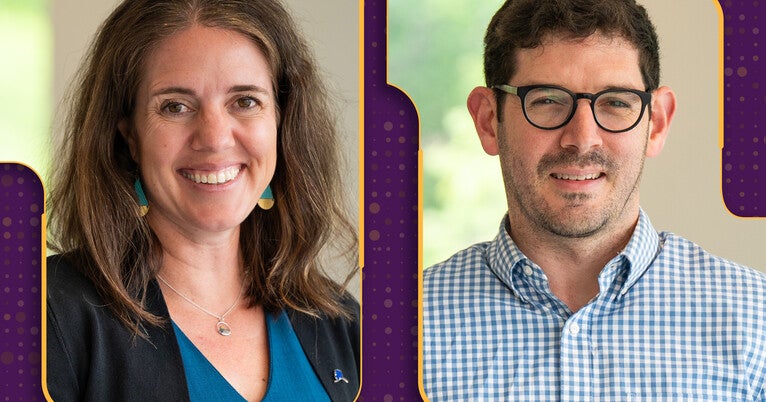
Women in medical science are witnessing a transformative era where the barriers that once defined their careers are gradually dissolving. This shift is not just anecdotal but is reflected in the personal stories of women like Dr. Faye Jordan, an emergency room doctor and researcher, who has observed these changes across generations in her own family.
Dr. Jordan’s journey in the medical field is marked by contrasts with her mother, Dell Yarham, who at 102 years old, represents a time when higher education was inaccessible to women. Although Yarham trained as a dental nurse, her career was abruptly halted when she became pregnant, a common fate for women of her era.
“There was just no opportunity… it just didn’t exist,” Dr. Jordan recalls of her mother’s experiences. “I’m staggered by some of her stories of how culturally different it was for women. It’s very different now.”
Breaking New Ground
Decades later, Dr. Jordan herself faced challenges when she decided to retrain in her mid-30s as an emergency room doctor while raising a young family. She became a pioneer in job-sharing at a major hospital, a practice that is now standard but was unheard of 23 years ago.
“It’s an amazing time to be part of that transformation as a woman in the field,” she reflects, highlighting the progress made in workplace flexibility.
This generational shift continues with Dr. Jordan’s daughters, who have pursued careers in medicine with fewer barriers. Stephanie Jordan, 32, is a general medicine surgeon, while Alexandra Jordan, 23, is in her final year of medical school. “My two daughters have had all of the options,” Dr. Jordan notes, though she acknowledges that some challenges remain in specific areas of medicine.
Progress and Remaining Challenges
Dr. Lisa Franks, a physiotherapist and heart-transplant researcher, echoes the sentiment of progress with caution. “We’ve come a long way in the last 10 years as females in research. We still have a way to go,” she says. Dr. Franks’ work, supported by a grant from the Prince Charles Hospital Foundation, focuses on improving care for transplant candidates, inspired by her early clinical experiences.
“It kind of started with seeing people on the ground, what they were going through and then wanting to improve their care,” she explains, while also managing the demands of motherhood and research.
“There’s certain challenges that you have to think about as a woman and as a mum in order to keep things progressing,” Dr. Franks says. “I agree, it is harder … we certainly have a bit to juggle.”
The Path Ahead
The stories of Dr. Jordan and Dr. Franks illustrate the broader changes happening in medical science. The barriers that once seemed insurmountable are being dismantled, offering new opportunities for women in the field. However, as both women acknowledge, the journey is not yet complete.
Their experiences highlight the importance of continued advocacy and support for women in science, ensuring that the progress made is sustained and expanded upon. As the landscape continues to evolve, the hope is that future generations will face even fewer obstacles, allowing them to fully realize their potential in the scientific community.