




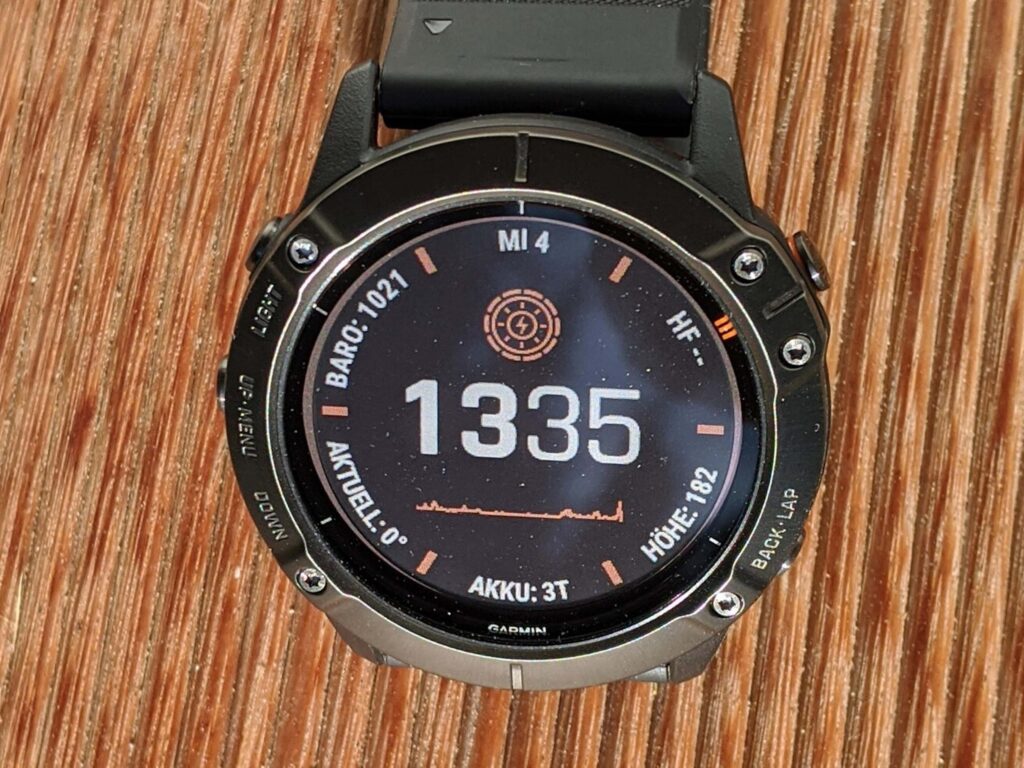
Garmin’s introduction of the Connect Plus subscription service has stirred debate among its user base. Launched as a premium offering, Connect Plus provides Garmin smartwatch owners with advanced features, many of which leverage artificial intelligence. This move has sparked criticism, as some users feel it disrupts an unspoken agreement between Garmin and its customers. Historically, Garmin’s smartwatches, though on the pricier side, have included a robust set of free features, including a comprehensive web interface for workout analysis.
Despite the backlash, Garmin Connect Plus appears to be gaining traction. The subscription offers a suite of features such as a diet-tracking food log, personalized AI-based recommendations, and a Performance Dashboard for custom chart creation. These enhancements are designed to enrich the user experience and provide more tailored health insights.
Understanding the Subscription Model
The introduction of Garmin Connect Plus is part of a broader strategy to expand Garmin’s recurring revenue streams. During a recent investor call, Garmin’s President and CEO, Cliff Pemble, addressed inquiries about the company’s focus on subscription services. Eric Woodring, an analyst, specifically questioned Garmin’s commitment to growing this aspect of its business model.
Pemble acknowledged the importance of expanding subscription revenue, noting that it is growing at a pace equal to or exceeding the overall business growth. However, he also admitted that subscriptions currently constitute less than 10% of Garmin’s total revenue. This figure suggests significant potential for growth, with Garmin Connect Plus likely playing a key role in this expansion.
The Broader Context of Subscription Services
Garmin’s move to introduce a subscription model follows a trend seen across various industries, where companies seek to establish steady revenue streams through recurring payments. This approach offers businesses predictability and the opportunity to continually enhance their offerings based on subscriber feedback.
In the tech world, subscription models have become increasingly common, with companies like Apple and Google offering similar services. These models are particularly appealing in the wearable tech sector, where ongoing updates and personalized features can significantly enhance user engagement and satisfaction.
Expert Opinions and Market Reactions
Industry experts have mixed views on Garmin’s strategy. Some argue that placing advanced features behind a paywall could alienate loyal customers who have already invested in high-end devices. Others believe that the added value provided by these features justifies the cost, especially for users seeking more in-depth health and fitness insights.
According to market analysts, the success of Garmin Connect Plus will largely depend on the perceived value of its offerings. If users find that the subscription significantly enhances their smartwatch experience, they may be more willing to embrace the change.
Looking Ahead: Implications for Garmin and Its Users
The success of Garmin Connect Plus could set a precedent for future product offerings. If the subscription model proves profitable, Garmin may continue to develop premium features exclusively for subscribers, potentially reshaping its product strategy.
For users, this shift represents a choice: to invest in a subscription for enhanced features or to rely on the existing free offerings. As Garmin continues to innovate, the balance between free and paid features will be crucial in maintaining customer satisfaction and loyalty.
Ultimately, Garmin’s foray into subscription services reflects a broader industry trend and highlights the evolving nature of the smartwatch market. As the company navigates this new terrain, its ability to adapt and meet consumer expectations will be key to its ongoing success.