


The Commonwealth of Australia is divesting 67 defence properties nationwide, including two significant sites in Perth: Irwin Barracks and Leeuwin Barracks. As Western Australia grapples with a severe housing crisis, the sale of these prime locations is seen as a potential relief. However, questions remain about the real impact of this sell-off on the housing market.
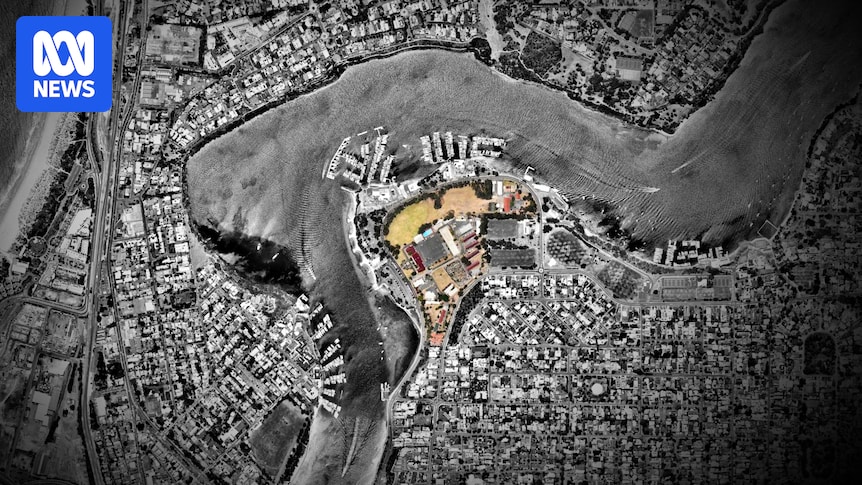
Irwin Barracks, located in Karrakatta, spans 61.5 hectares and is currently the state’s main Army Reserve base. It is set to relocate to Palmer Barracks in South Guildford, leaving behind a site that could accommodate thousands of residents. Meanwhile, Leeuwin Barracks in East Fremantle offers 14 hectares of land along the Swan River, ideal for housing a few hundred people. Both sites were deemed surplus to the Australian Defence Force’s (ADF) needs following an audit.
The Sale Process and Housing Prospects
The Department of Finance has already opened expressions of interest for these properties. Despite the potential for housing, Defence Minister Richard Marles and Finance Minister Katy Gallagher have been cautious about making promises. “It may be that some sites are suitable for housing,” Gallagher noted.
The property sector is optimistic. Nicola Brischetto, Executive Director of the Property Council WA, anticipates strong private sector interest due to the sites’ strategic locations and economic viability. Deputy Premier Rita Saffioti echoed this sentiment, describing the sites as “incredible pieces of real estate” and highlighting the need to consider local amenities, such as schools.
Challenges and Timelines
Assistant Defence Minister Peter Khalil expects most sites to be sold within two years. However, property analyst Gavin Hegney warns these are “decade-long projects” and urges the state government to provide clarity on development possibilities and infrastructure availability to avoid prolonged delays.
“We can actually have a whole range of housing on these sites because they are both blank canvases,” Hegney stated, suggesting that the government could mandate developers to include social or affordable housing.
While these sites offer some relief, they alone cannot resolve WA’s housing shortage. More comprehensive solutions will be necessary to meet the growing demand.
Financial Implications and Defence Investment
The sale of these properties is projected to generate approximately $3 billion, with $1.2 billion earmarked for site preparation and base upgrades. The remaining $1.8 billion will fund essential defence infrastructure and equipment for ADF personnel.
Significant investments are planned, including an $8 billion expansion of the HMAS Stirling naval base to support the AUKUS submarine program and bolster bases along Australia’s northern coastlines.
Matt Niikkula, Exmouth Shire President and Chair of the North West Defence Alliance, expressed enthusiasm for the announcement, emphasizing the strategic importance of the north-west coastline amid rising Indo-Pacific tensions. “Investment into existing infrastructure, new infrastructure, assets, and more defence personnel within the region will be greatly welcomed,” he said.
Strategic Defence Enhancements
While no major increase in personnel is planned, the focus will be on preparing infrastructure for rapid troop deployment. Dr. Troy Lee-Brown from the UWA Defence and Security Institute highlighted improvements such as runway enhancements, fuel storage, and mobile missile defence capabilities.
These developments underscore the dual objectives of addressing local housing needs and reinforcing national defence capabilities. As the sale process unfolds, stakeholders will closely watch the balance between these priorities and the long-term impact on Perth’s urban landscape.