


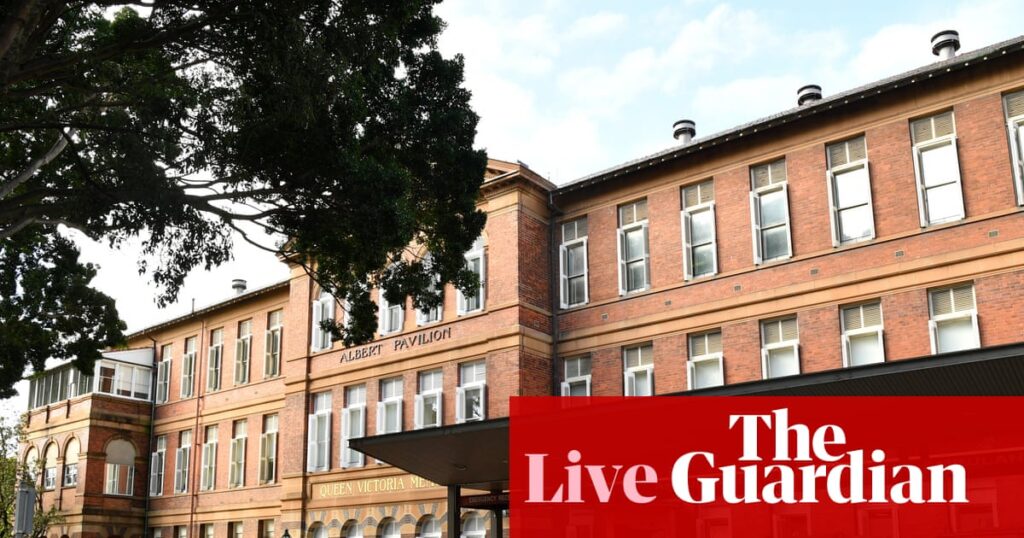
In a tragic turn of events, an outbreak of fungal infections at Sydney’s Royal Prince Alfred Hospital has resulted in the deaths of two patients, with four others affected. This incident has raised significant concerns about hospital safety and infection control, especially for immunocompromised patients.
The outbreak, which occurred between October and December, led to the temporary closure of the hospital’s transplant unit. The Sydney Local Health District (SLHD) has expressed condolences to the families of the deceased and is actively investigating the source of the infections. The common mould, aspergillus, known to thrive in soil, dust, and damp environments, is suspected to have been disturbed by ongoing construction work at the hospital.
Hospital Response and Safety Measures
In response to the outbreak, transplant inpatients were relocated within the hospital, and a comprehensive cleaning and air filtration upgrade was undertaken. The ward was reopened on February 9, following approval from a panel led by NSW’s Chief Health Officer, Dr. Kerry Chant. Air quality tests confirmed that aspergillus levels were no longer elevated.
SLHD has assured that at-risk outpatients were notified, although none reported symptoms. Some patients received antifungal medication as a precautionary measure. The hospital’s $940 million redevelopment, ongoing since 2023, is under scrutiny as a potential factor in the outbreak.
Perth Storms: Lightning Strikes Injure Three
Meanwhile, in Perth, three individuals sustained injuries from suspected lightning strikes during a severe storm. The incidents occurred in two separate locations, with a man in his 70s and two teenage students affected. Emergency services responded promptly, and all injured were transported to local hospitals for treatment.
Lightning strikes, though rare, pose significant risks during storms, highlighting the importance of public awareness and safety measures during severe weather conditions.
Broader Implications and Expert Insights
The fungal outbreak at Royal Prince Alfred Hospital underscores the vulnerabilities of healthcare facilities, particularly during large-scale construction projects. Experts emphasize the need for stringent infection control protocols and regular monitoring of air quality in hospitals.
“Fungal spores are ubiquitous in the environment, but their impact on immunocompromised individuals can be severe,” noted Dr. Helen Smith, an infectious disease specialist. “Hospitals must ensure that construction activities do not compromise patient safety.”
Additionally, the incidents in Perth serve as a reminder of the unpredictable nature of weather-related emergencies. Meteorologists stress the importance of staying informed about weather forecasts and taking appropriate precautions during storms.
Looking Forward: Preventive Measures and Public Awareness
As investigations continue into the Sydney hospital outbreak, there is a call for enhanced preventive measures and transparency in reporting such incidents. Public health officials are urged to develop comprehensive guidelines to mitigate risks associated with hospital construction projects.
In Perth, local authorities are working to improve public awareness about lightning safety, encouraging residents to seek shelter during storms and avoid open areas.
Both events highlight the critical need for preparedness and proactive measures in safeguarding public health and safety. As these stories unfold, the focus remains on learning from these incidents to prevent future occurrences.